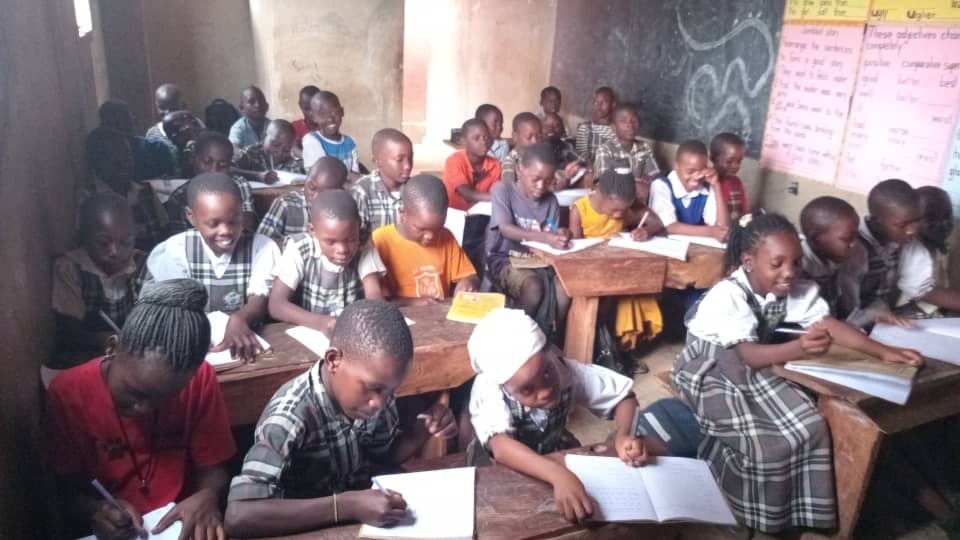
A Comparative Analysis of the Educational Needs of Underprivileged Children in Uganda and the USA: Insights from Nakaseke District, Uganda, and Underserved Communities in Chelsea, Massachusetts
Prepared by Peter Makumbi | Hult International Business School
Introduction
The most striking finding of this study is the significant disparity in access to essential educational resources between underprivileged children in Nakaseke District, Uganda, and underserved communities in Chelsea, Massachusetts, USA. The researchers discovered that while only 16.4% of Ugandan students had consistent access to textbooks, a substantial portion (22.1%) of students reported never having textbooks, a situation that significantly impedes learning. This challenge was compounded by limited access to digital tools, with only 8.2% of Ugandan students having daily access to computers or tablets, in stark contrast to 19.6% in the USA. These findings underscore the need for urgent interventions to improve access to both traditional and digital learning resources in Uganda.
Access to Educational Resources
The researchers found that access to educational resources is a critical issue for Ugandan students. With only 16.4% of students consistently having access to textbooks and an alarming 22.1% rarely or never having them, the lack of resources severely hampers learning. In comparison, 28.7% of Ugandan students report having “often” access to textbooks, but this is still far from sufficient. The study also found that only 8.2% of Ugandan students have regular access to computers, a stark contrast to the 19.6% of students in the U.S. who do. Furthermore, the study revealed that only 6.6% of Ugandan classrooms have reliable internet access, further exacerbating the digital divide. The study highlighted the significant infrastructure issues in Uganda, with 32.8% of students rating school infrastructure as poor, and nearly a third of students reporting that there are barely enough teachers.
Comparing the Quality of Education
The researchers found that the quality of education in Uganda is hindered by several factors, including lower teacher qualifications and larger student-to-teacher ratios. Only 8.2% of Ugandan teachers have a master’s degree, compared to 21.7% in the USA. The researchers discovered that Ugandan schools also face challenges with teacher training and curriculum alignment, with only 4.1% of Ugandan schools reporting full alignment with national guidelines. The limited professional development opportunities for teachers in Uganda (8.2% receiving frequent training) contribute to the challenges in adapting to new educational methods. These factors, along with infrequent learning assessments (32.8% of Ugandan schools conduct them rarely or not at all), create significant barriers to academic achievement in Uganda.
Socio-Economic Challenges Affecting Educational Opportunities
The study found that socio-economic challenges, such as financial hardship, food insecurity, and limited access to healthcare, are more prevalent in Uganda. In Uganda, 32.8% of students frequently miss school due to financial difficulties, while only 5.4% of U.S. students face the same issue. Additionally, only 16.4% of Ugandan students receive both breakfast and lunch at school, compared to 65.2% of students in the U.S., which impacts their concentration and academic performance. The researchers found that health issues are more prevalent in Uganda, with 24.6% of students reporting high health challenges, compared to just 5.4% in the U.S. These socio-economic factors exacerbate the barriers to education in Uganda and highlight the need for interventions that address food insecurity, healthcare access, and financial support.
Role of Government and Non-Governmental Support Programs

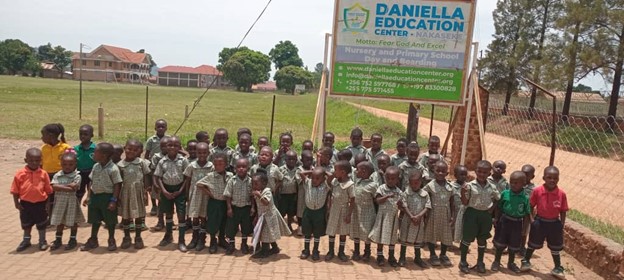
The researchers discovered that government and non-governmental support programs are more robust in the U.S. than in Uganda. In Uganda, only 8.2% of respondents reported receiving several government-funded educational programs, while 34.4% noted no support at all. In contrast, 32.6% of U.S. respondents reported receiving multiple forms of government support. The study also found that Ugandans reported less effectiveness from NGOs in providing educational resources, with only 4.1% rating them as very effective, compared to 27.2% in the U.S. These findings underscore the importance of increasing government investment and NGO involvement in Uganda’s education system to bridge the resource gap.
Conclusion
In conclusion, the study highlighted significant disparities between the educational experiences of underprivileged children in Nakaseke District, Uganda, and underserved communities in Chelsea, Massachusetts. While both regions face challenges in access to resources and educational quality, these issues are more pronounced in Uganda, where socio-economic barriers and inadequate infrastructure limit students’ academic potential. The researchers emphasized the need for collaborative efforts between governments, NGOs, and international stakeholders to improve educational access, quality, and socio-economic conditions in both regions.
Recommendations
To address the disparities found in the study, the researchers recommended strengthening partnerships between technology firms, NGOs, and governments to provide affordable digital tools and improve access to learning resources in Nakaseke District. Additionally, they suggested enhancing teacher training programs through collaborations with U.S. institutions to ensure that educators in Uganda have access to modern teaching methodologies and professional development. The study also called for infrastructure improvements in Uganda’s schools, targeted scholarships, and expanded healthcare access to help address the socio-economic barriers that hinder students’ learning.
Prepared by: Peter Makumbi
Email: [email protected]
Phone number: +1 (978) 330-0828
Hult International Business School
If you would like your article/opinion to be published on Uganda’s most authoritative news platform, send your submission on: [email protected]. You can also follow DailyExpress on WhatsApp and on Twitter (X) for realtime updates.