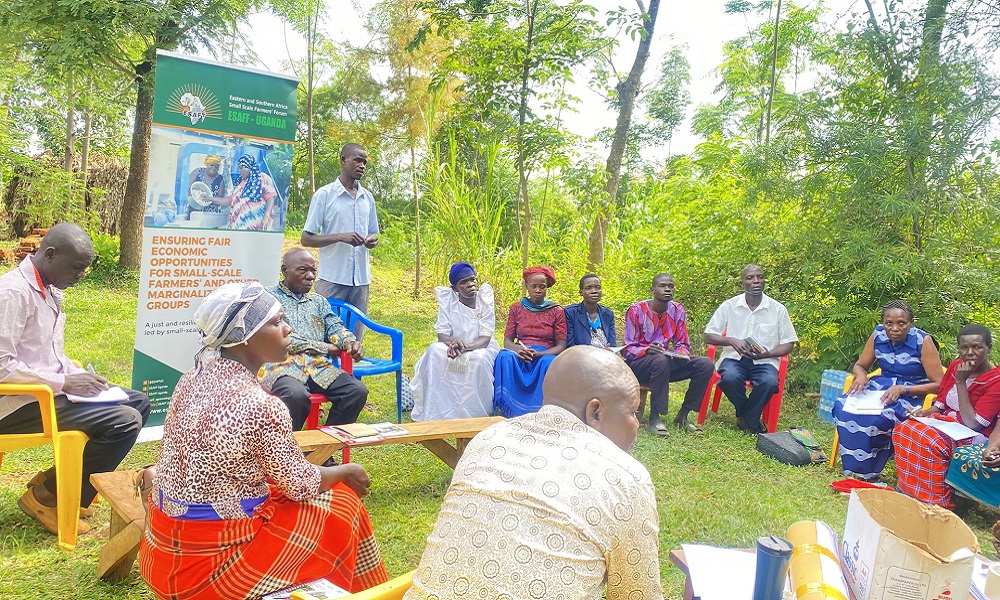
Kampala, Uganda: As communities across Africa grapple with a deepening crisis of food safety and insecurity, a growing chorus of voices have warned that current policy frameworks on agricultural transformation are falling dangerously short.
The very future of the continent’s food systems hangs in the balance, as experts highlight a pressing need to rethink and reimagine solutions that can truly nourish both people and planet.
These frameworks, among others, include the Comprehensive Africa Agriculture Development Programme (CAADP) Strategy and Action Plan (2026–2035), and Uganda’s National Development Plan IV (NDP IV, 2025–2030).
Crafted, among other aims, to transform agriculture and spur economic growth, their promise of renewed political commitment and ambitious targets exposes deep misalignments with the realities of smallholder farmers, women, youth, and the urgent need for sustainability.
CAADP’s 2026–2035 Strategy, reinforced by the Kampala Declaration of January 2025, proclaims a vision of agri-food transformation but barely scratches the surface of agroecology, food sovereignty, and grassroots inclusion.
Despite the rhetoric of resilience and inclusivity, the strategy remains tethered to a production-centric model, prioritizing yields and export potential over ecological balance and local empowerment, which has ignited alarm among nutritionists and conservationists.
Ronald Bagaga, Programs Coordinator at Eastern and Southern Africa Small Scale Farmers Forum (ESAFF Uganda), wonders how sustainable food systems can be achieved without tackling the threats to thriving ecosystems.
“Our strategic plan is looking at sustainable food systems led by small-scale farmers, but the January Kampala declaration distances itself from agroecology and food sovereignty. That disconnect threatens real transformation,” he says.
Similarly, NDP IV (2025–2030), which is on the cusp of being implemented, articulates a grand goal: “Achieve higher household incomes, full economic monetization, and employment for sustainable socio-economic transformation.” Its core objectives, enhancing production and productivity across agriculture, industry, minerals, oil & gas, tourism, ICT, and financial services, paint a picture of an economy racing towards modernization. But for small-scale farmers, this vision rings hollow.
After years of consultations, the architects of these policy frameworks have overlooked the lives lost to nutrition-related diseases caused by conventional food production methods. These frameworks fail to address the crisis of chronic toxicity resulting from the continued use of Highly Hazardous Pesticides (HHPs) in crop production, chemicals that are gradually rendering Africa’s soils unproductive. There is no provision within the frameworks to address soil and animal health, which are fundamental pillars of sustainable agriculture.

This oversight is not only self-defeating but also deeply troubling, as many of the same policymakers behind these frameworks are the ones authorizing the importation and use of HHPs on African farms, pesticides that are already banned in Europe.
As Hilal Elver, the UN Special Rapporteur on the Right to Food, pointed out: “The WHO and FAO have identified HHPs as a major risk due to acute and chronic toxicity, environmental persistence, and adverse effects on beneficial organisms. Shockingly, 95% of pesticide-related poisonings occur in low-income countries because these chemicals remain unbanned.”
Stella Rose Akutui, Programs Officer- Research and Policy at ESAFF Uganda notes that the frameworks overlook local needs and urges all stakeholders to engage with policy makers at all levels.

“True resilience comes from participation, joining cooperatives, attending local planning meetings, leveraging programs like PDM for training and inputs, and holding duty bearers accountable. Policies must favor those who till the land,” She says.
Civil Society Organizations Rush to Intervene
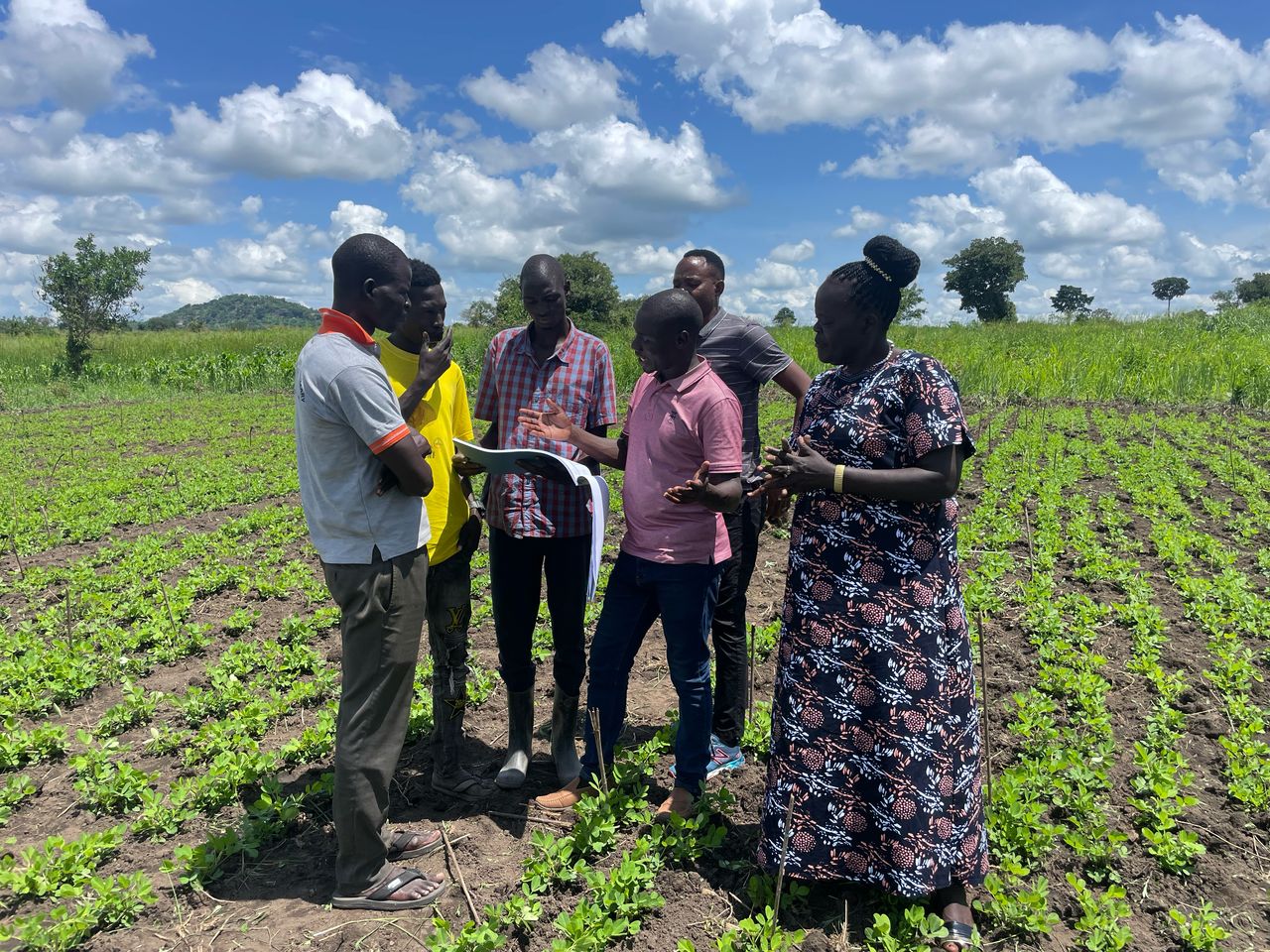
A number of Civil Society Organizations (CSOs) are racing against time to educate communities that food security is not merely about quantity, but also about safety and quality. Organizations such as ESAFF Uganda, PELUM Uganda, the Alliance for Food Sovereignty in Africa (AFSA), and many others are actively engaged in grassroots awareness campaigns.
These initiatives emphasize the importance of consuming organically grown food and promote agroecology, a farming approach that ensures food safety, ecological balance, and resilience.
For instance, ESAFF Uganda, through its Vision 2033, is committed to building a vibrant, inclusive, and sustainable agricultural system grounded in agroecology, food sovereignty, and resilience. It places a strong focus on empowering women, youth, and smallholder farmers, promoting a bottom-up development model.
Haakim Baliraine, the National Chairperson for ESAFF Uganda, says there is still a ray of hope and another door can be opened for Agroecology to be explicitly included in these frameworks through dialogue.
“It’s not too late or too early, it’s now. We need to engage the National CAADP focal person through MAAIF to develop a National Agrifood System Investment Plan that truly embodies agroecology and grassroots priorities. The time for half-measures is over.”
If you would like your article/opinion to be published on Uganda’s most authoritative news platform, send your submission on: [email protected]. You can also follow DailyExpress on WhatsApp and on Twitter (X) for realtime updates.