
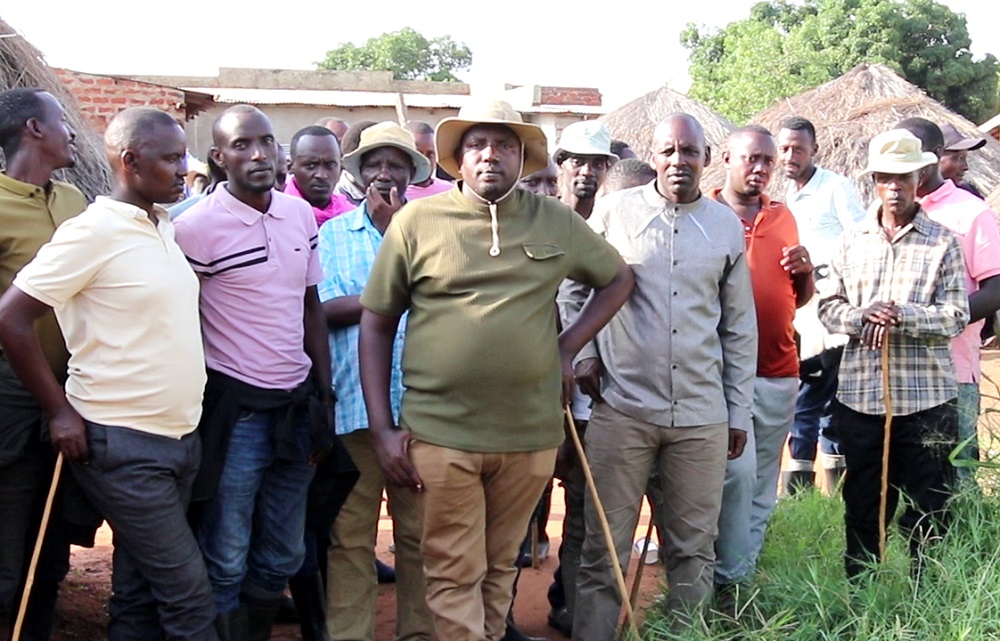
Amuru, Uganda: Balalo herdsmen in the Acholi sub-region have appealed to President Yoweri Kaguta Museveni to reconsider his Executive Order No.2 directing their eviction from northern Uganda, calling it discriminatory and harmful to their livelihoods.
Speaking to DailyExpress in Okidi Parish, Atiak Sub-county, Amuru District, several herdsmen and residents described the eviction directive as “selective and inhuman,” accusing some local leaders of inflaming tribal sentiments for political gain.
Katonka Bestwell, a herdsman from Kiryandongo who settled in Amuru four years ago, said he moved to the area after being invited by an Acholi friend, Komakech, with whom he had previously lived in Bunyoro. Katonka said he was shocked that their presence was now being politicized.
“I came here in good faith. We are all Ugandans and the law allows us to live and work anywhere in the country. I was shocked that tribal politics is now pushing the President to evict us,” he said.
Katonka, who turned to cattle keeping after failing to find formal employment, believes his presence is not only lawful but also economically productive. “We want to contribute to the local economy just like any other Ugandan,” he added.
Christine Abalo, a resident of Okidi, defended the Balalo, saying many had integrated into the local community through marriage and long-term settlement. “Some of them have married here. They have children here. Chasing them is like chasing our own children and wives,” Abalo said.
She dismissed accusations that the Balalo had illegally acquired land, noting that many residents had willingly sold or leased out their land.
“You cannot sell something and later claim you were cheated,” she argued, calling on government to investigate on a case-by-case basis rather than issuing blanket eviction orders.
Abalo said the herdsmen had brought tangible benefits to the area, including local revenue, employment opportunities, and even a boost in school enrollment.

“If they leave, we will feel it. Let’s not politicize everything,” she warned, adding that unfair treatment of the Balalo could set a dangerous national precedent. “What if other regions start mistreating Acholi people living there?”
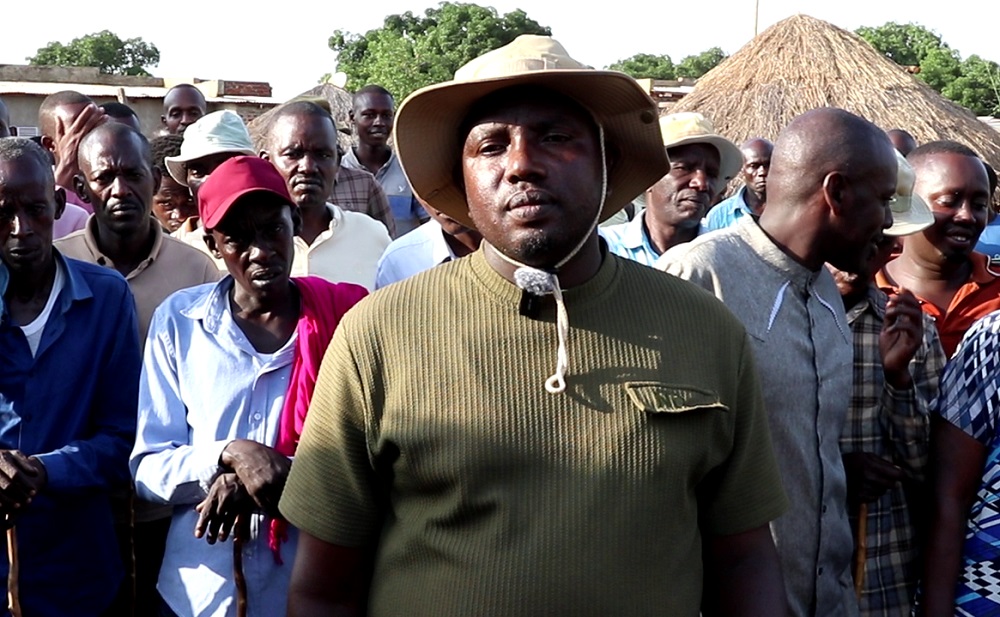
Mixed Reactions
Acan Mary, 55, said the Balalo had reignited interest in cattle rearing among Acholi families, a tradition many had abandoned in the 1980s due to Karamojong raids. “This eviction order is denying us the chance to revive our culture and economy,” Acan said.

Oyella Jane, 53, said she sold part of her land to a Balalo herdsman to raise school fees and start a small business. “The government sent us home from IDP camps with nothing. What did they expect us to do?” she asked.
According to Oyella, her buyer respected land boundaries, fenced his farm, and drilled water points, adding, “We’ve had no issues,” though she admitted concerns remained over the Balalo’s reluctance to integrate socially.
“They buy from their own people, not local shops. That means money doesn’t circulate within the community,” she said.
Ociti Julius, LC1 chairperson of Okidi North village, said while there had been minor complaints about stray animals damaging gardens, they had been resolved amicably. “There’s no major conflict. But I advise them to keep animals secure and socialize better,” he said.
Katonka said many herders had invested in water infrastructure and encouraged others to comply with regulations. “We don’t want conflict. We want to live in harmony,” he said.
But Abalo Christine urged the Balalo to respect local customs. “Only then can people trust and accept them. Respect is a two-way street,” she said.
As pressure mounts over the Executive Order, many in Acholi are now urging the government to distinguish between law-abiding settlers and illegal actors, calling for peaceful coexistence and a rejection of tribal politics.
If you would like your article/opinion to be published on Uganda’s most authoritative news platform, send your submission on: [email protected]. You can also follow DailyExpress on WhatsApp and on Twitter (X) for realtime updates.