Kampala, Uganda: In the rural communities of Uganda, where the soil should nurture hope and prosperity, it has instead become a battleground, fractured by greed, shadowed by injustice, and soaked in the tears of the dispossessed.
Land, once the pride of heritage and livelihood, now stands at the center of a storm that threatens to uproot the very foundation of Uganda’s socio-economic transformation. For over a decade, land conflicts have spread like wildfire across communities, leaving in their wake broken homes, blood-stained fields, and a trail of biting poverty and displacement.
What should be a blessing has become a curse, fuelling hunger, malnutrition, and environmental degradation, while silently chipping away at national unity.
Yet, amid the chaos, a movement is rising, determined, defiant, and rooted in the power of collective action. Government, recognizing the gravity of the crisis, rolled out initiatives from land inquiry committees to people-centred investigations aimed at protecting the ordinary citizen from land grabs by the powerful and wealthy. But this battle is too big to fight alone.
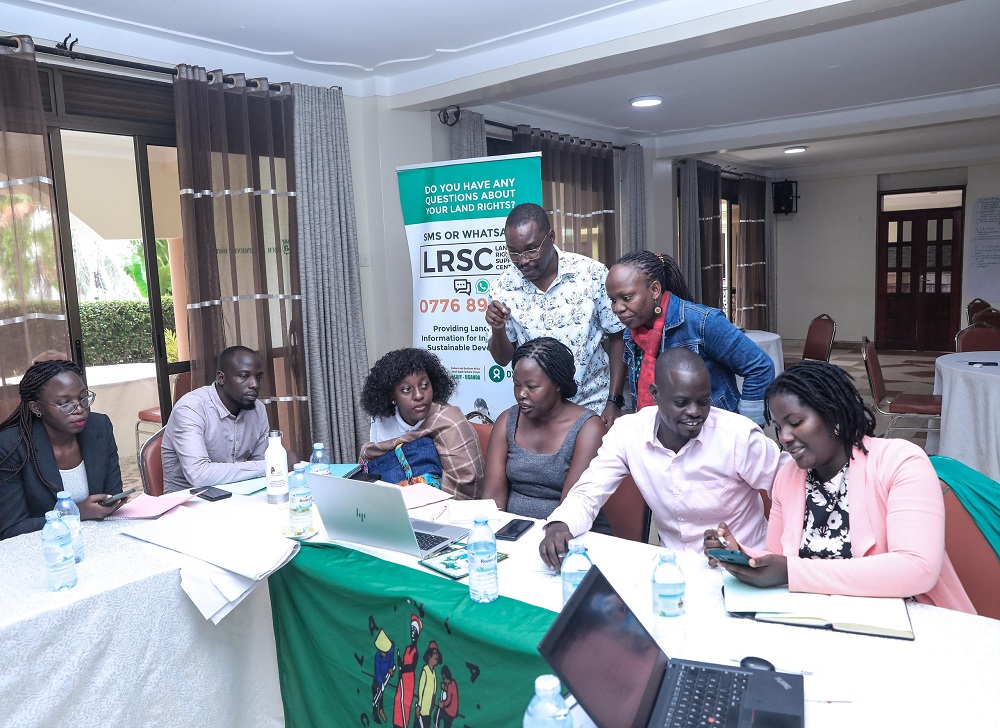
Joining hands with the state are bold and tireless civil society organizations (CSOs) championing the cause of the voiceless. Among them, the Eastern and Southern Africa Small Scale Farmers Forum (ESAFF Uganda), in partnership with Oxfam in Uganda and allies, has launched a powerful initiative, a Movement Building Training on Land Rights and Responsible Land Governance.
Bringing together movement leaders, grassroots defenders, and policy influencers, this high-stakes training is designed to sharpen voices, amplify urgency, and forge a united front against the cancer of land injustice. It offers more than skills; it builds a community of purpose—one that trades fear for courage, silence for strategy, and helplessness for hope.
Together, they are sowing the seeds of justice in every village, cultivating peace across borders, and reclaiming land not just as property, but as a birthright, a legacy, and a pathway to a more equitable Uganda.
Most rural Ugandans have long stood defenceless in the face of land-related threats, be it encroachment by powerful elites or forced evictions. With little recourse and nowhere to turn, many have watched helplessly as the soil beneath their feet was stripped away, their ancestral claims ignored, and their livelihoods dismantled.
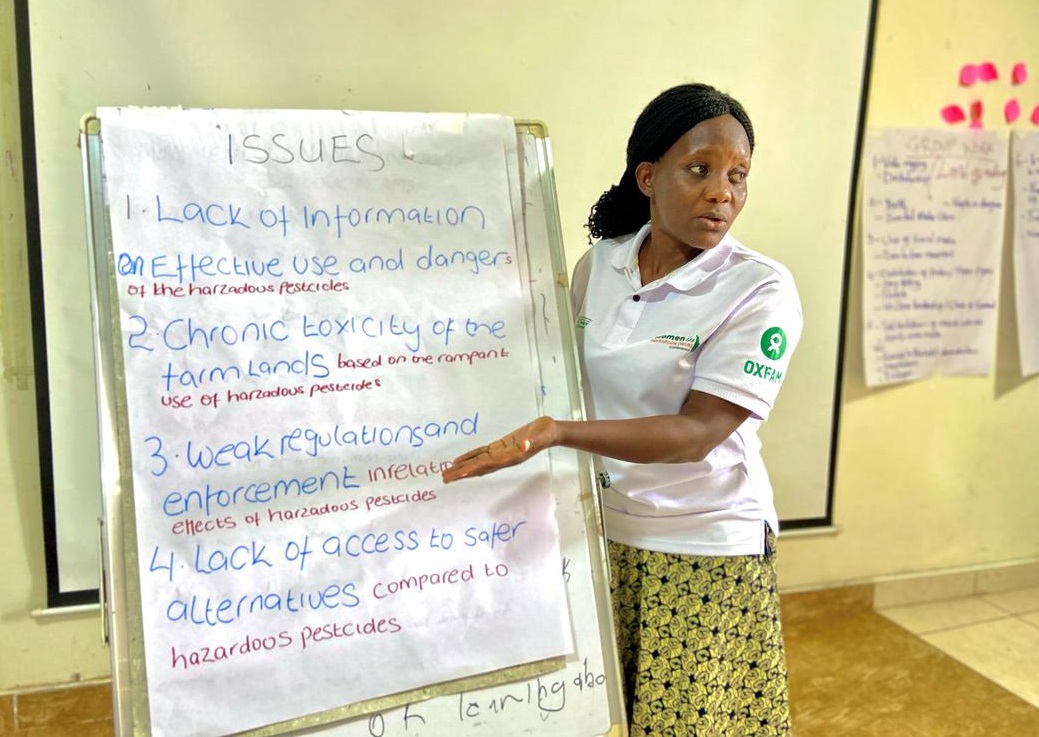
Through this training, these once-silent voices are being sharpened into instruments of advocacy. The training’s core mission is clear: to cultivate grassroots ambassadors, men and women who will return to their villages armed not with weapons, but with knowledge, courage, and the collective will to organize.
By fanning the flames of movement building and mass mobilization, ESAFF Uganda envisions a nationwide surge for tenure security, especially for smallholder farmers, those unsung heroes who till the land, feed the nation, yet remain most vulnerable to land injustice.
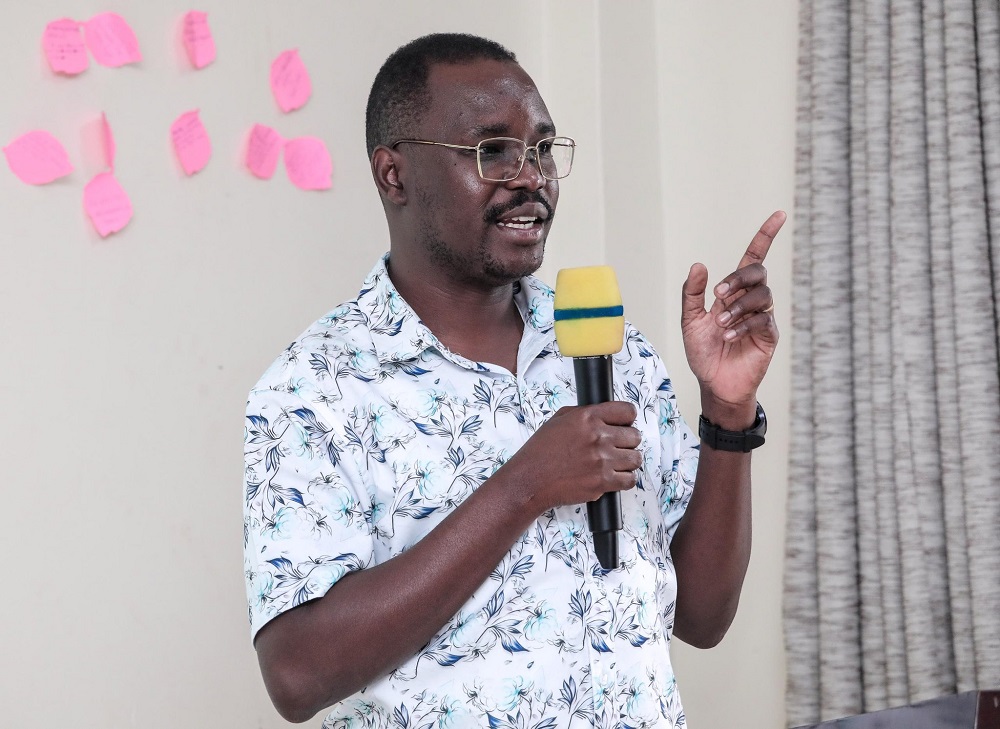
While addressing participants at the training, Jimmy Ochom, the Land Rights Coordinator at Oxfam in Uganda, captured the essence of the crisis and the urgency of action.
He said, “Communities in rural areas are suffering from displacement, often driven by the government’s need to allocate land for investment purposes. Government views land as a valuable resource that can help propel Uganda toward middle-income status through industrialization, mass production, and infrastructure development.”
“As investments increase in Uganda, so do displacements, because government seeks to make as much land as possible available to investors. If land eviction is the issue at hand, then it must be addressed head-on. Therefore, through what we are learning today, we need to call on people, mobilize crowds, to raise their voices and speak out against such injustices.”

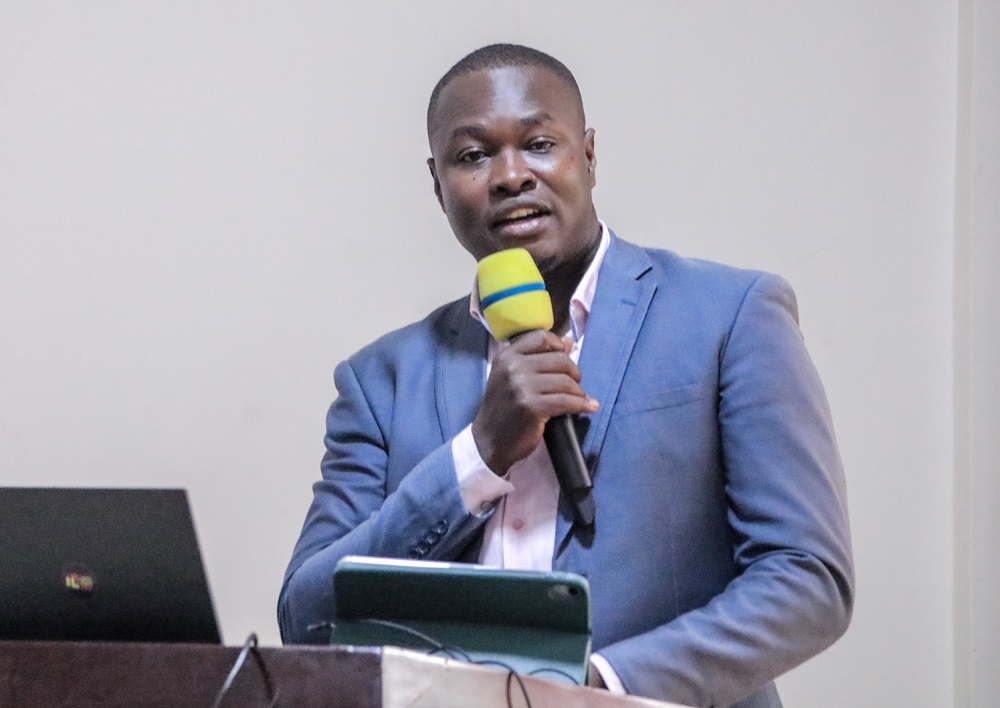
Ronald Bagaga, the Programs Manager at ESAFF Uganda, offered a powerful reminder that the struggle for land is far more profound than the demarcation of boundaries; it is a battle for dignity, equity, and transformation. For Bagaga, access to land is not simply a policy issue or a passing campaign—it is the lifeblood of social justice, the cornerstone of survival for millions, and the front line in the fight against entrenched poverty and inequality.
“Securing access to land is not just a movement,” Bagaga said, “It is a question of justice, fighting inequalities and poverty. It is about building power, rooted in knowledge, solidarity, and collective action. We are working together in solidarity to make sure that responsible land governance is advanced.”
Trainees Rise to Lead the Charge Against Land Justice
Through this training, participants vowed to become torchbearers of movements, ready to return to their communities as guardians of land justice and vanguards of collective action.

Among them stood Cekecan James Apoy, LCIII Chairperson of Warr Subcounty in Zombo District, whose passion to lead was unmistakable. With the energy of newly awakened purpose, he pledged to rally every local leader in his district to not only talk about land rights but to actively engage and educate the people.
For instance, in Ajere hills, Jangokoro, Okoro County, Zombo district, a storm has been brewing since 2021, when the Uganda People’s Defence Forces (UPDF) occupied communal land without warning, consultation, or compensation. What followed was a tide of displacement and the destruction of property.
The hills, once a source of heritage and grazing land, had become a symbol of exclusion and powerlessness. Yet the people did not remain silent. Now, armed with the knowledge and tools from the training, Cekecan has made it clear—this matter cannot be swept aside.
“When I go back,” he said with conviction, “I will sit down with the people of Ajere community and also call in the stakeholders such as the RDCs, LCs, and other community members from that place. We will see how they can seek redress, be duly involved, and compensated.”
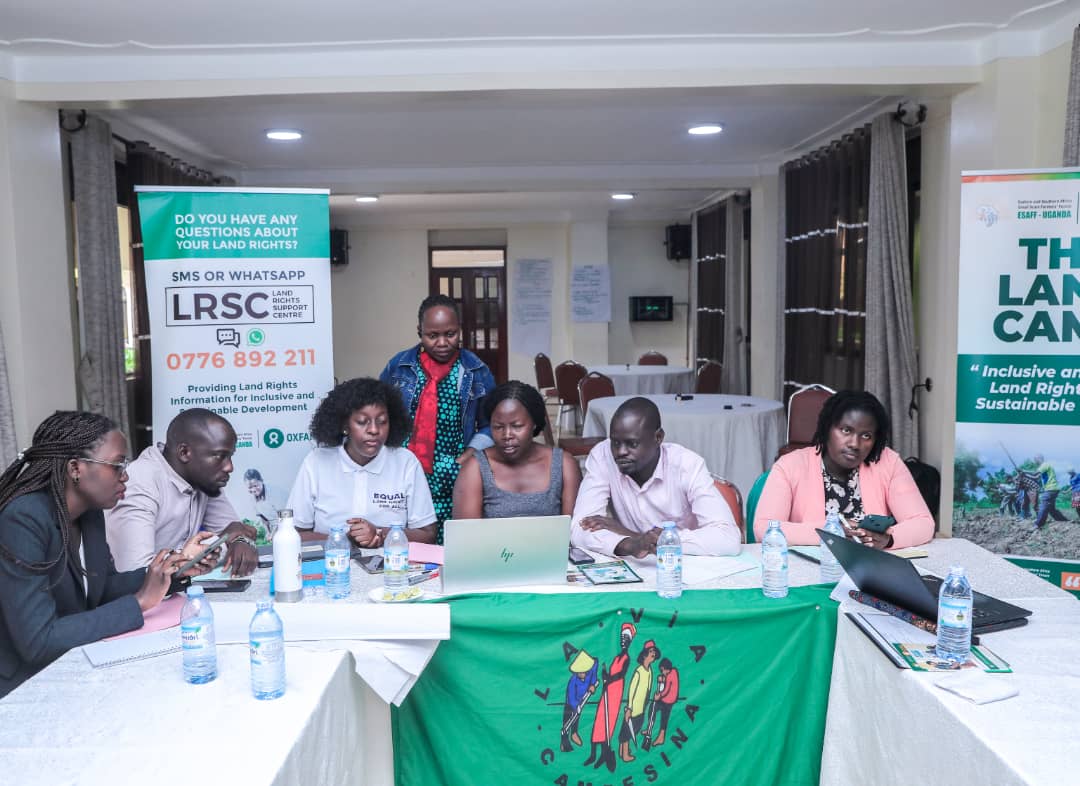
From Zombo to Abim district, the cry for justice is the same. Ojangole Abraham, a small-scale farmer from Kumi District, echoed the urgency for inclusive policy-making and community-driven change. For him, the issue lies not only in the occupation of land but in the exclusion of the very people who depend on it for survival.
He pointed to an incident in Moru ALokwangat village, Opopongo Subcounty, Abim district, where the Uganda Wildlife Authority (UWA) claims that more than 780 locals encroached on the area game reserve. These were evicted between 2019 and 2021, losing their property and crops, which were destroyed without compensation. Among those evicted were some of his family members, yet they had been living on the land long before it was handed over to UWA.
“With this training, I will mobilize these people to come together such that they are able to send a message to the government to intervene and solve this issue,” he declared.
From petitions to public forums, from mobilization to mass advocacy, a new chapter is unfolding—one where farmers, leaders, and local voices rise as one. They are no longer pleading to be heard; they are demanding to be counted.
And with every voice raised, every meeting called, every injustice confronted, they inch closer to a future where land is not a source of pain, but a pillar of peace, prosperity, and people’s power.
If you would like your article/opinion to be published on Uganda’s most authoritative news platform, send your submission on: [email protected]. You can also follow DailyExpress on WhatsApp and on Twitter (X) for realtime updates.