
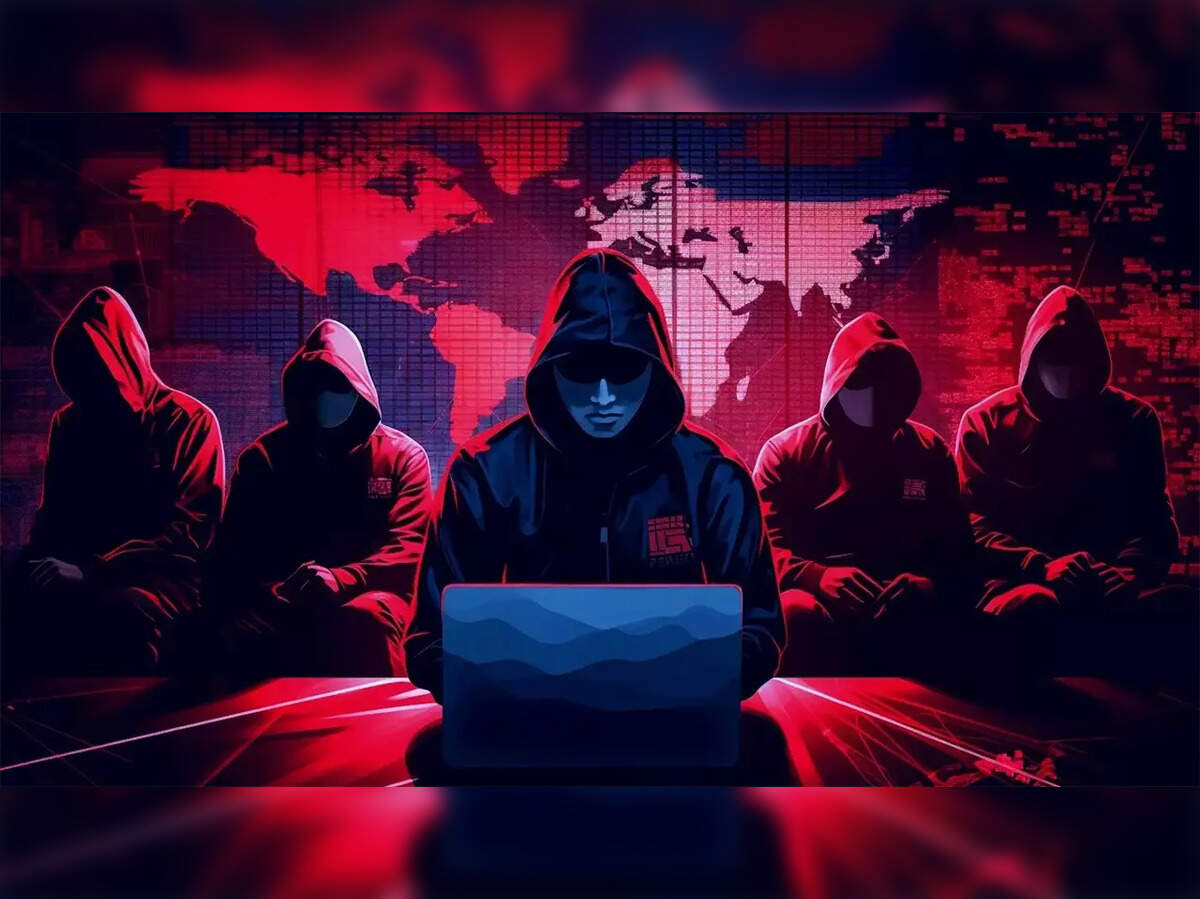
San Francisco, USA: A recent wave of sophisticated scams driven by artificial intelligence is raising alarm among cybersecurity experts, with new techniques like deepfake voice messages, AI-personalized phishing, and digital impersonation now making fraud more convincing and dangerous than ever.
This warning comes just days after U.S. authorities blocked $15 billion worth of healthcare fraud, exposing a growing ecosystem of organized cybercrime using advanced technologies to exploit unsuspecting individuals.
Experts at Webshare.io, a data proxy and cybersecurity solutions firm, have broken down ten modern scam techniques and how users can protect themselves.
1. AI-Powered Deepfake Scams
Experts say scammers now use AI to mimic voices or faces of loved ones by harvesting content from social media platforms. These deepfakes are used to trick victims into sending money or personal information.
Safety Tip: Ask the caller questions only your real friend or family member would know. If the answers don’t add up, it’s likely a scam.
2. Gift Card Fraud
Fraudsters target victims with gift card requests that appear to come from trusted contacts, especially around peak shopping periods. Once the codes are shared, the cards are immediately redeemed.
Safety Tip: Never send gift card codes over phone or email unless you’ve verified the request personally.
3. Vishing (Voice Phishing)
In vishing attacks, scammers impersonate bank or government officials to report “suspicious activity” and rush victims into disclosing PINs or account details.
Safety Tip: Hang up and call the official institution back using verified numbers. No legit agency will request sensitive info via phone.
4. Smishing (SMS Phishing)
Scammers use fake delivery or banking texts to steal login credentials or install malware on your phone.
Safety Tip: Avoid clicking on suspicious links. Always verify message sources, especially those requesting urgent action.
5. Clone Phishing

This method involves copying real emails, such as receipts or newsletters, but replacing their links or attachments with malicious versions.
Safety Tip: Always check the sender’s full email address and hover over links before clicking. When unsure, reach out directly to the organization.
6. Social Media Phishing
Hackers create fake profiles or hack real ones to send DMs posing as giveaways, emergencies, or offers from popular influencers.
Safety Tip: Avoid clicking on unsolicited messages and verify with the actual person via other means.
7. Man-in-the-Middle (MitM) Attacks
When users connect to public Wi-Fi, hackers can intercept passwords, emails, or banking details.
Safety Tip: Use VPNs and avoid accessing sensitive accounts on public Wi-Fi. Look for secure websites that start with https://.

8. Ransomware
This involves locking files or devices and demanding payment to regain access, often through deceptive links or downloads.
Safety Tip: Back up files offline regularly and never open unknown attachments or links. If infected, report to authorities and seek professional help.
9. DNS Spoofing
Scammers redirect users from legitimate websites to fake ones to steal login credentials or banking details.
Safety Tip: Always double-check website URLs. Use DNS-protection software and bookmark official sites.
10. Fake Job Offers
Criminals advertise fake jobs online to gather personal information or upfront payments.
Safety Tip: Research the employer, check their official website, and confirm job listings with legitimate recruiters before sharing any data or money.
Why It Matters?
Justas B., Head of Marketing at Webshare, says AI is now a key driver in these scams: “AI is changing how scammers operate, making their attacks more personal and harder to spot. They use tools to mimic voices, create fake videos, or send messages that seem to come from trusted contacts.”
Justus warns users to be especially cautious with any request for credit card CVVs, passwords, or passport details, and to verify unusual communications, even from family, by asking specific private questions.
“It’s now easier than ever to fall for a scam, whether it’s a text from a friend asking for help or a gift card offer from a favorite store. Staying alert is important, as these scams can lead to serious financial losses,” he added.
This article is based on findings and insights from Webshare.io (https://www.webshare.io/)
If you would like your article/opinion to be published on Uganda’s most authoritative news platform, send your submission on: [email protected]. You can also follow DailyExpress on WhatsApp and on Twitter (X) for realtime updates.