

Kampala, Uganda: The Government of Uganda launched a new Technical Vocational Education and Training (TVET) Council and supporting Assessment Boards as part of a nationwide overhaul of the vocational education system aimed at equipping Ugandans with practical skills for the modern job market.
The reforms were unveiled last Friday, July 04, at State House Nakasero, where the First Lady and Minister of Education and Sports, Janet Kataaha Museveni, officiated the inauguration of the TVET Council, hailed as a major turning point in Uganda’s journey towards a skills-driven, innovation-oriented economy.
“This is more than a policy move. TVET is vital for preparing our people for a rapidly changing job market,” said Mrs. Museveni, noting the council’s role in aligning Uganda’s training ecosystem with national development priorities and SDG 4 on quality education.
The TVET reforms follow the enactment of the TVET Act 2025, which mandates systemic changes to ensure that vocational training becomes more inclusive, industry-aligned, and responsive to economic trends.
Kagina to Chair New TVET Council
The new TVET National Council, chaired by Allen Kagina, is tasked with driving policy oversight, licensing of private training institutions, quality assurance, and strategic financing across Uganda’s TVET sector.
Other members of the council include:
- Sikander Lalani – Steel industry magnate
- Douglas Opio – Executive Director, Federation of Uganda Employers
- Eng. Ziria Tibalwa Waako – CEO, Electricity Regulatory Authority
- Dr. Tonny Tumwesigye – Executive Director, UCMB
- Jean Byamugisha – CEO, Uganda Hotel Owners Association
- Diriisa Ssekitoleko – TVET advocate and instructor


Accompanying the council are the newly inaugurated TVET Assessment Boards, which will ensure national standardization of training curricula, skills certification, and quality benchmarking for both local and international recognition.
“This reform ensures we’re not just preparing students for jobs, but equipping them to create them,” said one education official during the event, which brought together government, private sector, and development partners.

Emphasis on Employability, Industry Linkages
With Uganda’s youth population projected to double by 2040, the new TVET framework focuses on employability, innovation, and entrepreneurship, especially in high-potential fields like technology, construction, agribusiness, and manufacturing.
Under the restructured system; training institutions will forge direct partnerships with employers, innovation hubs will be prioritized in regional centers, iural, female, and vulnerable learners will be given special access while teachers will undergo continuous capacity building and retooling.
However, several stakeholders, including institutional heads and employers’ groups, emphasized the need for sustained investment in infrastructure, modern tools, and trainer development if the reform is to yield long-term results.
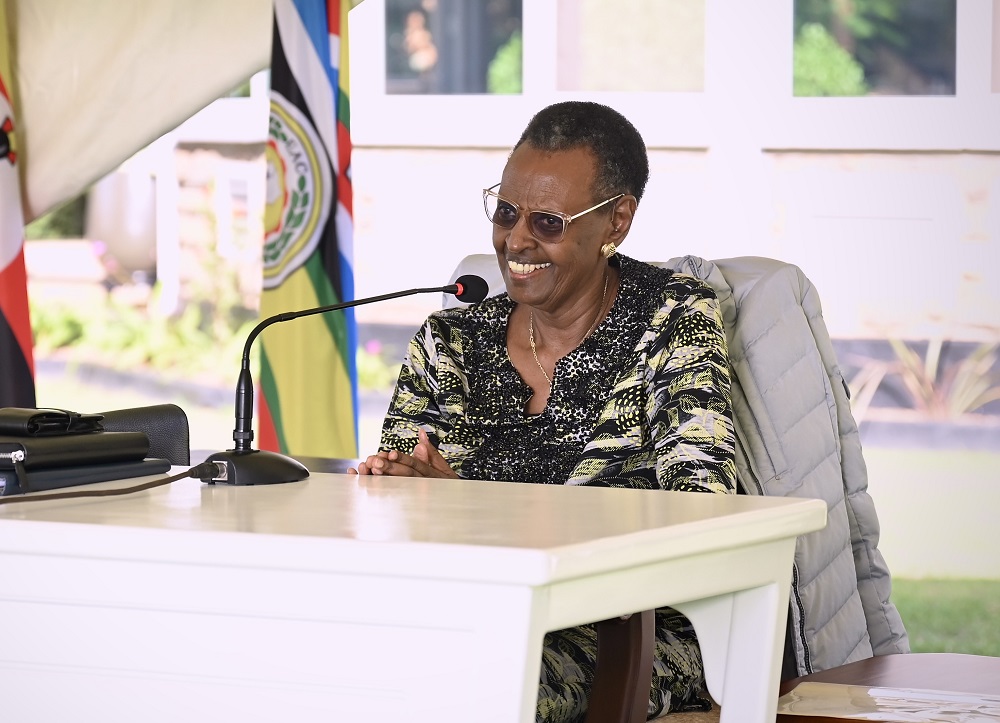
The First Lady called on all education and industry stakeholders to collaborate closely and maintain accountability, saying: “Let us work together to make vocational education not just an alternative, but a first choice for the young people of Uganda.”
If you would like your article/opinion to be published on Uganda’s most authoritative news platform, send your submission on: [email protected]. You can also follow DailyExpress on WhatsApp and on Twitter (X) for realtime updates.