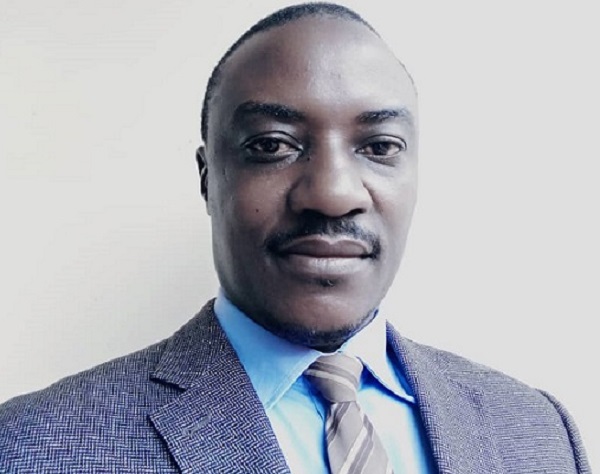
By Denis Muteguya
Uganda is once again in an election cycle, and with it comes a familiar pattern that has defined our politics for far too long. Citizens begin raising the same concerns about poor service delivery bad roads, broken health centers, lack of clean water, failed youth programs but they seem to forget that these very problems are born from their own choices at the ballot box. The harsh truth is that many voters knowingly trade their votes for a few thousand shillings, a piece of soap, a kilo of sugar, or a bottle of alcohol, and in doing so, compromise their future.
The cycle is painful yet predictable. During campaigns, candidates go door-to-door, not selling their ideas or policies, but distributing handouts. In return, they secure votes, not because they’re the best suited to lead, but because they “facilitated” voters. What many don’t realize is that this small amount of money comes with a heavy price tag. That five thousand shillings you received isn’t just a token of appreciation it’s a binding contract that silences you for five years. You’ve essentially told the candidate, “Take this seat and do as you please.”
And what happens when that candidate wins? They enter office with a financial deficit. Their first priority isn’t to serve you it’s to recover the money they spent. Politics becomes a business investment, not a platform for public service. So while you struggle with poor roads and under-equipped schools, your MP is busy pursuing personal deals to balance his or her books. This is how corruption is birthed not in State House, but at the village level, when voters sell their power for peanuts.
President Yoweri Kaguta Museveni has often warned against voting for leaders who are ideologically bankrupt those who lack vision, policy understanding, and the political maturity needed to transform society. Unfortunately, his warnings often fall on deaf ears. Many Ugandans continue to vote based on emotion, tribal loyalty, or short-term personal gain rather than assessing the values and ideas a leader stands for.
The result? A parliament full of people who say nothing, do nothing, and stand for nothing. Some spend five years in Parliament without ever speaking on the floor. Others have no clue what laws are being passed, nor do they monitor how government programs are being implemented in their constituencies.

Now here’s the irony: the same citizens who complain daily about lack of development are the ones who turn around and cheer loudest when candidates dish out money during campaigns. It’s like buying fake medicine and then complaining about not getting healed. You knew it wasn’t genuine from the beginning, but you swallowed it anyway. Why then are we surprised when we keep getting the same results?
This is where reverse psychology comes in. If a candidate is freely giving out money during campaigns, maybe you should be suspicious not impressed. Maybe that’s a red flag, not a sign of generosity. Ask yourself: Why is this person spending so much money just to serve me? Are they buying power or offering leadership? A serious leader should be campaigning on their vision, their track record, their ability to stand up for the people not on how many notes they can distribute.

Ugandans must come to terms with a simple but uncomfortable truth: we are not victims of bad leaders we are the creators of those bad leaders. By voting emotionally, carelessly, or selfishly, we open the door to our own misery. Every time we accept money in exchange for our votes, we are signing away our rights to complain about poor service delivery. And until we change how we vote, nothing else will change.
There’s still hope, though. Voter education must move beyond just telling people how to vote, and begin challenging why they vote the way they do. Leaders who genuinely care about the country must be supported, even if they don’t come with envelopes or freebies. As a nation, we must shift from transactional politics to transformational politics. That means voting for character, competence, and vision not for survival money.
To the Ugandan voter: your vote is your power. Don’t sell it. Don’t waste it. Use it wisely. The leader you choose today will determine whether your child studies in a classroom or under a tree. Whether you get treated in a hospital or die on a waiting bench. Whether your road leads to progress or keeps you trapped in poverty.
Ugandans must stop blaming politicians while refusing to fix their own voting behavior. The mirror must be turned inward. Only then can we break the cycle. Only then can we finally say: we have learnt something and forgotten nothing.
If you would like your article/opinion to be published on Uganda’s most authoritative news platform, send your submission on: [email protected]. You can also follow DailyExpress on WhatsApp and on Twitter (X) for realtime updates.