Mbale, Uganda: School gangs in Mbale have grown into a dangerous, well-organised underworld operating within our education system. Our recent findings at the Bamasaaba Cultural Institution reveal that 98% of school gang members in the city are actively using drugs and other prohibited narcotic substances. The threat is real, and the consequences are unfolding before our eyes.
A gang, by definition, is an organised group whose members engage in criminal activity. In Mbale’s school environment, these groups now have established leadership structures, reporting lines, initiation rituals, and coded identifiers. They take oaths before their leaders, perform rituals to bond them to their crews, and use violence, humiliation, and intimidation to dominate both peers and communities.
Many of these students come from broken homes or live as street beggars when not in school. I have personally witnessed children, in school uniform, approach people on the streets begging for money to buy drugs. When they are not robbing, they’re high on substances that erode their reasoning and amplify their aggression.
In gang operations, new recruits—called novices—are often deployed for missions like robbery while senior members lurk nearby to monitor. If the novice is overpowered or caught, reinforcements intervene. Loot must be surrendered to the group’s leaders, and failure to do so often results in violent punishment—even death.
What is driving this wave? The root causes are disturbingly common: poverty, broken family systems, peer pressure, and an alarming moral breakdown in homes. Some students steal simply to afford a flashy phone or to impress a girl by arriving at school on a motorbike. Others do it for acceptance into these outlaw cliques.
The cultural deviance theory is alive and well—students are increasingly aligning themselves to subcultures that defy both national law and our cherished Bamasaaba values. Disturbingly, some parents have chosen silence when their children bring home phones worth over UGX 2 million or start skipping school with no accountability.
As a cultural institution, we have taken action. Our Cultural Intelligence Desk is compiling data, and we are conducting awareness drives in schools across Masaabaland. One recent case involved the fatal stabbing of a student by a gang member from a rival school. Police have since picked up suspects from Nkoma SS and Mbale Progressive, and if proven guilty, they must face the full force of the law.

Gang members operate under the influence—drugs, alcohol, and now radicalisation. Their brains are suffocated, their conscience deadened. I recently visited Mbale psychiatric ward and found a disturbing number of school learners undergoing rehabilitation for drug-related mental breakdowns. Many show little sign of recovery.
We are now lobbying local governments across Bugisu to enact a regional by-law to criminalise gangism in schools and impose stricter penalties on drug distribution among minors. Cultural education must return to classrooms, and students must be taught the value of discipline, honour, and lawful living.

Gangs don’t stop at school gates. Their fights spill into communities, where stones, pangas, and knives are used in deadly street brawls. In one recent case, villagers had to intervene when rival school gangs descended on a trading centre, leaving a child critically injured after being hit with a rock.
Let’s be clear: both boys and girls are involved. Just recently, a girl slapped a teacher in one school. In another case, a girl reportedly killed her boyfriend in western Uganda and is now on the run. These are acts of gangsterism, not rebellion.
As spokesperson of the Bamasaaba Cultural Institution, I issue this clarion call to learners, parents, and leaders: we must act. Schools must enforce policies. Parents must hold their children accountable. And our learners must know—Uganda’s laws are clear and unforgiving when it comes to crimes like robbery, drug abuse, defilement, and murder. You will rot in jail for even a simple crime.
Let’s work together. Let’s protect our schools, our children, and the future of Bugisu.
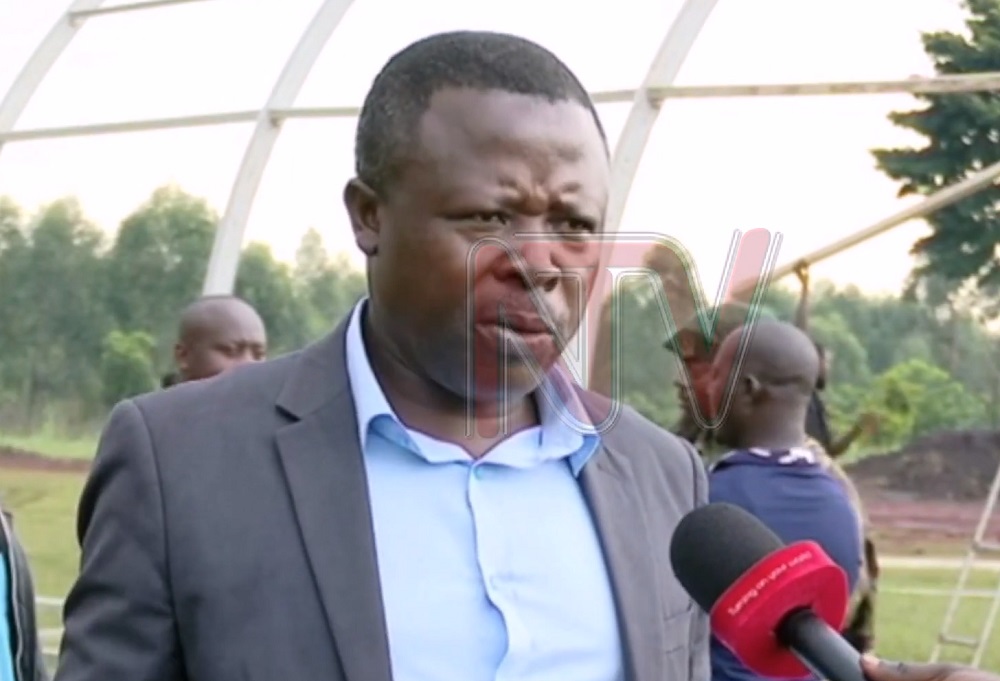
Steven Masiga is the Spokesperson of the Bamasaaba Cultural Institution.
If you would like your article/opinion to be published on Uganda’s most authoritative news platform, send your submission on: [email protected]. You can also follow DailyExpress on WhatsApp and on Twitter (X) for realtime updates.