
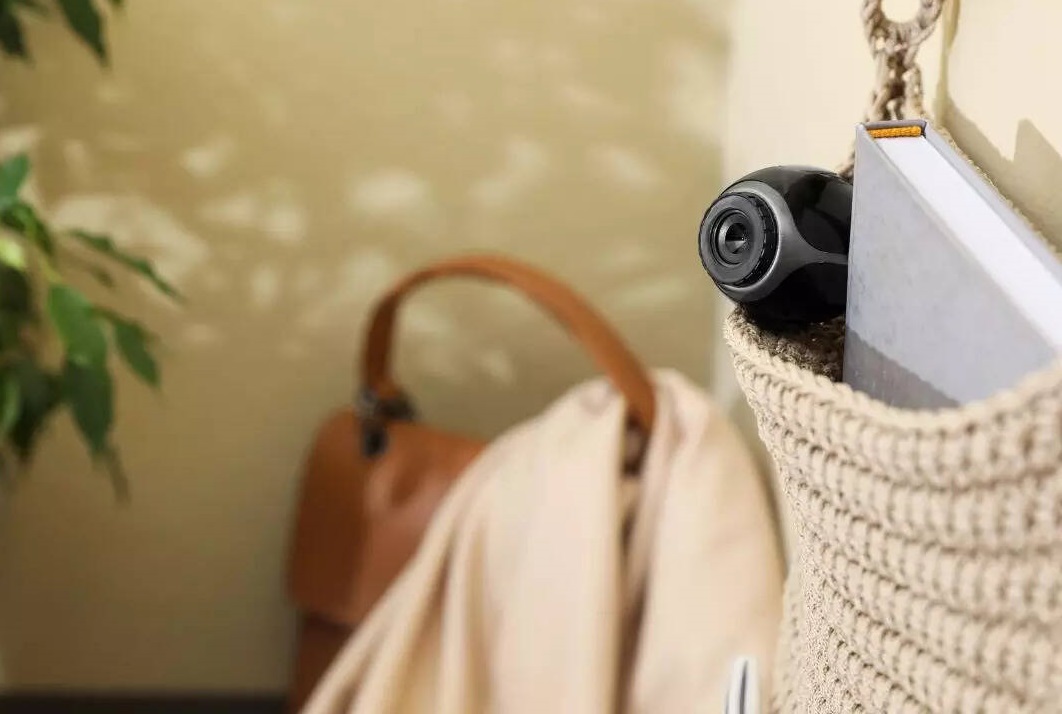
Kampala, Uganda: As Uganda’s tourism and Airbnb market booms, a growing number of travelers and homeowners are raising alarms over the threat of hidden surveillance cameras embedded in accommodations and personal spaces.
The rising availability of miniature, Wi-Fi-enabled spy cameras has sparked fresh concerns about privacy breaches in hotel rooms, rental homes, and even private residences. Fortunately, your smartphone holds powerful tools to help you detect such devices, no professional equipment needed – here’s how!
Light It Up: The Torchlight Reflection Test
Start by turning off any lights in the room and activating your phone’s torch. Sweep the beam slowly across the space. Even the tiniest camera lenses can catch the light and reflect it, revealing their hiding spots. Keep an eye out for bright spots nestled within smoke detectors, decorative pieces, electrical outlets, or other gadgets. A stronger reflection from a singular point may hint at a hidden camera lens lurking just out of sight.
Infrared Illumination Detection with Selfie Cameras
Your smartphone’s front-facing camera may be more useful than you think! In a dimly lit room, switch to the selfie camera mode. This camera is often sensitive to infrared light, which is commonly emitted by cameras equipped with night-vision capabilities. Look for small white or purple dots on your screen that indicate the presence of infrared LEDs.
Network Scanning: Identifying Unrecognized Devices
Many hidden cameras connect to local Wi-Fi networks for easy remote access. Download network-scanning apps like Fing or Net Analyzer to identify all devices connected to the network. Scrutinize the list for unfamiliar names or generic devices labeled simply as ‘Camera’ or ‘IPC’. If something looks suspicious, investigate the likely source in the room.
Bluetooth Discovery: Scanning for Wireless Surveillance
Some hidden cameras use Bluetooth to transmit data. Use a Bluetooth scanning app to uncover any broadcasting devices in your vicinity. Conduct a thorough scan in each room, noting any unknown devices, and move closer to determine the strongest signal to discover its location.
Physical Inspection: The Common Hiding Places

No detection strategy is complete without a physical inspection. Check common hiding spots meticulously:
- Smoke Detectors & Air Vents: Safely remove covers and inspect for concealed lenses or wiring.
- Wall Clocks & Picture Frames: Look for irregularities in shape, loose wiring, or unexpected bulk.
- Lamps & Electrical Outlets: Investigate any unfamiliar cables or USB leads that don’t belong to the device.
- Bookshelves & Soft Furnishings: Search behind books, cushions, and decorative items for hidden units.
Radio-Frequency (RF) Detection Techniques
Although specialized RF detectors are the most reliable for uncovering spy cameras, basic RF detector apps can also monitor ambient radio frequencies. Walk around the room and pay attention for spikes in radio noise, which might indicate the presence of an active transmitter.
Electronic Noise: Listen Closely

In a quiet environment, keep your ears open for subtle clicks or sounds made by autofocus mechanisms or stabilizers. Although many modern micro-cameras operate silently, older or less expensive models might still give away their location through faint electronic noises.
Routine Home Sweeps: Regular Checks for Peace of Mind
For homeowners concerned about their privacy, it’s wise to schedule regular checks. Combine the torch reflection and infrared detection techniques at least once a month in sensitive areas like bedrooms and bathrooms. Also, keep track of all devices on your home network, promptly investigating or removing any unrecognizable entries.
Advanced Detection Options for Security-Conscious Individuals
For frequent travelers or those particularly serious about security, consider investing in portable camera-detection devices. These gadgets typically integrate various detection methods, including IR scanning and RF analysis, into a user-friendly unit. Additionally, thermal-imaging attachments for smartphones can help you spot hidden devices by detecting heat signatures through walls or inside objects.
Conclusion: Empowering Your Privacy
While no single method guarantees the detection of every covert camera, employing a layered approach, utilizing torchlight reflections, infrared checks, network and Bluetooth scans, physical inspections, and RF monitoring, can significantly increase your chances of spotting hidden surveillance devices using just your smartphone and careful observation.
By routinely practicing these techniques, you can confidently safeguard your privacy in any hotel, holiday inn, or home across Uganda. Travel safe and always be aware!
If you would like your article/opinion to be published on Uganda’s most authoritative news platform, send your submission on: [email protected]. You can also follow DailyExpress on WhatsApp and on Twitter (X) for realtime updates.