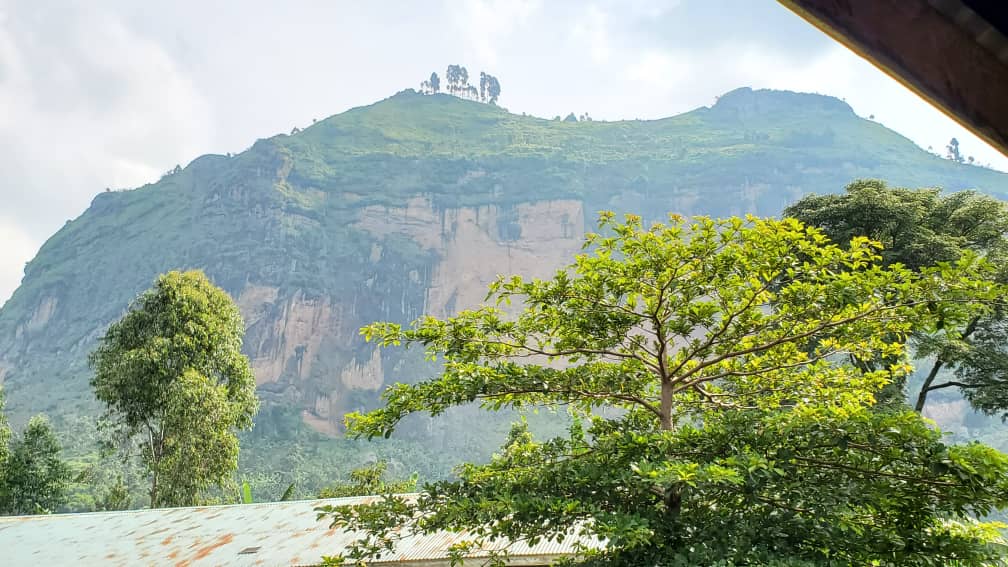
Ancient tools linked to Masaba, the Bamasaaba ancestor, promise to unlock the mysteries of early settlement and heritage in Masaabaland, with significant implications for tourism and cultural preservation.
Mbale, Uganda – The recent unearthing of ancient agricultural tools believed to be over 800 years old, linked to Masaba—the great ancestor of the Bamasaaba people—is set to boost tourism and historical interest in Masaabaland.
Archaeological evidence such as hoes, pottery, and other artifacts are opening new avenues for research into the origins of the Bamasaaba community. The discovery offers a unique opportunity to delve into longstanding debates about the first Umumasaba—whether it was Mundu and Seera or Masaba and Nabarwa—whose histories have long been shrouded in conflicting oral traditions.
The Bamasaaba people are estimated to have settled in the region roughly 700 years ago, with migration timelines pointing to around 1400 AD, though these dates remain unverified. Experts believe that detailed archaeological investigations focusing on tools, jewelry, stone walls, and burial customs will provide clearer answers about their early lifestyle and migration patterns.
A critical area of research involves understanding Masaba’s marital ties—did he marry from neighboring tribes, and what were the cultural customs around dowry and family formation at the time? Early Bamasaaba settlements reportedly avoided lowlands due to dangerous wildlife, favoring elevated areas such as Makukye in Bududa and Bukalasi, where the presence of marauding animals was less threatening.

The Bugisu Cultural Institution plans to collaborate with reputable archaeologists to identify significant sites linked to the earliest Bamasaaba settlements. Once excavations are complete, artifacts and remains will be displayed at the Bugisu Cultural Museum, enhancing the region’s cultural heritage tourism potential, especially in Mbale city.
“This is a vital step in uncovering the real story of our ancestors. Understanding their tools, attire, burial practices, and way of life will not only enrich our knowledge but also place Masaabaland on the tourism map,” a spokesperson for the cultural institution said.

Historians generally agree that the Bantu migrations into present-day Uganda occurred in groups, but archaeological findings are expected to shed light on whether the Bamasaaba originated from Bududa, Sironko, or Mbale. Other questions to be answered include their diet, physical stature, burial traditions, and how these evolved into the practices observed today.
The cultural institution stresses that such scientific investigations should have commenced “as soon as yesterday” to preserve and document the rich legacy of the first Umumasaba.
If you would like your article/opinion to be published on Uganda’s most authoritative news platform, send your submission on: [email protected]. You can also follow DailyExpress on WhatsApp and on Twitter (X) for realtime updates.