
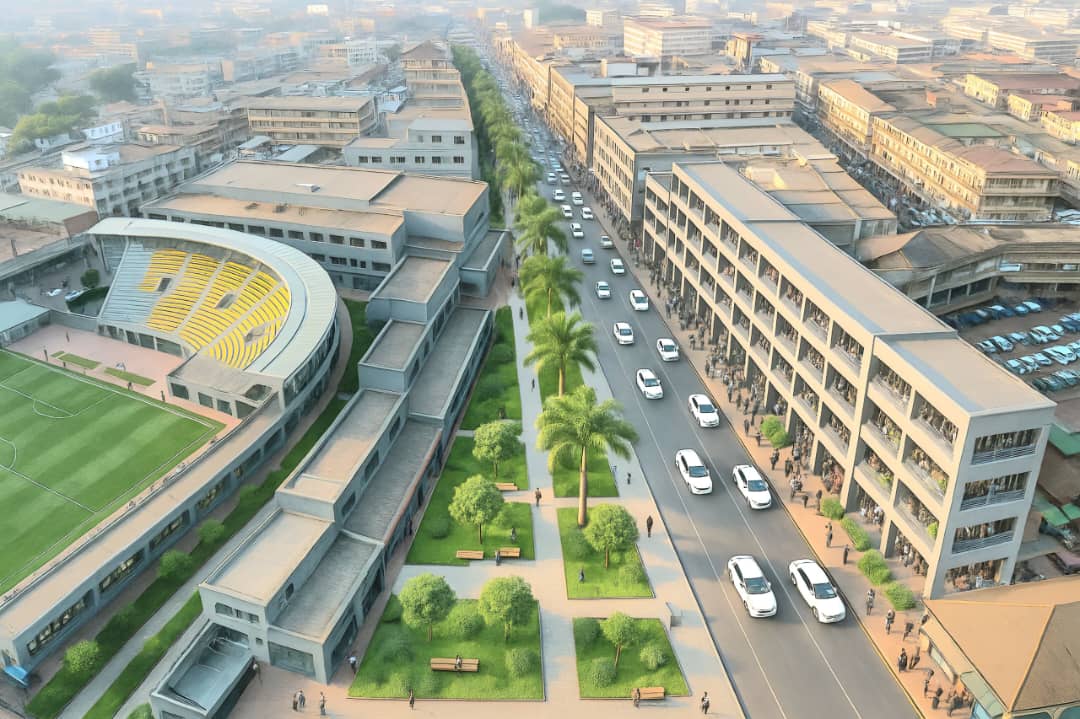
When complete, the redeveloped Nakivubo Channel will feature underground flood-control chambers, solid waste filtration systems, pedestrian walkways, and green public spaces.
Kampala, Uganda: The redevelopment of Nakivubo Channel, Kampala’s most pressing urban drainage challenge, has gained fresh momentum through a partnership between businessman Dr. Hamis Kiggundu (Ham), Kampala Capital City Authority (KCCA), and guidance from CAF and CHAN inspection teams.
For decades, the channel has been a source of flooding, pollution, and public safety hazards. Now, it is being transformed into a modern, eco-friendly corridor expected to safeguard the city from floods and redefine the capital’s urban landscape ahead of Uganda’s hosting of the Africa Cup of Nations (AFCON) in 2027.
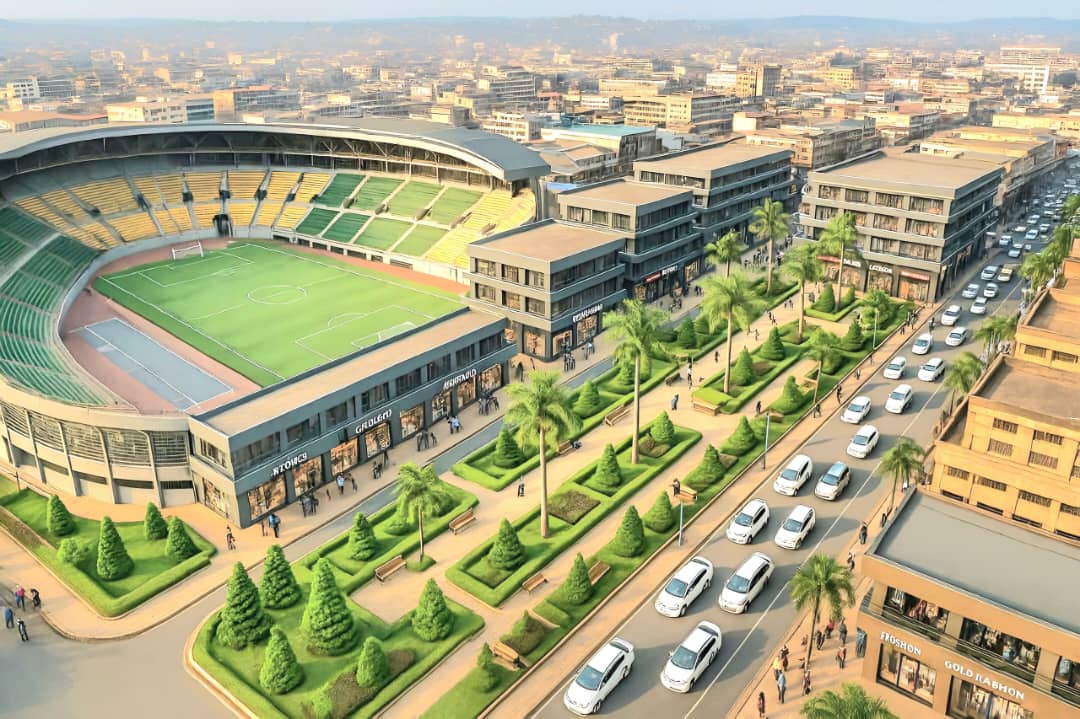
CAF officials, during recent inspection visits, commended the progress around the project, noting that upgrading Nakivubo Channel to international standards is critical to Kampala’s readiness for Africa’s biggest football tournament. Their recommendations have guided implementation to meet both environmental and infrastructural benchmarks.
KCCA has also aligned the redevelopment with the city’s broader drainage masterplan, with a senior official noting that collaboration between public institutions and private investors is “exactly what Kampala needs to solve long-standing urban challenges.”
Tycoon Ham, who is financing the upgrade, described the project as both a national duty and a legacy investment. “Nakivubo Channel has been a source of floods, insecurity and loss of life for too long. This redevelopment is about giving Kampala a clean, safe and modern drainage system. It’s a responsibility we owe our people, and a statement that Uganda is ready for the future,” he said.

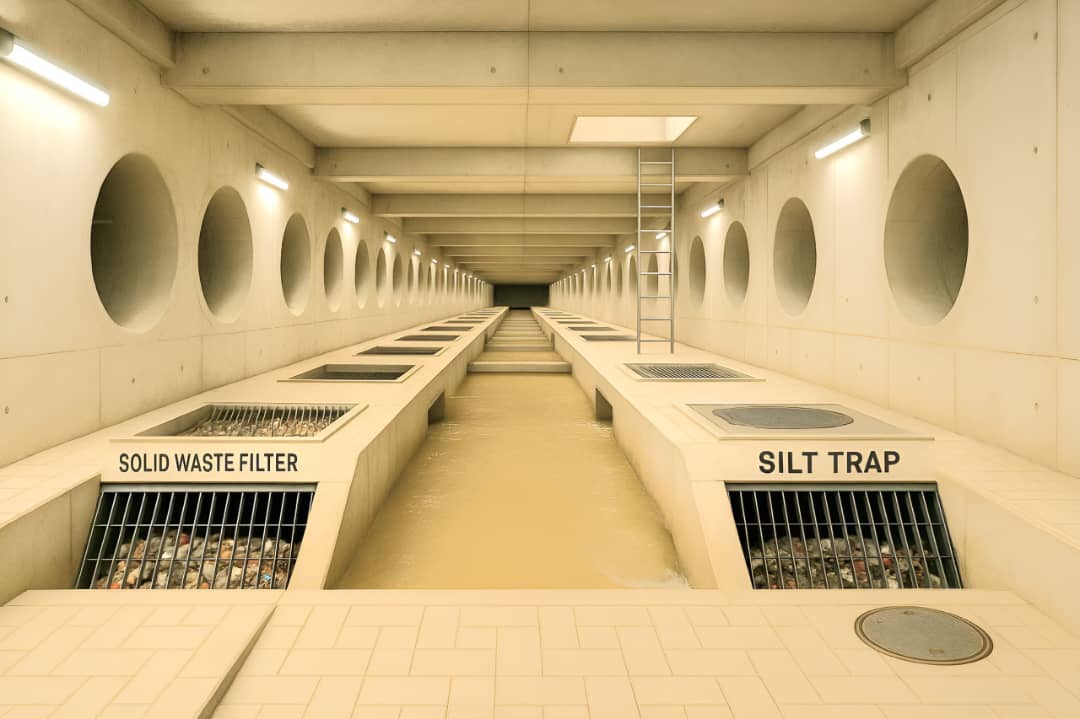
When complete, the redeveloped Nakivubo Channel will feature underground flood-control chambers, solid waste filtration systems, pedestrian walkways, and green public spaces. It is projected to transform what was once an urban scar into a showcase of smart city design, boosting both business and tourism.
The project has been hailed as a model of self-driven development, relying on local investment rather than foreign aid.

However, the initiative has faced opposition from Lord Mayor Erias Lukwago, who recently criticized Kiggundu for allegedly blocking drainage channels, blaming him for flooding crises. Lukwago’s stance appears misguided, as the project aims to enhance, not hinder, the channel’s functionality.

Experts argue that Lukwago’s focus on a single development overlooks broader issues like widespread encroachment and inadequate infrastructure elsewhere, such as at Garden City and Hotel Africana.
The redevelopment promises to mitigate flooding, improve sanitation, and boost economic activity, potentially positioning Kampala as a smart city. Despite political hurdles, Kiggundu’s project represents a critical step towards sustainable urban planning, challenging the narrative that development must come from abroad.
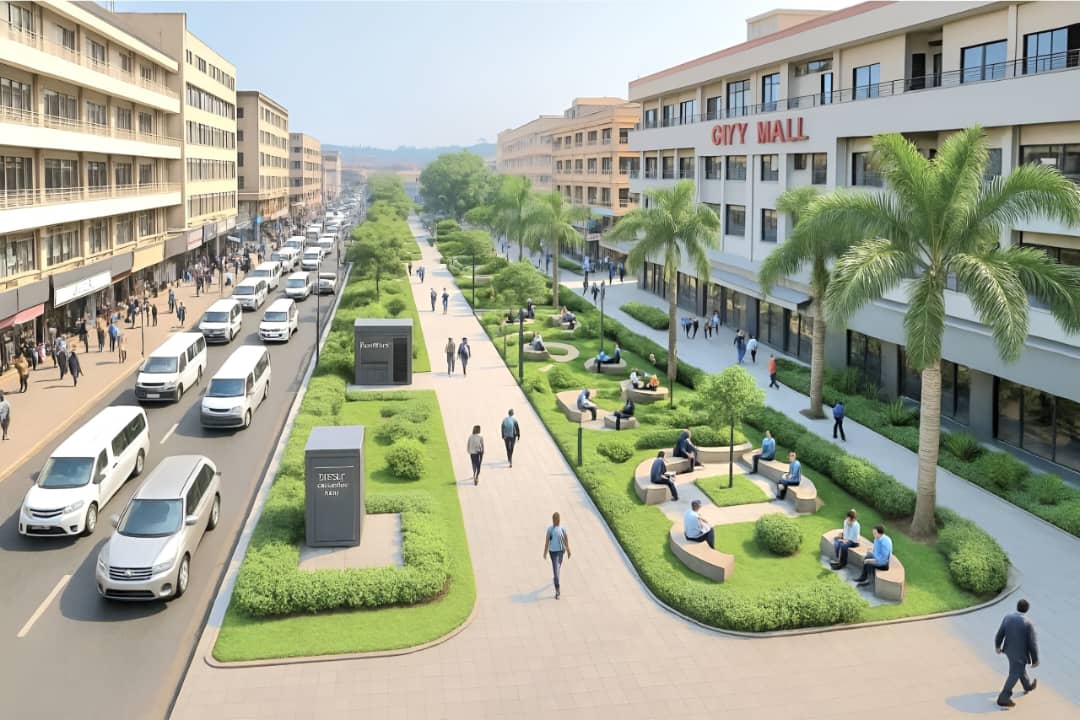
As the city grapples with its urban challenges, this initiative could redefine Nakivubo’s role from a liability to a lifeline
If you would like your article/opinion to be published on Uganda’s most authoritative news platform, send your submission on: [email protected]. You can also follow DailyExpress on WhatsApp and on Twitter (X) for realtime updates.