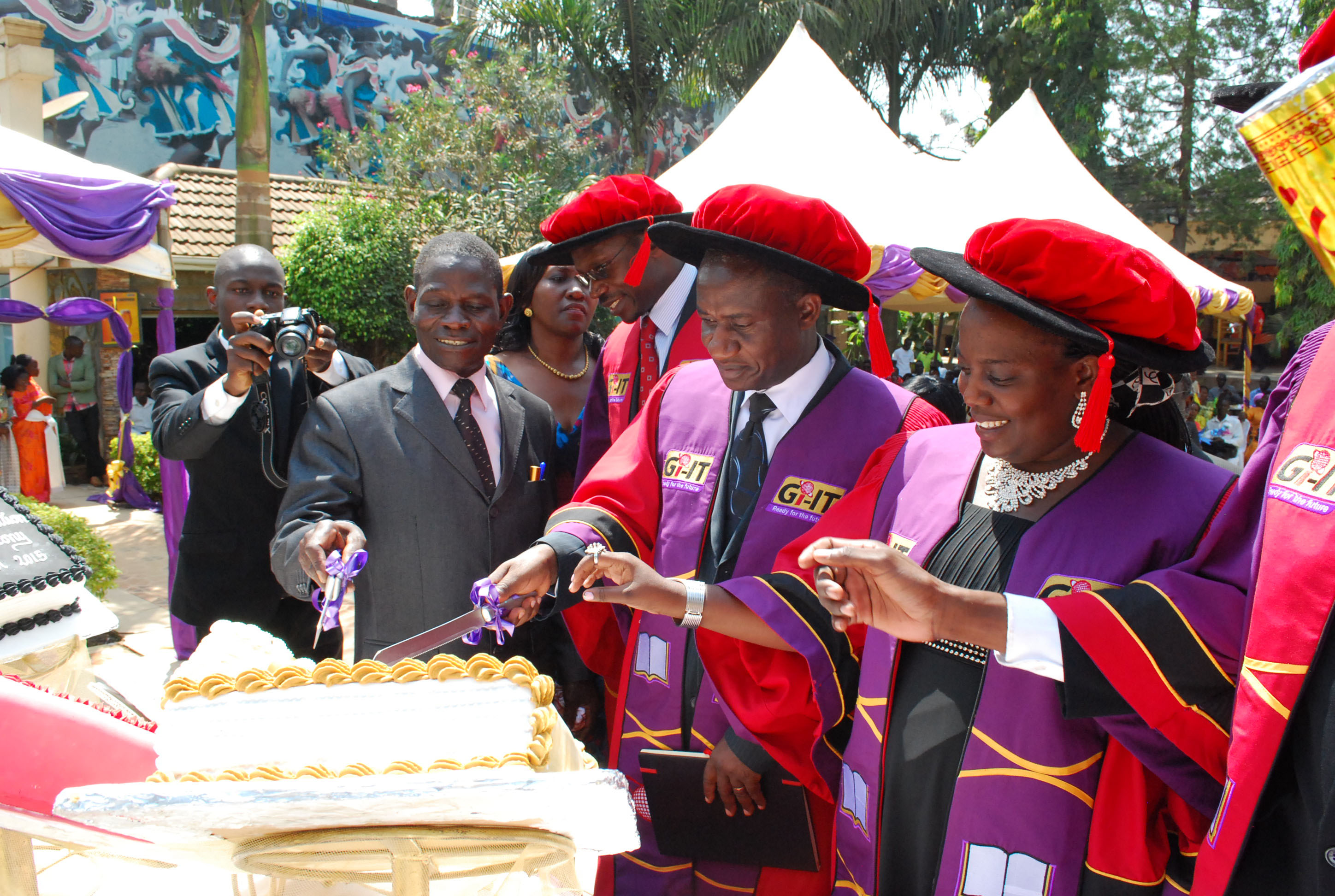
By Ben Opolot
Introduction: In today’s rapidly evolving educational landscape, students and parents alike are faced with a growing number of choices about how learning is delivered. The rise of technology has introduced new models of education, with blended learning, a thoughtful combination of online and in-person instruction, becoming an increasingly popular option. At the same time, traditional brick-and-mortar schools remain the backbone of many communities, offering structure, routine, and face-to-face engagement.
But how do you know which model is right for you or your family?
This guide offers practical tips to help you weigh the benefits and challenges of both approaches. Whether you’re a parent exploring options for your child, an adult learner returning to school, or simply curious about what blended education entails, this article is designed to help you make an informed decision that aligns with your goals, lifestyle, and learning preferences.
Quality of Learning in Blended Education: A common concern is that online or blended learning might be of lower quality than traditional, face-to-face education. However, the effectiveness of any learning model depends not just on the mode of delivery but on the design, engagement, and support systems in place. For instance at Global Institute of Information Technology and Business, Makerere, quality is maintained—and in many cases enhanced—through a variety of strategies. These include: access to diverse and up-to-date resources, use of interactive platforms, personalized learning paths, and the development of independent study habits. Far from being inferior, well-designed blended programs can offer more depth and flexibility, allow students to revisit content at their own pace, and provide real-time and asynchronous support. Moreover, students graduate with stronger digital literacy and time management skills—key indicators of readiness for the modern workforce. When executed thoughtfully, blended learning is not a compromise on quality—it is an evolution of it. It is not abandoning the classroom—but broadening it.
Increased Accessibility to Education Justification: Many students in Uganda, especially those from rural areas, face difficulties accessing higher education institutions due to long distances, poor transport, or high costs of relocation. Blended learning allows students to study from wherever they are, reducing the need to move to Kampala or stay in hostels, making education more inclusive and affordable.
Flexibility for Working Students: A growing number of students in Uganda are already employed or involved in informal work to support themselves or their families. With flexible online schedules, students can study at their own pace, balance work and academics, and avoid missing classes due to work obligations.
Cost-Effectiveness: Traditional education involves additional expenses such as transport, accommodation, meals, and printing handouts. Blended learning minimizes these costs. Learners can access digital materials, attend classes from home, and use mobile data bundles more efficiently for recorded sessions.
Digital Skills Development: Uganda’s job market increasingly demands ICT and digital literacy across all sectors. Students in a blended model gain real-world experience with tools like Zoom, Google Classroom, Microsoft Teams, etc.—making them more competitive in the job market.
Continuity of Learning amid Disruptions: Ugandans have experienced academic disruptions from pandemics (COVID-19), political unrest, and economic crises. Blended delivery ensures learning can continue even during lockdowns or interruptions, giving students academic stability and reducing time lost.
Personalized and Self-Paced Learning: Students learn at different speeds and often need to revisit materials for better understanding. Recorded lectures, downloadable resources, and interactive platforms allow students to study at their own pace, leading to deeper comprehension and improved performance.
Enhanced Interaction with Diverse Resources: Traditional face-to-face classes are often limited by physical resources (e.g., library books, time constraints). Online platforms give access to global resources—videos, articles, journals, discussion boards—and connect learners to a broader academic world.
Improved Time Management and Independence: Blended models require students to take more control of their learning. This fosters independence, self-discipline, and time management—essential life and workplace skills that are often underdeveloped in purely classroom settings.
Broader Participation for Students with Disabilities: Physical campus access can be a challenge for students with disabilities. Online delivery provides a more accessible and comfortable learning environment, with tools like screen readers, captions, and adjustable interfaces.

Alignment with Global Educational Trends: Globally, higher education is shifting towards hybrid models to meet the demands of modern learners. Students will be on par with international standards, better prepared for global opportunities, and more adaptable in diverse work environments.
About the Author
Ben Opolot is a distinguished educator, journalist, and media executive with over 30 years of experience spanning secondary education, publishing, mainstream media, and university-level instruction. His career reflects a deep commitment to excellence in communication, education, and institutional leadership.
He has taught in numerous secondary schools across Uganda and served as a book editor with several leading publishing houses. In the media sector, Ben held senior editorial roles at Vision Group, Uganda’s leading media company, eventually rising to the position of Managing Editor.
Following his retirement from Vision Group, he now serves as Executive Director of the Global Institute of Information Technology and Business, Makerere—Uganda’s premier institute for IT, media, and vocational training.
In academia, Ben has lectured at Makerere University’s School of Computing, where he trained and mentored future professionals in e-business and digital communication. His contributions to journalism, media development, and editorial leadership are widely recognized in Uganda and beyond.
Ben holds multiple academic qualifications from Rhodes University (South Africa) and Makerere University (Uganda), including:
- Master of Arts in Journalism and Media Studies – Rhodes University
- Bachelor of Arts in Literature in English – Makerere University
- Postgraduate Diploma in Education (PGDE) – Makerere University
- Postgraduate Diploma in Computer Science (First Class Honours) – Makerere University
He has also completed advanced professional training with the Thomson Foundation (UK) and participated in a range of international training programs in journalism and management in the United Kingdom, India, China, and Germany, further enhancing his global outlook and professional expertise.
With a rich blend of practical experience, academic rigor, and international exposure, Ben Opolot is a respected leader in Uganda’s media and education sectors.