

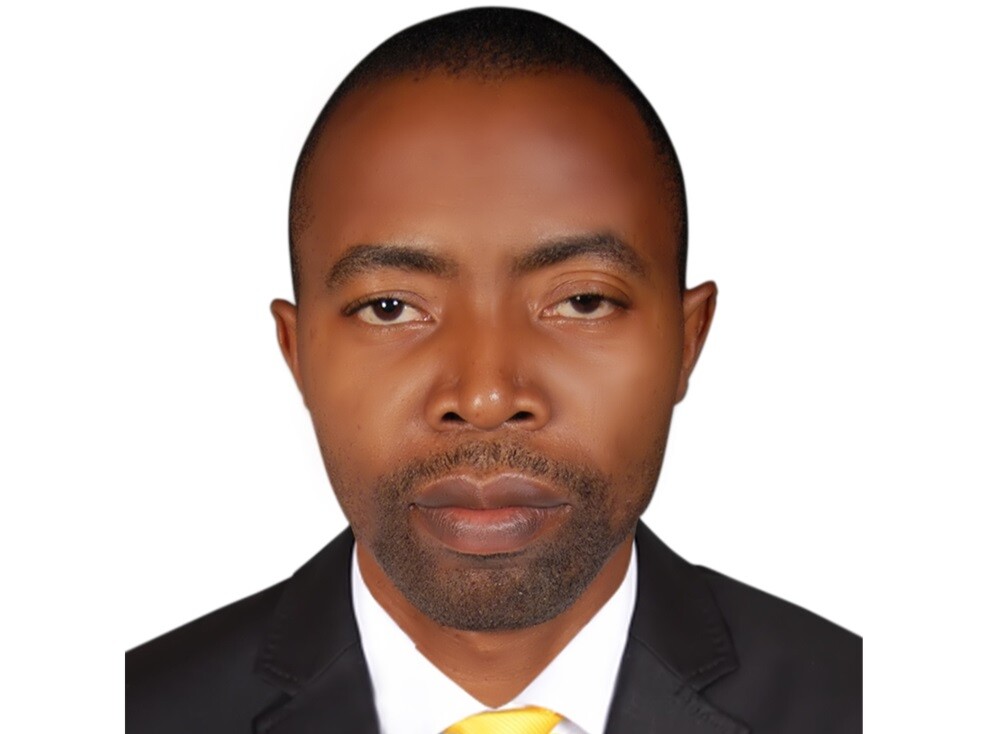
By Ben Ssebuguzi
In 2005, President Yoweri Museveni and the ruling National Resistance Movement (NRM) opened the floodgates for multi-party politics as a way of aligning Uganda with modern oversight and accountability models.
This new political dispensation ushered in opposition parties such as the Democratic Party (DP), Uganda People’s Congress (UPC), and, more recently, the National Unity Platform (NUP). These were expected to act as independent bodies scrutinizing the ruling NRM to ensure accountability, curb corruption, and maintain public trust in government and the private sector.
Unfortunately, many times, opposition parties have fallen short of this mandate. Instead of offering alternative policies or seriously combating corruption, it is government-backed institutions such as the Inspector General of Government (IGG), the Investors Protection Unit, the Office of the National Chairman, and civil society organisations like AGORA that have shouldered this burden. Opposition parties, in many respects, have abdicated their duties.
This raises a fundamental question: if opposition parties scrutinize the ruling NRM, then who scrutinizes the opposition to ensure they don’t sink into complacency, corruption, and internal dysfunction?
Political scholar R. Welz once wrote: “Voters will not only evaluate the actions of government parties but also the actions of opposition parties.” This truth is evident in Uganda today.
On several occasions, we have witnessed public outrage directed at opposition leaders. Hon. Joel Ssenyonyi of NUP, for instance, was accused on social media of failing to refund funds withdrawn from Parliament for an activity in Kenya, sparking questions about his integrity. Beyond such incidents, many opposition leaders flaunt opulence, driving fuel-guzzling cars and staging lavish weddings, while neglecting the ideological orientation, grassroots mobilisation, and internal democracy required to strengthen their parties.
A recent case was the unveiling of new NUP offices in Busoga. The party bragged about excluding security from the construction process while ignoring the procurement procedures that ensure transparency. For a party branding itself as a “government-in-waiting,” this disregard for open governance is worrying.
The NRM government established the Public Procurement and Disposal of Public Assets Authority (PPDA) to guarantee transparency, competition, and value for taxpayers’ money. Opposition parties’ failure to embrace the same principles signals a decay that risks reducing them to mere shells, stifling Uganda’s political development.

The recent fallout between NUP President Hon. Robert Kyagulanyi and former Leader of Opposition Hon. Mathias Mpuuga further exposed the party’s cracks. Their wrangles crippled NUP, undermining its cohesion and portraying opposition leaders as incapable of managing internal conflicts. A fragmented opposition, inevitably, performs poorly in elections.
The weakness is also evident in inter-party relations. While some opposition parties attended the recent NRM National Conference at Kololo, NUP—the country’s largest opposition party—snubbed the event. This signals poor inter-party cooperation. Yet, as one scholar observed, “Friendship is the source of the greatest pleasures, and without friends, even the most agreeable pursuits become tedious.” Instead, Uganda’s opposition increasingly promotes confrontational politics steeped in hatred rather than constructive dialogue.
Political critics rightly argue that the strength, effectiveness, and quality of democracy largely depend on the efficiency, relevance, and credibility of opposition parties. Only then can they prove they are ready to govern.
Opposition parties remain under the watchful eye of Ugandans, who expect them to promote accountability, strengthen democracy, and defend citizens’ interests. When opposition fails in this duty, service delivery suffers, democracy weakens, and voters punish them at the ballot.
Long live General Yoweri Kaguta Museveni. Long live Hajjat Hadijah Namyalo, SPA/PA and Manager, Office of the National Chairman.
The writer is the Head of Research, Office of the National Chairman (ONC).
If you would like your article/opinion to be published on Uganda’s most authoritative news platform, send your submission on: [email protected]. You can also follow DailyExpress on WhatsApp and on Twitter (X) for realtime updates.

