Nebbi, Uganda: Journalists from the Alur sub-region have been empowered to spearhead awareness campaigns on Spina Bifida and Hydrocephalus (SBH), two critical but often misunderstood medical conditions affecting children in Uganda.
Through the Collective Action for Disability Rights (CADir) program, implemented by the Spina Bifida and Hydrocephalus Association of Uganda (SHA-U) in partnership with the National Union of Disabled Persons of Uganda (NUDIPU), more than 10 journalists from Nebbi, Zombo, and Pakwach were trained to use their platforms to raise awareness, promote prevention, and challenge harmful myths surrounding SBH.
The five-year CADir program, funded by the Norwegian Association of Spina Bifida and Hydrocephalus, was conceptualized in 2025 to tackle Uganda’s high SBH prevalence rates. Estimates indicate that nearly 800 children are born with Spina Bifida annually, while Hydrocephalus affects one to two in every 1,000 live births.
During the training, journalists were introduced to the causes, management, and prevention of the conditions. Spina Bifida was highlighted as being linked to inadequate folic acid intake during pregnancy, leading to spinal deformities and mobility challenges, while Hydrocephalus arises from excessive accumulation of cerebrospinal fluid in the brain, causing enlarged heads, visible veins, and seizures.

CADir program assistant Ahimbisibwe Jackline urged the media to adopt disability-inclusive language and to emphasize prevention. “Expectant mothers should take folic acid in the first month of pregnancy and consume folate-rich foods such as cabbage, soya beans, mushrooms, and liver. Giving birth in hospitals and avoiding unsafe practices like cutting umbilical cords with old razor blades can also prevent infections that cause Hydrocephalus,” she said.
Spina Bifida and Hydrocephalus Association Uganda, which began as a parent support group, now serves over 1,500 families nationwide. The organization continues to combat stigma, misinformation, and superstitious beliefs that have historically hindered treatment and management of SBH.

Journalists Commit to Changing Narratives
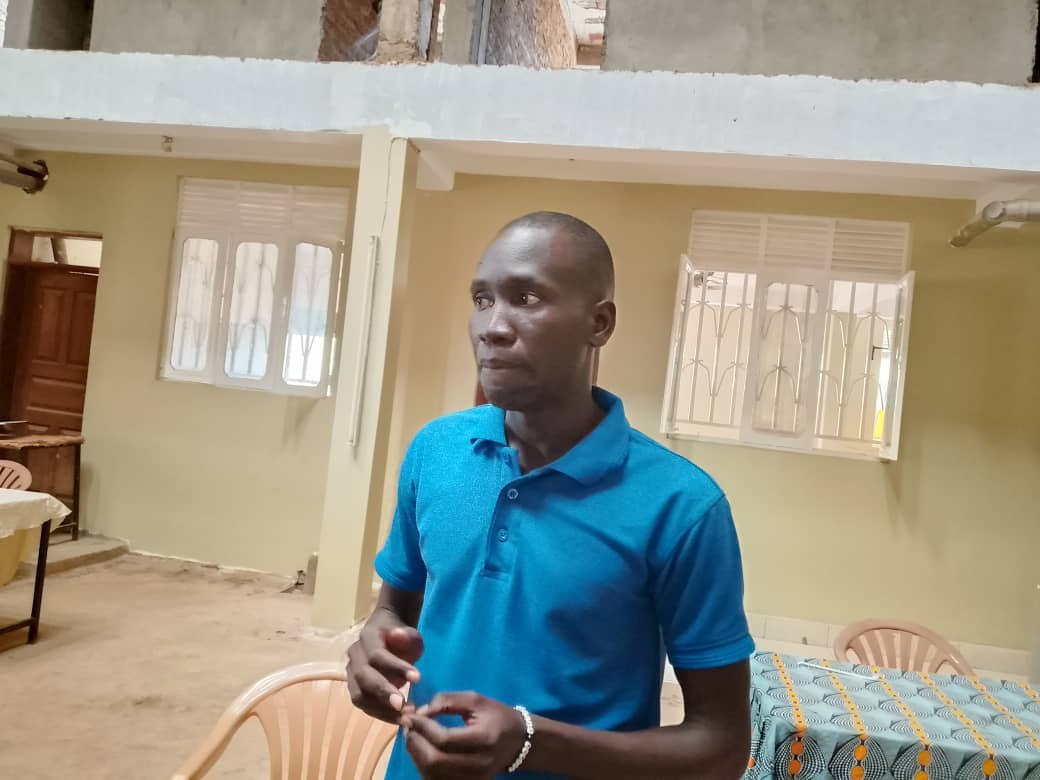
Nebbi-based freelance journalist Wantango Janney described the training as timely, pledging to use his platform to enhance referrals and awareness. “We are now equipped with knowledge and skills to identify these conditions early. The good news is that they can be treated if detected early,” he told DailyExpress.
Rwothomio Mike of Radio Pacis, Zombo, echoed the commitment: “In most cases we see children suffering silently with these conditions without understanding them. I will report more deliberately to ensure such children get help.”
In the Alur community, SBH is often clouded by superstitions, with families attributing it to curses or divine punishment. By empowering journalists to demystify these conditions, SHA-U and its partners believe the media can play a transformative role in tackling stigma, promoting disability inclusion, and ensuring affected children access timely medical care.
If you would like your article/opinion to be published on Uganda’s most authoritative news platform, send your submission on: [email protected]. You can also follow DailyExpress on WhatsApp and on Twitter (X) for realtime updates.