Bukedea, Uganda: The Commissioner of Agricultural Extension and Skills Management at the Ministry of Agriculture, Animal Industry and Fisheries (MAAIF), Dr. Henry Nakelet Opolot, has urged Ugandan farmers to shift from traditional peasantry production to commercial-oriented farming by embracing modern technologies.
Speaking to DailyExpress on Sunday, Dr. Opolot said that adopting climate-smart agriculture was key to lifting rural households out of poverty. “If our people embrace the scaling of climate-smart agriculture in Uganda, poverty will be history, just like the lice that rocked every rural household in the 1970s and 1980s,” he said.
Dr. Opolot noted that the Uganda Climate Smart Agricultural Transformation Project (UCSATP) was designed to enhance productivity, improve market access, and build resilience of key value chains against climate change. “Promotion of climate-smart technologies and practices, alongside support for investments in upscaling these approaches, will greatly impact household incomes,” he explained.
He emphasised that Uganda’s crops all have strong market demand, but farmers struggle with quality and quantity. He called for a stronger focus on value chains for crops like coffee, cocoa, mango, cassava, and maize, as well as livestock (dairy and beef), fisheries, and beneficial insects such as bees and black soldier flies.
“President Museveni, being a number one patriot, has always preached the gospel of the money economy through several interventions. What remains is addressing the mindset of our people,” Dr. Opolot said.

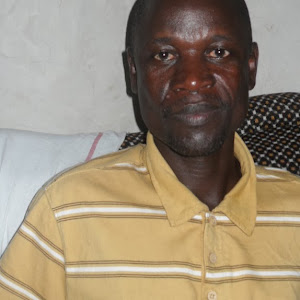
Local farmer Ambrose Opedun from Kasera village in Bukedea revealed challenges in implementing irrigation systems. “As a family, we offered a piece of land for a community borehole that can be solar-powered for irrigation and taps for domestic use, but Kamutur Subcounty authorities refused, saying a separate well should be sunk for agriculture. That is frustrating,” Opedun noted.
Prof. Okwakol Links Agriculture to Education
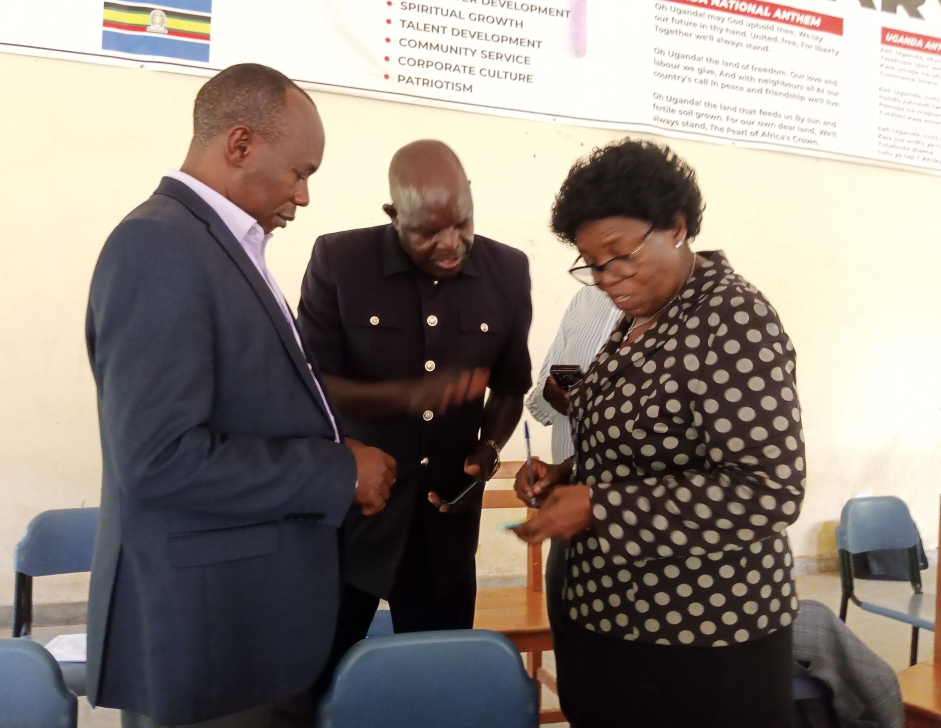
Meanwhile, at a stakeholders’ meeting in Pallisa held at Pallisa Secondary School, Professor Mary Okwakol highlighted the direct link between agriculture and education.

She said agriculture could support communities in educating their children by generating household income to cover school fees, uniforms, and learning materials. “By producing food, agriculture contributes to household food security, allowing children to attend school with better nutrition and health,” Prof. Okwakol explained.
She added that agriculture could also be integrated into school curricula to provide hands-on learning about food production, sustainability, and entrepreneurship. “In some communities, agriculture projects involve children in farming practices, fostering a connection between school learning and community needs,” she said.
The leaders underscored the urgent need for mindset change, investment in modern technologies, and strengthening agricultural value chains to make farming profitable and sustainable for Ugandan households.
If you would like your article/opinion to be published on Uganda’s most authoritative news platform, send your submission on: [email protected]. You can also follow DailyExpress on WhatsApp and on Twitter (X) for realtime updates.