

Apac, Uganda: The Apac Municipal Authority has directed all Local Council leaders to begin an urgent agricultural census aimed at assessing food and livestock stocks across the municipality.
The exercise, announced Tuesday at a high-level stakeholders’ meeting at Scouts Hall, is set to run until October 21, but has already sparked tension, mistrust, and fears of mass non-compliance.
Municipal Production and Marketing Officer Ms Akite Anna Grace said the data will be submitted to the Ministry of Agriculture, Animal Industry and Fisheries (MAAIF) to guide government interventions against a looming famine.
“This data is not for decoration. We need to know how much food we have. If there’s a deficit, the government must act and fast,” she said.
Crops, Livestock and Confusion
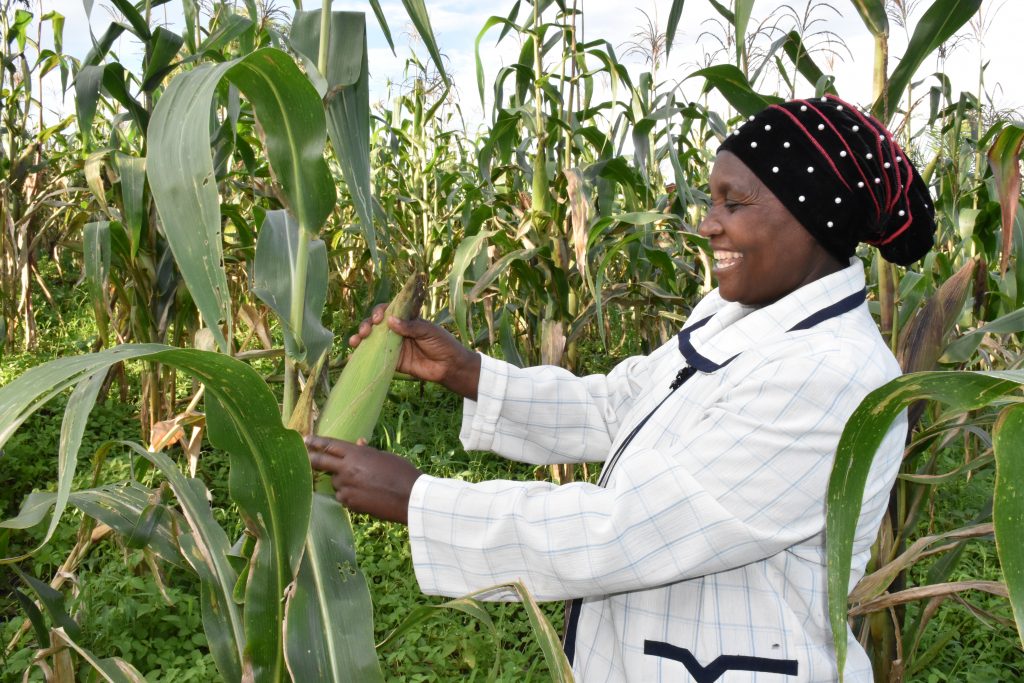
The census targets crops including soya bean, maize, cassava, beans, sunflower, groundnuts, bananas, and sorghum. Leaders are also expected to count livestock such as goats, pigs, chickens, dogs, cats, and other domestic animals, while recording acreage, expected harvest yields, and total livestock per household.
Some LC1 and LC2 leaders, however, have criticized the exercise as impractical without community sensitisation and proper resources. They warn the initiative risks producing inaccurate or incomplete data.

Emmanuel Nengo, Chairperson of Atopi Ward Development Committee in Arocha Division, said residents are refusing to cooperate. “We are being sent into communities without explanation or tools. People are suspicious. They think we are gathering this data to impose taxes or take their land,” he said.
Others echoed concerns that counting animals such as cats and dogs raises fears of witchcraft or potential land grabs. Ms Mary Akello Ojudu, LC1 Chairperson of Biashara Cell, Central Ward, noted, “Some ask why authorities want to know how many cats they own. Suspicion is high.”
Data, Secrecy and the Politics of Hunger
The region is experiencing a silent hunger crisis, with erratic rainfall, declining yields, and rising food prices pushing many households to the brink. Agricultural experts warn that reliable data is crucial for effective government response, but poorly executed exercises risk undermining trust and accuracy.

“Data is power, but it must be transparent,” said a regional agricultural analyst based in Lira. “Without trust, people will either lie or refuse to participate — and that defeats the entire purpose.”
Local council leaders say the municipality’s approach was “top-down” and failed to involve them in planning. They complain of inadequate resources, lack of training, and missing official forms, leaving them unable to guarantee reliable results.
Despite these concerns, Ms Akite stressed the deadline is non-negotiable and warned that leaders who fail to provide accurate data could face accountability measures.
The Apac census is part of a broader, informal effort across Northern Uganda to gauge food security amid worsening climate conditions. Experts caution that without transparency, community engagement, and logistical support, the exercise risks producing figures that may not reflect reality.
If you would like your article/opinion to be published on Uganda’s most authoritative news platform, send your submission on: [email protected]. You can also follow DailyExpress on WhatsApp and on Twitter (X) for realtime updates.

