
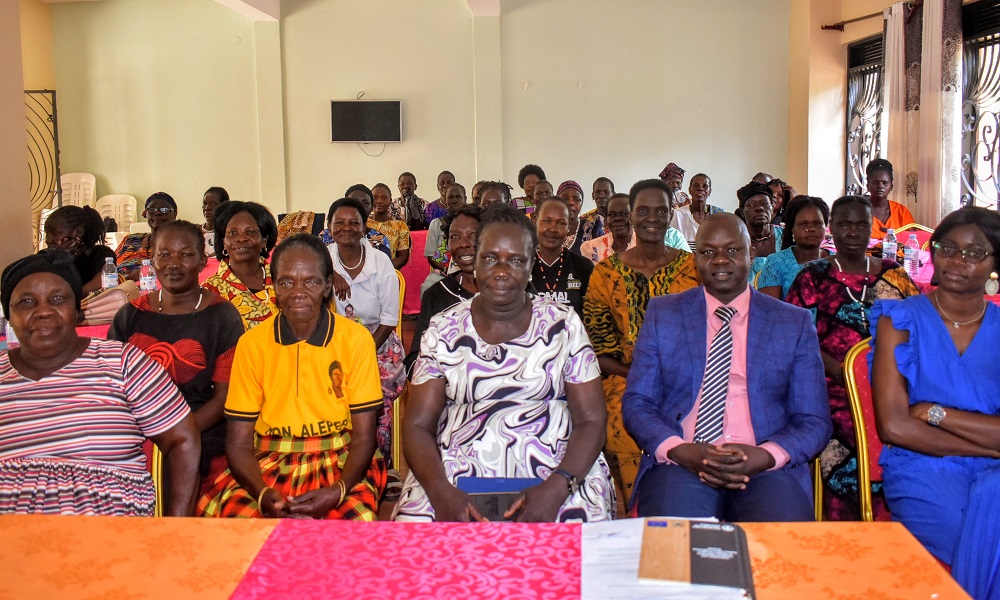
Kotido District, Uganda: Over 56 women from four community groups, including the Women Elders Forum and local women’s networks representing more than 2,000 residents, participated in a landmark two-day gender-responsive governance workshop held at Royal Madiba Hotel Hall on September 25–26, 2025.
The training, organized under the Women’s Amplified Voice for Accountability (WAVA) project, was supported by the Royal Danish Embassy and implemented by Nakere Rural Women Activists (NARWOA) in partnership with the Forum for Women in Democracy (FOWODE).
The initiative aims to embed gender-sensitive budgeting, service delivery monitoring, accountability, and climate justice into Kotido’s governance framework, addressing long-standing service gaps. Women in the district face under-resourced schools, poorly equipped health centers, unreliable water supplies, and exclusion from decision-making spaces, leaving their voices unheard in public planning.
Launched in April 2025, the WAVA initiative seeks to redress these imbalances by equipping women, girls, persons with disabilities, and supportive men with tools to influence budget allocations and monitor public service delivery.
WAVA Project Coordinator Nyatima Rebecca facilitated sessions using interactive manuals on gender-responsive budgeting, service delivery monitoring, budget advocacy, and climate adaptation strategies. Participants reviewed case studies from 15 villages across Kotido before forming community monitoring teams.
Through group exercises, they drafted prototype budgets prioritizing maternal health clinics, school latrine renovations, and borehole repairs, demonstrating how gender-responsive allocations can translate into tangible improvements. Participants also assessed existing facilities and uncovered glaring gaps, such as the absence of disability-friendly labor beds in government hospitals for expectant mothers with disabilities.

Amito Catherine, LC1 Chairperson of Narikapet Ward, emphasized the importance of parental accountability and community vigilance in shaping youth welfare. She called for stronger engagement between families and local leaders to ensure safe and supportive environments for young people. “Education and open dialogue must replace secrecy and risk,” she said.
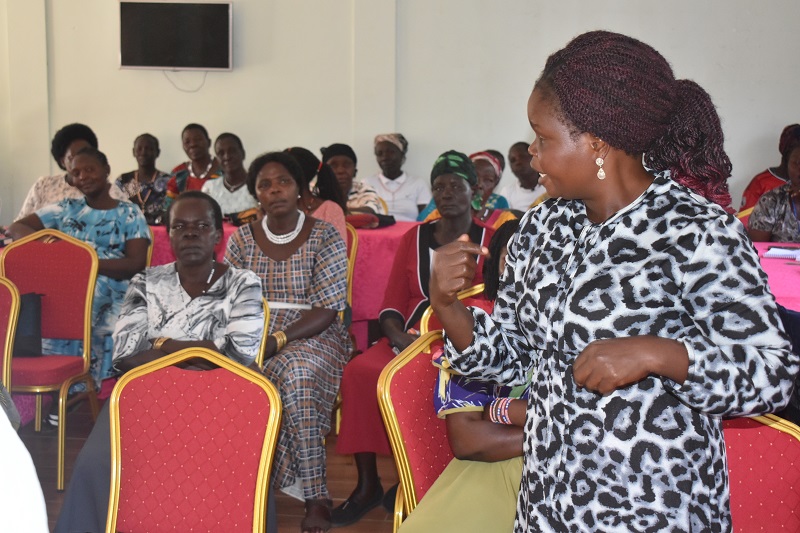
Amid predominantly female attendance, Acheboi, a male facilitator and community resource person underscored that gender-responsive budgeting is not about sidelining men, but about fairness. “When budgets reflect the real needs of women, youth, and persons with disabilities, clinics get essential drugs and schools receive critical repairs,” he observed.
Kotido’s Deputy Chief Administrative Officer, Mr. Lochoro Daniel, attended the opening session and announced a series of reforms to embed community feedback into governance processes. He committed to establishing a monthly joint review committee comprising officials, councilors, and community monitors to assess progress on boreholes, schools, and health posts.

Kotido District Speaker Lodio Emmanuel Lopwot pledged to coordinate with fellow district officials to create platforms that elevate women’s voices in governance. He committed to inviting women to attend council and committee meetings, where they will be empowered to ask probing questions to duty bearers and hold leaders accountable.
“Women must not only be heard they must be seen shaping the decisions that affect their communities,” Lopwot affirmed.
As Kotido grapples with intersecting challenges of gender inequality, youth vulnerability, and climate variability, the WAVA-facilitated training has ignited a powerful shift toward citizen-driven accountability.
With women and girls leading monitoring teams, supportive voices like Acheboi’s, and a district administration committed to transparency, Kotido is charting a new governance course; one where budgets reflect lived realities and service delivery truly leaves no one behind.
If you would like your article/opinion to be published on Uganda’s most authoritative news platform, send your submission on: [email protected]. You can also follow DailyExpress on WhatsApp and on Twitter (X) for realtime updates.