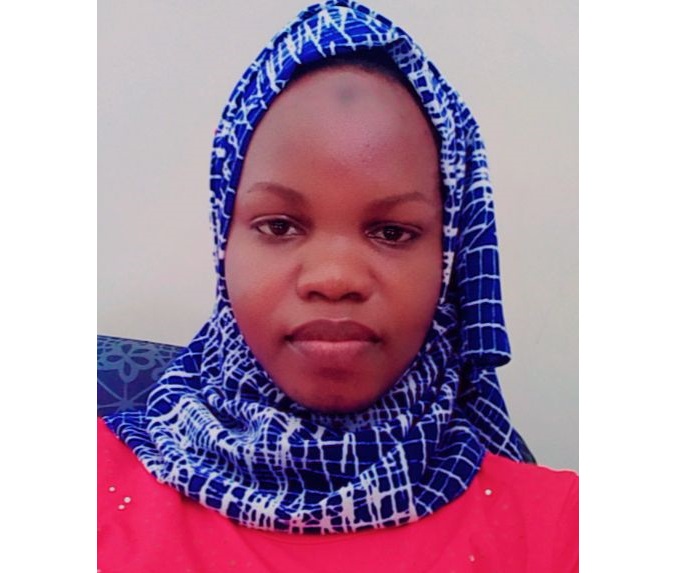
By Aisha Naava
Let’s do a self-reflection! Take a pause, reflect on your own family—mother, father, granny, or any other relative—with chronic illnesses. Think of how they periodically wake up in the morning, drop into some health facility, make those long queues to see the clinician who makes a long list of medications depending on the patient’s illnesses, then finally to the pharmacy where they are told that drugs are out of stock and the patient has to buy.
Many times, chronic care clients are unable to receive the required treatment even with well-documented prescriptions from clinicians, and this leads them into a number of complications which would otherwise be prevented if they received the required treatment on time.
Globally, chronic illnesses, also known as non-communicable diseases (NCDs), have become the leading health challenge, being the primary causes of death worldwide, accounting for 74% of all deaths in 2019. Last year (2024), statistics showed that universally, 970 million people were living with chronic illnesses, with the most prevalent being cardiovascular diseases, including heart disease and stroke, followed by cancer, respiratory diseases, diabetes, and HIV/AIDS.
Other chronic illnesses may include mental health disorders like depression, bipolar disorder, schizophrenia; digestive disorders like Crohn’s disease, ulcerative colitis, irritable bowel syndrome (IBS); and musculoskeletal disorders like osteoarthritis and fibromyalgia.

Reasons Why Chronic Illnesses Are a Global Health Burden
- Widespread Impact: Chronic diseases affect millions of people worldwide, regardless of age or location. They are among the leading causes of death and disability globally.
- High Prevalence: Diseases like heart disease, diabetes, cancer, and chronic respiratory diseases affect millions of people worldwide, across all age groups and income levels.
- Long-Term Impact: Chronic illnesses often require lifelong management, which leads to ongoing medical costs, lifestyle changes, and loss of productivity.
- Healthcare Costs: Treating chronic diseases consumes a significant portion of healthcare budgets, straining both public and private health systems, especially in low- and middle-income countries.
- Reduced Quality of Life: These conditions can lead to disability, mental health issues, and a diminished ability to work or participate in daily activities, hence reduced productivity.
- Aging Population: As people live longer, the incidence of chronic diseases increases, further stretching healthcare resources and support systems.
NOTE:
Chronic care is increasingly vital in Uganda due to the rising prevalence of non-communicable diseases (NCDs) such as hypertension, diabetes, cardiovascular diseases, and sickle cell disease, among others. These conditions significantly contribute to morbidity and mortality, posing challenges to the healthcare system and the economy.
Yet, accessing necessary medications for chronic illnesses in Uganda remains a significant challenge for many individuals, especially those in rural areas and low-income communities.
Several key factors contribute to failure to access appropriate care and treatment, including:

- Frequent stockouts at public health facilities: In Uganda, public health facilities often experience shortages of essential medications, as patients have reported instances of receiving partial doses or none at all. This leads to interruptions in treatment and potential worsening of health conditions. For example, patients on insulin sometimes receive only syringes without the accompanying insulin vials, and essential test strips may be unavailable, hindering proper diagnosis and treatment.
- High costs of medications: Even when medications are available in private health facilities, many individuals cannot afford them because the cost is prohibitively high, forcing patients to reduce their medication dosage or seek alternative treatments such as herbal remedies, which may not be effective or safe.
- Limited health insurance coverage: A significant portion of the population lacks health insurance, making out-of-pocket expenses for medications a heavy burden. Without financial protection, individuals are less likely to adhere to prescribed treatment regimens, leading to poor health outcomes.
- Cultural preferences for herbal medicine: Many patients initially turn to herbal treatments due to cultural beliefs or mistrust of modern medicine. This preference can delay seeking appropriate medical care and result in the use of ineffective or harmful alternatives, further complicating disease management.
- Stigma and discrimination: Individuals with chronic illnesses, particularly those with conditions like HIV, may face stigma and discrimination, deterring them from seeking necessary medical care. Even in integrated care settings, concerns about being perceived as HIV-positive can discourage patients from accessing services for other chronic conditions.
- Long distances to health facilities: Especially in rural areas, inadequate transportation options can prevent patients from attending medical appointments or obtaining medications. Additionally, the absence of specialized healthcare providers, such as geriatricians, further limits access to appropriate care for older adults.
- Inadequate health system infrastructure: In Uganda, the healthcare system faces challenges such as understaffing, inadequate training for managing chronic diseases, and limited operating hours at public facilities. These systemic issues contribute to poor service delivery and hinder effective management of chronic illnesses.
Way Forward
Addressing these barriers requires a multifaceted approach, including improving the availability and affordability of medications, enhancing health insurance coverage, promoting public health education to shift cultural attitudes, reducing stigma, and strengthening healthcare infrastructure. This will improve access to necessary medications and care for individuals with chronic illnesses, leading to better health outcomes across the population.
Furthermore, the fact that these illnesses are often preventable—since many are linked to lifestyle factors such as unhealthy diets, lack of exercise, smoking, and alcohol use—means efforts to combat the rise of chronic diseases should be embraced through promoting healthier lifestyles, improving access to medical care, and implementing public health policies aimed at reducing risk factors to effectively address this growing global health issue.
The author is a Nursing Officer working with Kawolo General Hospital.
If you would like your article/opinion to be published on Uganda’s most authoritative news platform, send your submission on: [email protected]. You can also follow DailyExpress on WhatsApp and on Twitter (X) for realtime updates.