By Peruth Atukwatse
Today, 16th October 2025, the world celebrates World Food Day under the theme “Hand in Hand for Better Foods and a Better Future.” While this event is ongoing, it is important to have an honest reflection on the current food systems.
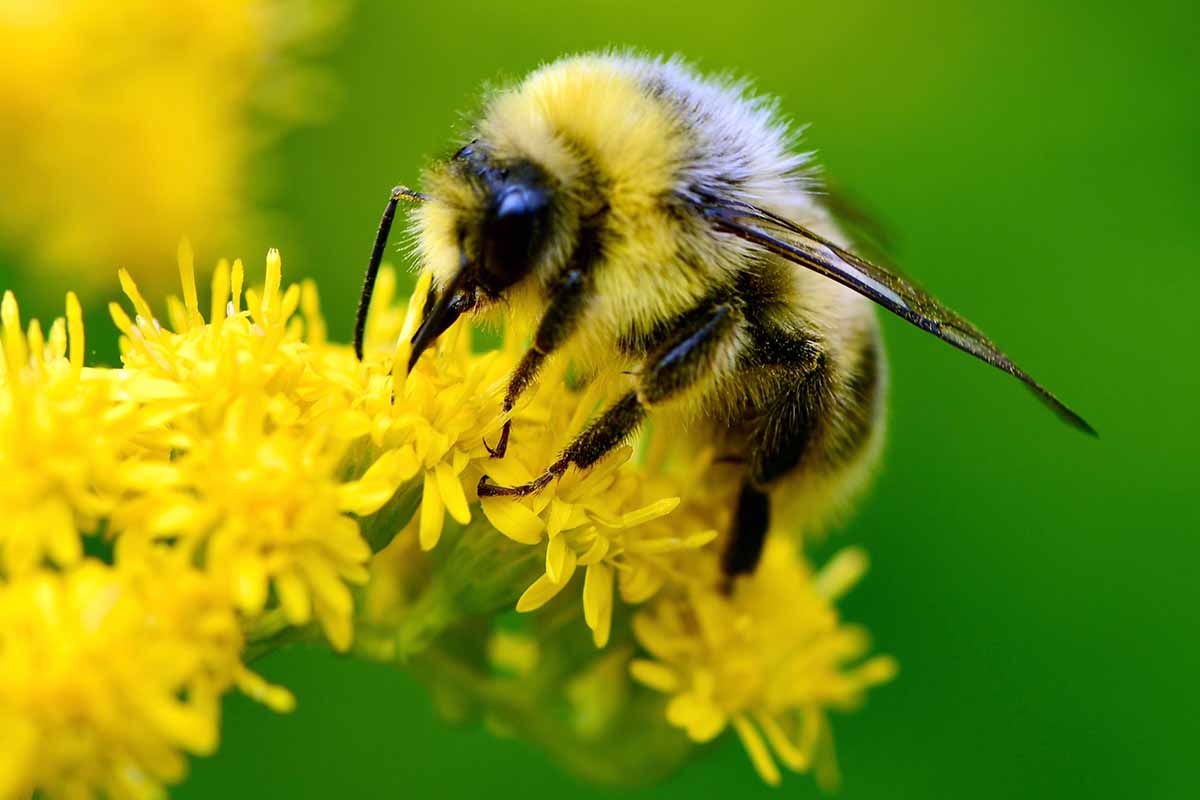
One of the debates we need to have as a country is the importance of pollinators in sustaining global food systems and the threat they are currently facing. According to the Food and Agriculture Organization (FAO), about 75% of the world’s food crops — including fruits, vegetables, nuts, and seeds — depend at least in part on pollination by bees and other species such as butterflies, bats, and birds. Insects play a crucial, yet often overlooked, role in global food systems. Without this pollination service, many species and processes functioning within an ecosystem would collapse.
At the moment, pollinators in Uganda, particularly bees and other insects, continue to face threats due to human activities. These threats include habitat loss due to rampant degradation, intensive or unsustainable farming practices, monoculture, changes in weather patterns, and the excessive use of agrochemicals such as pesticides.
Many farmers in Uganda, both small-scale and commercial (about 85%), spray their crops, fruit trees, and domestic animals against pests and fungal infections using different chemicals in an attempt to reduce damage, with little or no consideration for pollinators like honeybees. It is estimated that over 40% of global honeybee species are declining annually due to chemical use in the environment.

The situation is not unique to Uganda. Across the region — in Ethiopia, Kenya, Tanzania, and Rwanda — there are increasing reports of bee mortality linked to pesticide use, according to the International Centre of Insect Physiology and Ecology in Nairobi. Pesticides are not only killing insects; they are silent killers of humans, of nature, of our soils that are getting barren, of our water, and of our agri-food systems.
The notion that pollination is the number one input in global crop agriculture remains elusive in contemporary debates on global food systems, which have largely centered on factors of production such as land, labour, capital, and management. Policymakers, agriculture experts, academicians, and farmers mostly invest their efforts in securing land for food production, agricultural inputs, and skills necessary for mass production.
Climate change also currently dominates food debates because irregular climate and weather patterns affect how food is produced and distributed. As a result, much of the funding from global agencies is concentrated on improving agricultural yields through hybrid seeds, fertilizers, farm machinery, and agrochemicals — but not on the most critical input: pollinators.

Addressing these challenges requires governments and civil society organizations to work hand in hand to reorient farmers toward sustainable practices that do not harm pollinators and that support food sovereignty and livelihoods. Debates on the importance of pollinators in global food systems must be loud and inclusive of all stakeholders.
At AIBIS, we believe agroecology is the way to go. Agroecology is an agricultural practice that promotes the growing of crops while preserving the host ecosystems. With agroecology, the use of dangerous agrochemicals is minimized, allowing pollinators to thrive. The government should come up with policies and laws to enforce the establishment of safe corridors where pollinators can grow and multiply.
The author works at the African Institute for Biodiversity and Sustainability (AIBIS).
If you would like your article/opinion to be published on Uganda’s most authoritative news platform, send your submission on: [email protected]. You can also follow DailyExpress on WhatsApp and on Twitter (X) for realtime updates.