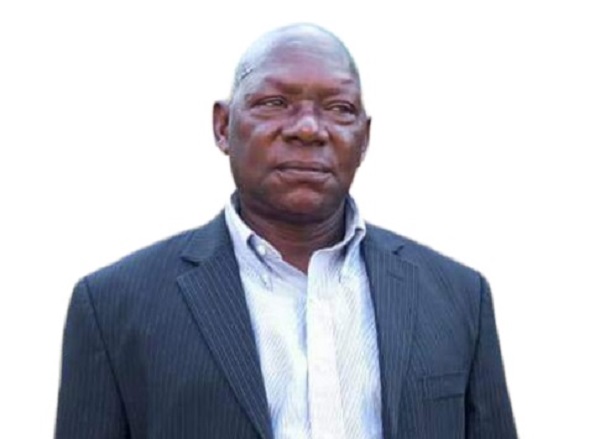
By Baluye Waiswa Michael
The politics of money refers to the influence of financial power in political systems and decision-making processes. It describes how money determines access to leadership, policy influence, and control over public institutions. In both democratic and authoritarian systems, money has become a central pillar of political competition, often determining who wins, who governs, and who benefits from government programs.
The Relationship Between Money and Politics
Money has become the lifeblood of politics. Campaigns, mobilization, media coverage, and voter outreach all require funding. Politicians and political parties rely on donations, patronage, and business support to sustain their operations. As a result, the political arena is often dominated by those with access to financial resources, sidelining capable but poor candidates.
In many developing countries, including those in Africa, politics has turned into a financial contest rather than an ideological one. Voters increasingly expect cash handouts or material incentives during elections, while contenders use money to secure loyalty and silence opponents.
The Effects of Money in Politics
Corruption and Patronage: The monetization of politics fuels corruption. Contenders who spend heavily to win elections often seek to recover their money through embezzlement or misuse of public funds. This creates a cycle of patronage and misuse of state resources, failing to deliver services to the community.

Erosion of Democratic Values; When politics is driven by money, merit, integrity, and public service lose meaning. The wealthy few dominate the political space, and ordinary citizens become spectators rather than active participants in governance.
Inequality and Exclusion: Financially disadvantaged individuals are often excluded from running for office. This widens inequality and limits diversity in political representation. The result is leaders serving the interests of the rich rather than the broader population.

Voter Manipulation: Vote-buying undermines free and fair elections. Citizens may sell their votes for short-term gain, sacrificing their long-term interests. Such practices weaken accountability since leaders feel they “bought” their way into office.
The Ugandan and African Context
In Uganda and across Africa, money politics is deeply rooted. Campaign seasons are marked by the distribution of cash, gifts, and food to voters. Political loyalty is often tied to financial reward, and winners use government programs to reward their supporters rather than address public needs. This practice undermines institutional trust and development.
The politics of money undermines democracy, breeds corruption, and weakens governance. For nations like Uganda and other African countries to progress, there must be a deliberate shift from financial politics to value-driven leadership. The true essence of democracy lies not in who can spend the most, but in who can serve the people best.
The writer is the Office of the National Chairman (ONC) Coordinator for Buyende District