
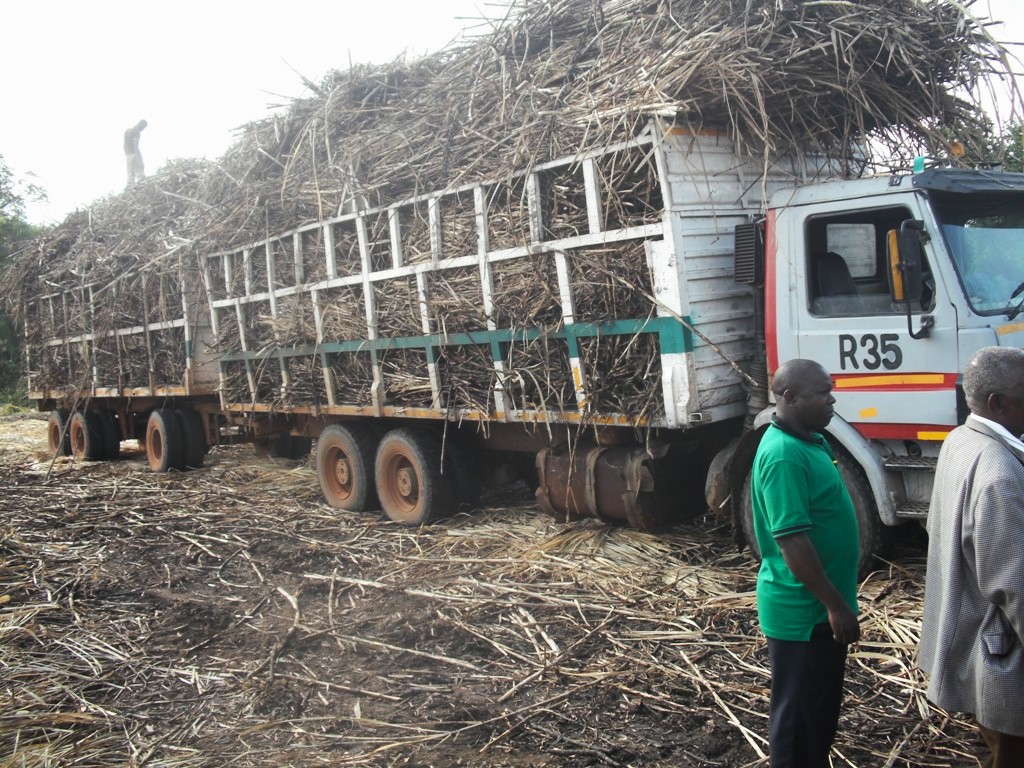
The farmers are pushing for a new formula in which sugar proceeds are shared in line with international best practices, with 58.75 per cent allocated to farmers and 41.25 per cent to millers.
Jinja, Uganda: Sugarcane farmers across Uganda have petitioned the Ministry of Trade, Industry and Cooperatives to reform the country’s sugar industry, demanding transparency from millers, fairer payment systems, and a new revenue-sharing model that gives farmers a bigger stake in the proceeds of their produce.
The farmers, under the umbrella of the Busoga Sugarcane Growers Association and Eden Forestry Company, want millers compelled to publicly display their financial performance, production figures, and daily factory results on noticeboards to prevent manipulation of earnings.
They are also pushing for a new formula in which sugar proceeds are shared in line with international best practices, with 58.75 per cent allocated to farmers and 41.25 per cent to millers. The growers further propose that payments should be based on the quality and sucrose content of the cane supplied rather than the total tonnage delivered, a model they say encourages better field management and efficiency.
In a petition to the Parliament, the farmers also demand inclusion in the earnings from sugar by-products such as ethanol, molasses, and electricity. They argue that since these by-products generate additional revenue for millers, the growers who supply the raw material deserve a share of the profits.
Michael Imaka Mugabira, the Executive Officer of Eden Forestry Company, said the current system unfairly excludes farmers from the broader benefits of their industry. He called for legislation that allows farmers to own shares in sugar factories and access at least 51 per cent of dividends from by-product ventures.
“Farmers should not only earn from cane sales but also from by-products. It is time we rebalanced the power in this industry,” Mugabira said, adding that farmers must be able to penalize millers who fail to pay fairly or on time.
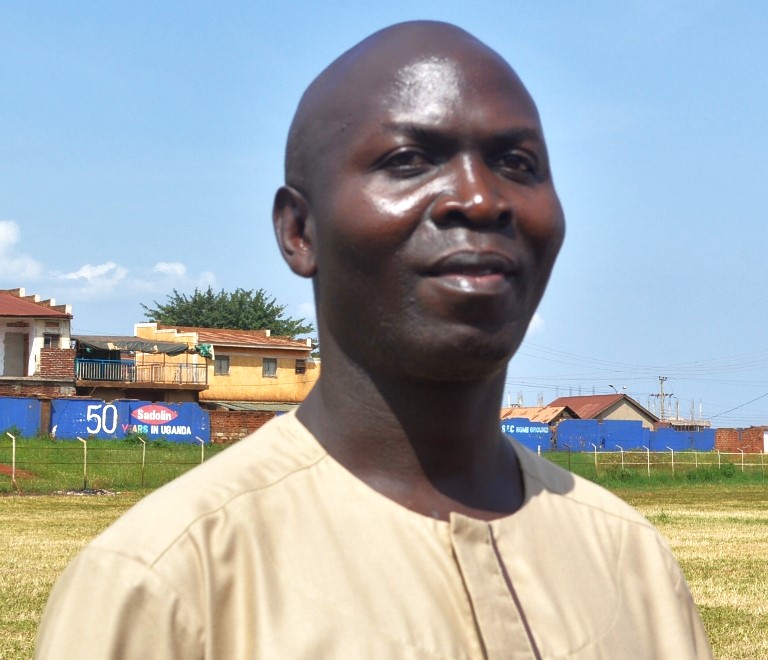
The push for reform follows a recent benchmarking visit to Tanzania by 40 Ugandan farmers seeking to learn from the country’s more transparent and farmer-friendly sugar sector.
The delegation, led by Mugabira and Busoga Sugarcane Growers Association chairman Isa Budhugo, was hosted by Dr. George Mlingwa, Chairperson of the Tanzania Sugarcane Growers Association, and toured the Kilombero Sugar Factory, a subsidiary of the multinational Illovo Sugar Group.
Farmers who participated in the study tour said Tanzania’s sugar industry provides a strong example of fair engagement between millers and growers. They observed that farmers there are paid based on the sugar content of their cane, with proceeds shared equitably between both parties.
All transactions take place at a single weighbridge where farmers’ representatives witness the weighing and documentation of deliveries to prevent manipulation. Factories display daily production results and sugar recovery rates on public noticeboards, enabling growers’ associations to monitor factory performance and calculate benefit sharing transparently.

In addition, out-grower associations manage harvesting and transportation activities, giving farmers greater participation in the value chain.
They also noted that the Tanzanian government, supported by the European Union, funds training for extension officers through the National Cane Training Institute in Kilombero, ensuring professional agronomic support and capacity building.
Small-scale farmers have been organized into block farming systems to overcome land fragmentation and achieve higher yields, while both millers and growers jointly fund a sugar industry trust to support research and development.

Mugabira described these as practices Uganda should urgently adopt to modernize its sugar industry and protect growers’ interests.

The farmers’ renewed push comes amid ongoing debate in Parliament over the proposed Sugar Bill, 2016, currently before the Committee on Trade and Industry. They have voiced strong opposition to provisions that they say entrench miller dominance, including zoning restrictions, the proposed 50-kilometer limit on establishing new mills near existing ones, and the clause barring farmers from selling their cane to millers of their choice.
“We are in a liberalized economy, and farmers should have the freedom to sell to whoever offers fairer terms,” said Budhugo, who called on the committee to visit Tanzania before passing the Bill.
The farmers also argue that Uganda’s current sugar policies are outdated and tilted toward large companies such as Kakira Sugar Works, SCOUL in Lugazi, and Kinyara Sugar, at the expense of smallholder producers. They contend that the new law should focus on equity, transparency, and empowering farmers to have a voice in an industry that has historically marginalized them.
Sugarcane has a long history in Uganda, dating back to 1915 when Indian entrepreneur Nanji Kalidhas Mehta introduced the crop and later established Mehta Group’s Lugazi estate in 1919. In 1925, industrialist Muljibhai Madhvani founded Kakira Sugar Works, which has since grown into one of East Africa’s largest agro-industrial enterprises.
The farmers say that while the industry has expanded, its policy framework has remained largely unchanged, leaving growers vulnerable to exploitation and market imbalances.
As Uganda’s sugarcane farmers intensify calls for reform, they are hopeful that Parliament and the Ministry of Trade will adopt lessons from Tanzania’s successful model to create a fair, transparent, and sustainable industry that benefits both growers and millers.
If you would like your article/opinion to be published on Uganda’s most authoritative news platform, send your submission on: [email protected]. You can also follow DailyExpress on WhatsApp and on Twitter (X) for realtime updates.