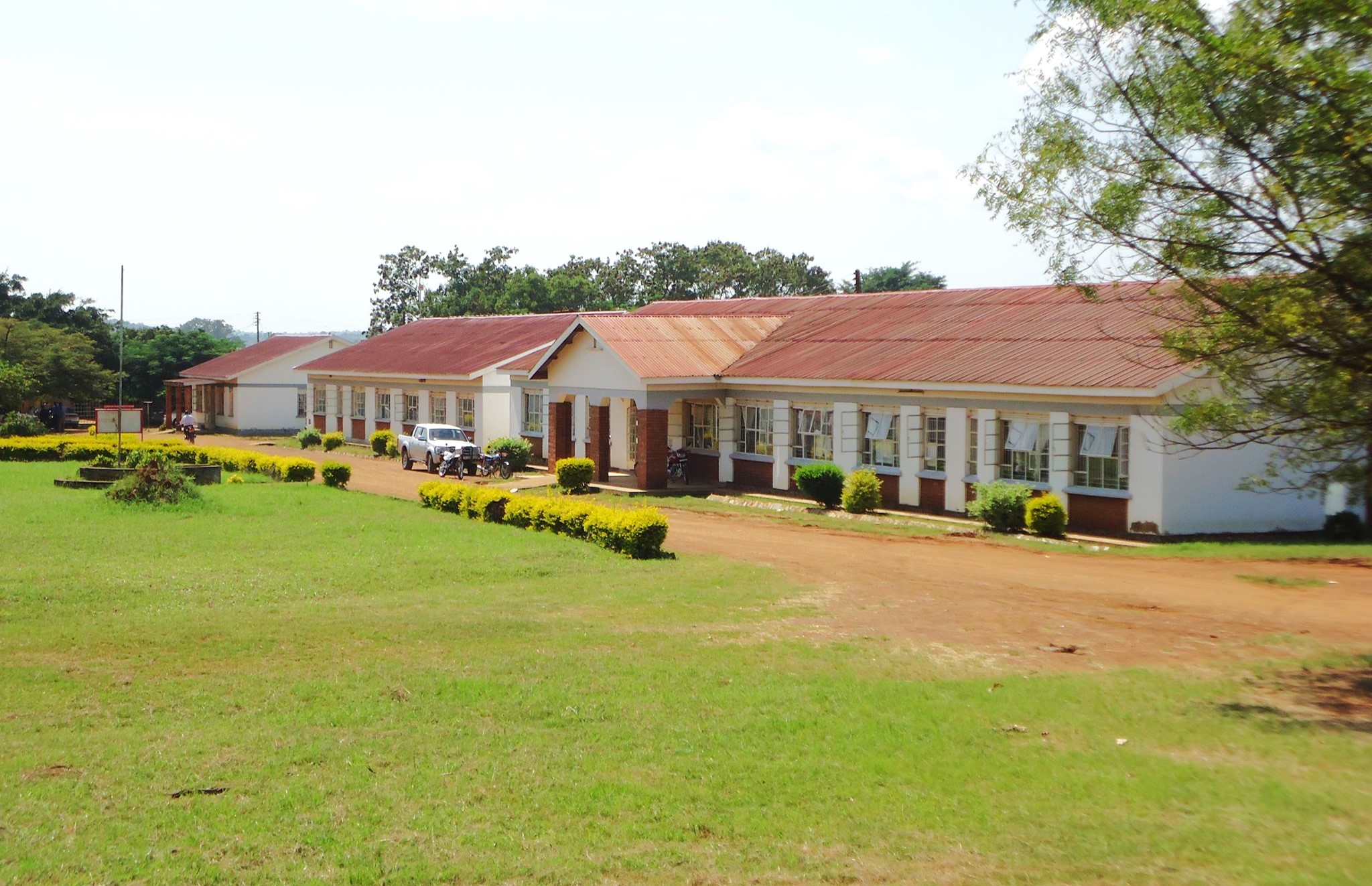
Nebbi, Uganda: Stakeholders from the Greater Erussi community have launched a campaign to create a new administrative unit, Erussi District, by carving it out of the existing Nebbi District in the West Nile Sub-region, citing the need to improve service delivery and boost local development.
The proposed district would include the sub-counties of Erussi, Ndhew, Atego, Jupangira, and parts of Acana Sub-County, with plans to establish Erussi and Goli Town Councils as new urban administrative centers.
The initiative is spearheaded by a task force chaired by former Resident District Commissioner (RDC) Henry Ringakech, with Dr George Rubanga Adubango as vice chairperson, who argue that creating Erussi District would bring government services closer to the people, enhance agricultural productivity, and improve infrastructure through increased funding.
“The Association of Greater Erussi Community has established a task force, with several sub-committees already formed,” said Orom Collins Jalacida, the LCIII Chairperson of Erussi Sub-County. “We are optimistic that, with God’s guidance, this initiative will succeed.”
Their move aligns with Article 179 of the Constitution of Uganda, which empowers Parliament to create new districts or alter existing boundaries upon majority approval. The task force plans to gather public opinions across sub-counties before submitting a formal proposal to the Ministry of Local Government.
Jalacida said the consultations will ensure inclusivity and transparency: “We want every sub-county involved in this process so that the final proposal reflects the will of the people.”
Economic and social aspirations
Nebbi District, with a population of 299,398 (2024 Census), remains largely agricultural, producing millet, potatoes, beans, cassava, cotton, coffee, and sugarcane. However, poor road infrastructure has long hindered the transport of produce to markets.
Bosco Okwai, LCIII Chairperson of Ndhew Sub-County and member of the task force, said the proposed district would attract more development funding to upgrade rural roads and facilitate the movement of goods such as coffee and bananas.

“Better infrastructure will mean faster market access, higher incomes for farmers, and increased revenue for government,” he noted.
Vice chairperson Dr Rubanga added that the new district would also help address border security concerns along the Uganda–DRC frontier, an area affected by instability in eastern Congo.
Precedents and political context
Since 2011, Nebbi District has already given rise to Zombo District, Pakwach District, and Nebbi Municipality, following earlier administrative splits.

The Greater Erussi leaders argue that their population and infrastructure qualify them for district status, citing examples such as Maracha, Bundibugyo, Serere, and Ntoroko, which have smaller land areas but function as districts.
While the government recently announced a moratorium on new administrative units, citing financial constraints, there have been exceptions, including proposals to split Tororo District into three and elevate Tororo Municipality to city status, as well as the creation of Bughendera District from Bundibugyo.
Jalacida maintains that the Erussi proposal remains valid and timely. “The government has its own timelines, but we must seize this opportunity to advance our people’s aspirations,” he said.
As consultations continue, the proposal’s fate now depends on district-wide consensus and eventual parliamentary consideration. Area Members of Parliament and Nebbi District officials have not yet issued official statements.
The push for Erussi District comes amid rising calls across Uganda for decentralization to improve local governance and bring services closer to citizens.
If you would like your article/opinion to be published on Uganda’s most authoritative news platform, send your submission on: [email protected]. You can also follow DailyExpress on WhatsApp and on Twitter (X) for realtime updates.