By Waiswa Michael Baluye
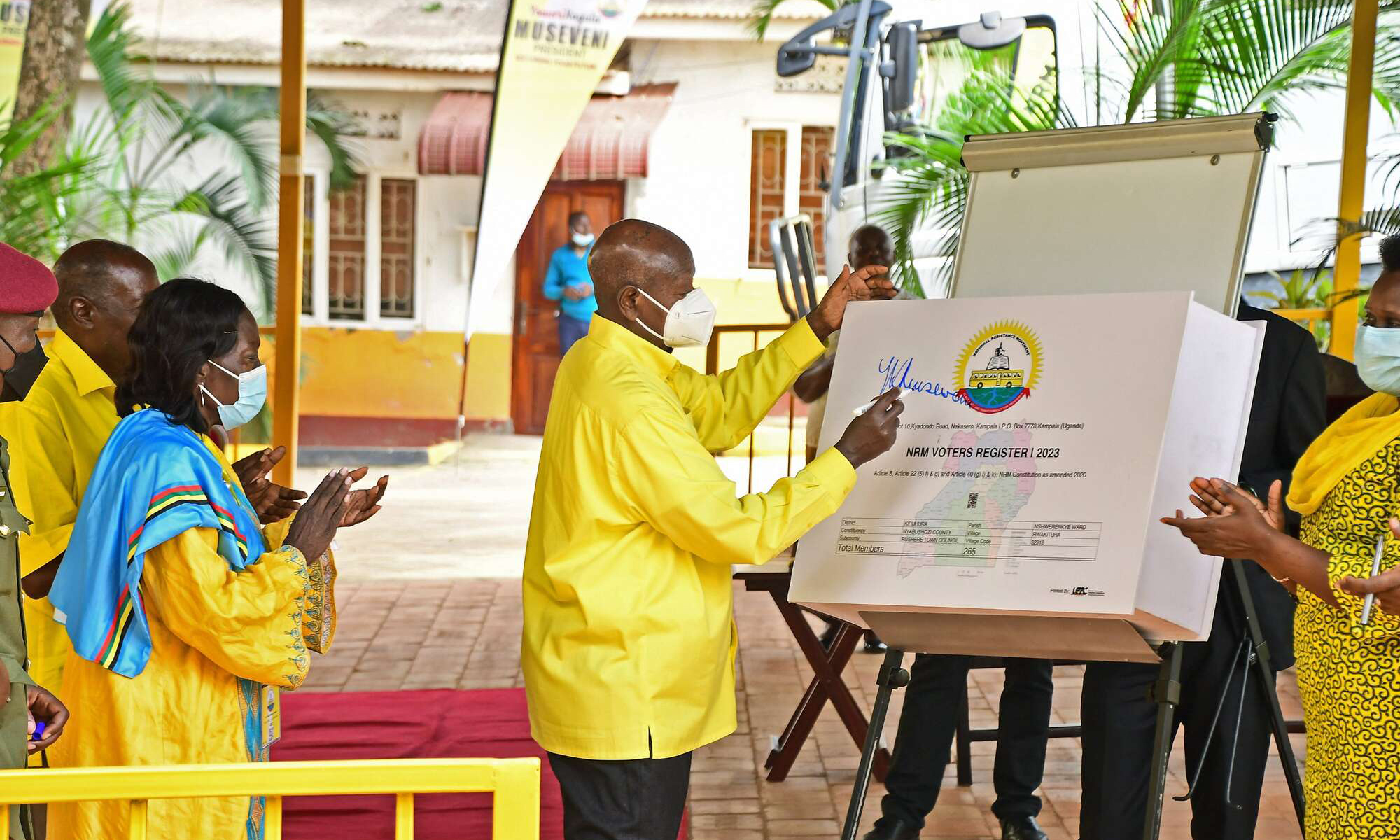
At first glance, it seems shocking: if 400 out of 500 registered voters in a village appear in the NRM Yellow Book, how can the President receive only 150 votes? The question has puzzled party mobilizers, analysts, and even some district chairpersons.
But beneath the surface lies a mix of political behavior, local realities, and structural weaknesses that reveal the difference between nominal loyalty and actual support.
1. Nominal vs. Active Support
Many Ugandans register as NRM members for pragmatic rather than ideological reasons. Being on the Yellow Book sometimes signals a social or economic survival strategy, not necessarily conviction.
Some villagers sign up simply because the NRM is the ruling party and controls access to government programs such as PDM, Emyooga, or Youth Livelihood Funds. “When the parish chair calls a meeting, people rush to sign up, not out of love for the party, but to avoid being left out,” says a grassroots mobilizer in Kamuli.
But when it comes to voting, private dissatisfaction or personal conviction takes precedence. Inside the ballot box, many exercise quiet independence, splitting their vote or abstaining altogether.
2. Local Discontent and Unfulfilled Promises
Voters might express silent protest when promises remain unmet. Poor roads, unfinished classrooms, or persistent unemployment can turn even loyal party members into skeptics.
In rural districts where basic services lag behind, citizens often view voting as their only language of protest. “They may not attend opposition rallies,” one district youth chair confides, “but they use the vote to say ‘we are not happy.’”
This disconnect between national rhetoric and local delivery weakens turnout and trust.
3. Internal Divisions and Factionalism
In many villages, the 30 or so NRM officials who are supposed to mobilize votes are themselves divided; by personality clashes, competition for recognition, or disputes over project allocations.
These rivalries breed mistrust, discourage coordination, and sometimes lead to silent sabotage, where one faction refuses to campaign for another. Factionalism often means fewer door-to-door visits, less voter follow-up, and a disorganized message — leaving room for opposition candidates to appear more united and relatable.
4. Complacency and Poor Mobilization
Strongholds can easily become comfort zones. When the ruling party assumes automatic victory, mobilization weakens. Some local leaders fail to remind voters to verify names, organize transport, or show up early on polling day.
Meanwhile, opposition candidates actively visit villages, listen to grievances, and attend community events; creating emotional bonds that sway even soft NRM supporters. By the time the NRM wakes up, the opposition has built trust through visibility.
5. Voter Turnout and Apathy

A key factor is turnout, not just allegiance. Out of 400 NRM members, perhaps only 250 show up to vote. Of those, a portion spoil ballots, abstain, or split their votes.
Barriers such as long distances to polling stations, fatigue, mistrust in electoral fairness, or poor voter education reduce participation.
Meanwhile, motivated opposition supporters may vote in full force, outweighing the ruling party’s numerical advantage.

6. Candidate-Specific Preferences
Not every voter distinguishes the NRM brand from its individual candidates in the same way. Some admire the President but dislike the local MP candidate, or vice versa. Others vote NRM at LC level for practical reasons (access to government programs) but choose a different presidential candidate whom they perceive as more visionary or relatable.
This split-ticket voting reflects the maturity of Uganda’s electorate — loyalty to ideas or personalities over strict party identity.
7. Vote Buying and Last-Minute Shifts
Election periods are also defined by transactional politics. Short-term gifts, emotional appeals, or symbolic visits by rival candidates can shift loyalties overnight. Even Yellow Book members can switch sides when a competitor offers empathy, a visit to a sick relative, or simply the dignity of being listened to.
This simply reaffirms the notion that political loyalty is fluid; respect, presence, and truth often outweigh money or slogans.
The Bigger Picture: What NRM Must Do
The gap between registration and actual votes signals a trust deficit between the party’s grassroots structures and ordinary voters. It is not necessarily rejection, but rather a warning that registration alone does not equal conviction.
For the NRM to close this gap, mobilization must start from within. “The 400 members in the Yellow Book, including the 30 officials, must be the first targets of re-engagement,” says Waiswa Michael Balue. “When their enthusiasm is revived, they become multipliers of belief and turnout.”
He suggests village-level dialogue meetings, internal audits of inactive members, and continuous communication on what the government has actually delivered — not what is promised.
If these issues are tackled early, the party can restore confidence and translate numerical registration into real votes. “Once trust is rebuilt and unity restored,” Balue adds, “the President’s support will easily exceed 80% nationwide — not because of registration, but because of conviction.”
The writer is Office of National Chairman (ONC) Coordinator for Buyende District in Busiga Subregion!
If you would like your article/opinion to be published on Uganda’s most authoritative news platform, send your submission on: [email protected]. You can also follow DailyExpress on WhatsApp and on Twitter (X) for realtime updates.