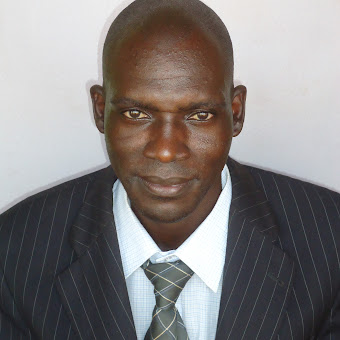
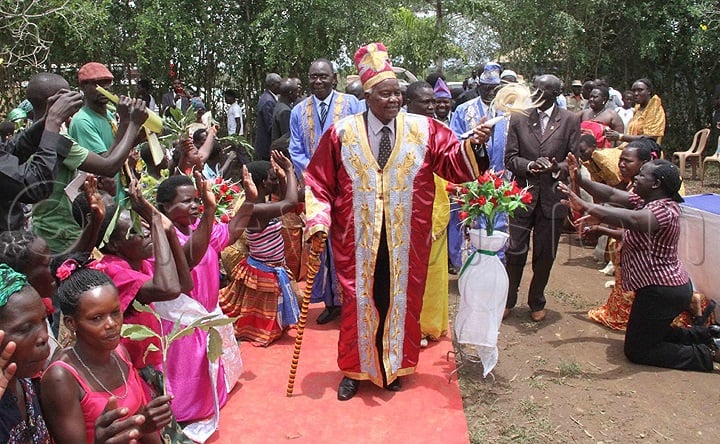
Lira, Uganda: The passing of Mzee Yosam Odur Ebii, the former Paramount Chief (Won Nyaci me Lango) and longtime leader of the Lango Cultural Foundation (LCF), marks the end of an era for the Lango people and Uganda’s traditional leadership landscape.
He died at the age of 99 at Lira University Teaching Hospital on Monday morning, after spending nearly two weeks under medical care. According to the Lango Cultural Foundation’s Prime Minister and Inomo Clan head, Mr Fredrick Ogwal Oyee, Mzee Odur passed on peacefully at around 4:20 a.m.
“Mzee Odur has been in and out of hospital for some time. We ask the community for patience as we consult the royal family and the council of elders on funeral arrangements,” said Ogwal.
Early Life and Family
Born in the mid-1920s in the Lango sub-region of northern Uganda, Yosam Odur Ebii grew up during a time of profound political and social transition. Public records, including Uganda’s Pocket Handbook (2021–22), list him among the country’s recognized cultural leaders under the title “Won Nyaci me Lango.”
He was married to Imat Victoria Agong Odur-Ebii, who passed away in September 2011 at the age of 78. Together, they raised a family grounded in Christian faith and cultural pride.
Mzee Odur’s early life was shaped by traditional community service, where he earned a reputation for honesty, integrity, and fairness—values that would define his leadership for decades to come.
Rise to Paramount Chief
In 2003, after consultations among the Council of Clan Heads (Owitong), Yosam Odur Ebii was unanimously elected as the Won Nyaci (Paramount Chief) of the Lango Cultural Foundation—reviving the Lango institution after decades of dormancy following Uganda’s 1967 abolition of traditional kingdoms.
His enthronement in Apac District symbolized a new dawn for the Lango people, combining ancestral heritage with a renewed commitment to unity, peace, and modernization.
“Our culture is our identity. This foundation will strive diligently to ensure that our traditions, values, and heritage are preserved, celebrated, and transmitted to the younger generation,” Mzee Odur declared at the opening of the LCF headquarters in Lira City.
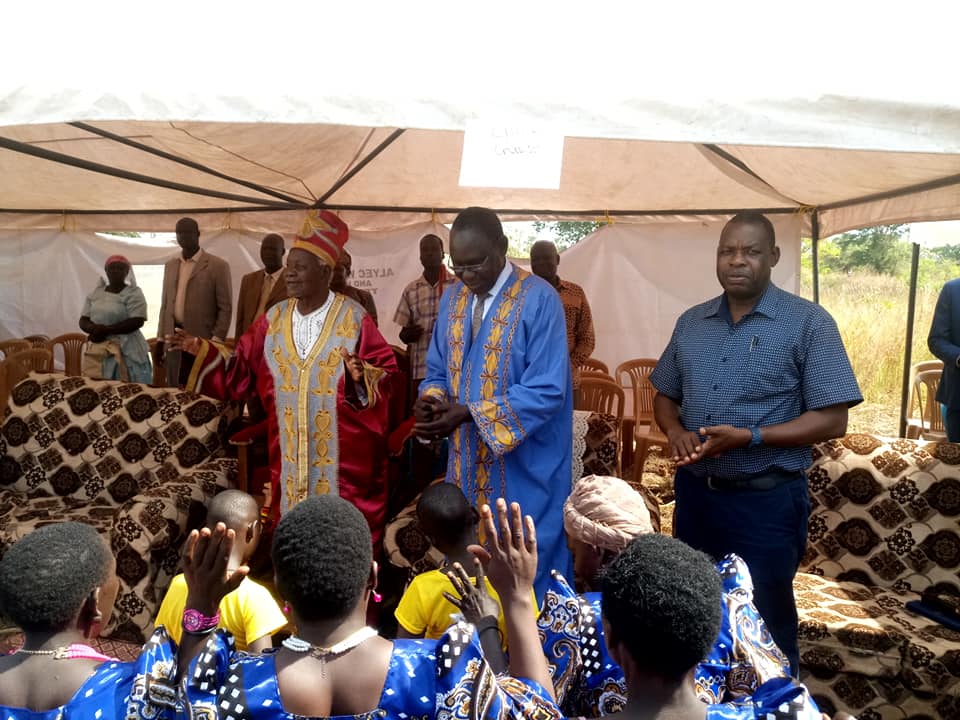
Over his two-decade reign, Mzee Odur transformed the Lango Cultural Foundation into one of Uganda’s most organized traditional institutions. His leadership was defined by quiet diplomacy, humility, and a deep devotion to peace.
Cultural Preservation and Development
He oversaw the documentation of Lango traditions, clan structures, and language preservation initiatives. The Foundation’s Strategic Plan (2021–2025) recognized him as a visionary leader focused on building “an effective cultural institution grounded in integrity, creativity, and innovation.”
A peacemaker by nature, Odur often intervened in local disputes, clan conflicts, and leadership wrangles. His calm demeanor and moral authority earned him respect even among political figures.
“He never raised his voice in anger,” said Mzee Wacio Dicken Olak, Minister of Lands under LCF. “Even in tense moments, he reminded us that peace was the strongest pillar of our identity.”
Under his watch, the Foundation established permanent offices in Lira City, initiated cultural education programs for youth, and strengthened collaboration with government and development partners.
Challenges and Leadership Controversies
Despite his towering influence, Mzee Odur’s reign was tested by internal divisions. In later years, a rival faction known as Tekwaro Lango, led by Eng. Moses Michael Odongo Okune emerged, triggering a split within the cultural establishment.
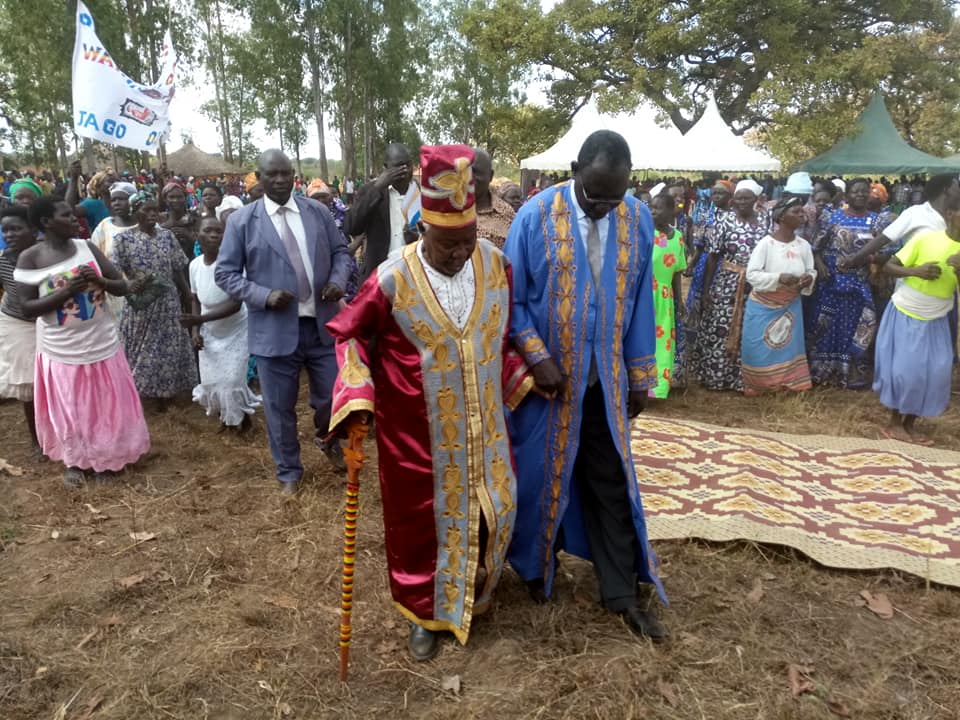

Rather than respond with hostility, Odur consistently advocated for dialogue and reconciliation. In October 2024, he welcomed a High Court ruling intended to resolve leadership disputes, calling it a “chance for renewal and unity.”
“The Paramount Chief’s passing should unite, not divide us,” said Prime Minister Ogwal Oyee. “He always believed peace was stronger than power.”
Succession Planning and Retirement Roadmap
In October 2023, acknowledging his advanced age, Mzee Odur released a succession roadmap outlining plans to hand over office by December 2024. The document guided the LCF’s Electoral Commission to organize elections for a new Won Nyaci and included cultural tours across Lango to strengthen unity ahead of transition.
The roadmap also proposed a visit by the Kabaka of Buganda and Omukama of Bunyoro to Lango, commemorating the historic sheltering of Kabaka Mwanga and Kabalega by the Lango people during their resistance against colonial rule.

It was a carefully considered plan that reflected his lifelong commitment to institutional continuity and peaceful leadership transfer.
Health and Final Days
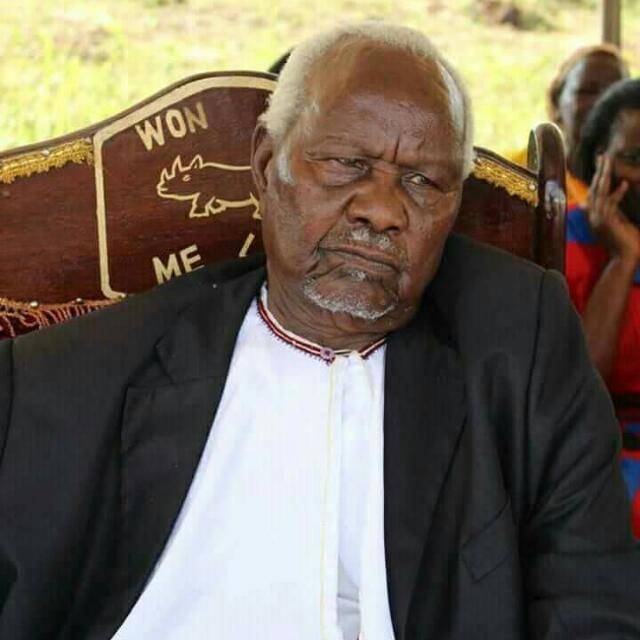
Mzee Odur’s health had declined steadily in his later years. He was first hospitalized at Lira University Teaching Hospital in 2020 and later referred to Mulago National Referral Hospital for treatment. In early 2024, he was admitted again with complications from fatigue and infection but showed remarkable resilience.
His passing at 99 years old was described by mourners as “the fall of a great tree whose roots will continue to nourish the forest.”
“When a great tree falls, the forest stands still, but its roots remain,” said Rev. Peter Ekol, one of the mourners outside Lira University Hospital. “That is how Mzee Odur will live on in us.”
For the Lango, Mzee Yosam Odur Ebii symbolized continuity, tradition, and wisdom. His reign bridged generations, from the colonial era to modern Uganda, and his moral guidance anchored Lango identity in a rapidly changing society.
He promoted the concept of “Tekwaro Lango” (the unity and future of Lango culture), urging young people to cherish their heritage while embracing innovation and education.
Despite institutional challenges, Mzee Odur’s leadership left behind a solid framework for future cultural leaders and a moral lesson in humility, service, and peacebuilding. “He was not just a cultural leader,” said Tom Okwir Angol, LCF Minister of Works. “He was a father, a reconciler, and a teacher. His words built bridges where politics built walls.”
Funeral and Cultural Rites
The Lango Cultural Foundation is organizing a special council of elders (Owitong) to coordinate burial arrangements in line with Lango traditional customs, which emphasize respect, dignity, and collective mourning.
The Ministry of Gender, Labour and Social Development, which oversees traditional institutions, is expected to participate in the funeral alongside government officials and cultural delegations from across Uganda.
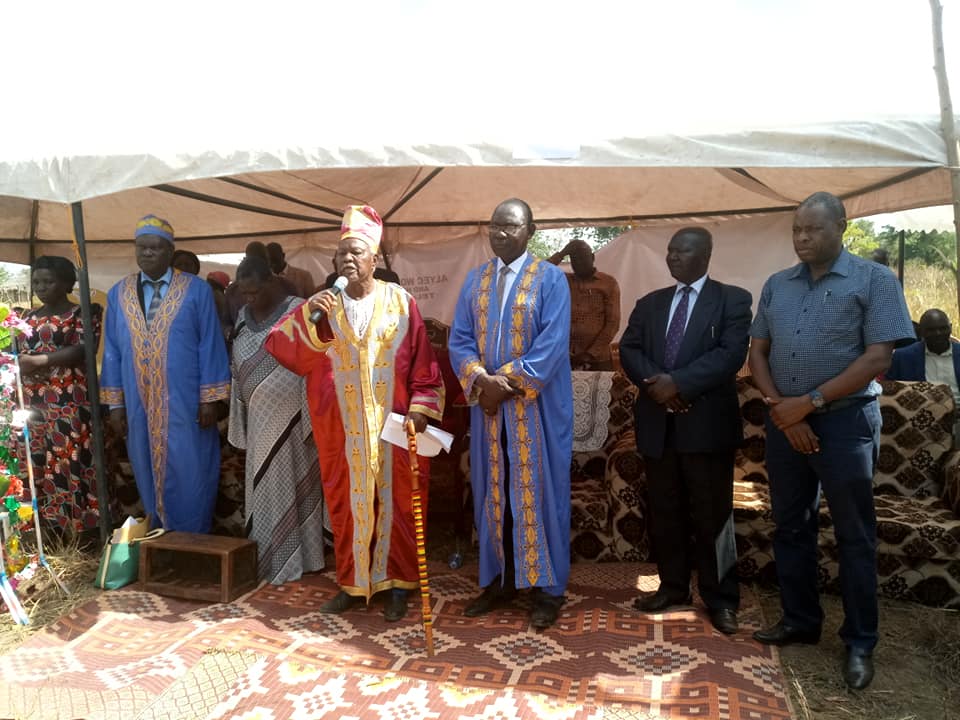
Even in his final message, Mzee Odur called upon the people of Lango to embrace peace, “Kuc ki yotkom”, and resist division. His passing leaves a void in Uganda’s traditional leadership but also a challenge to his successors: to unite, not divide; to serve, not rule.
As evening fell over Lira City, mourners sang traditional hymns and carried opobo branches, symbols of peace, outside the hospital mortuary. The Lango will remember him not just as a paramount chief, but as a moral compass and cultural father whose quiet wisdom shaped a century.
If you would like your article/opinion to be published on Uganda’s most authoritative news platform, send your submission on: [email protected]. You can also follow DailyExpress on WhatsApp and on Twitter (X) for realtime updates.