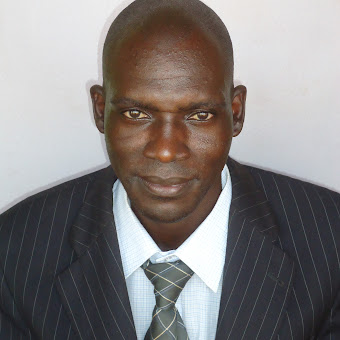
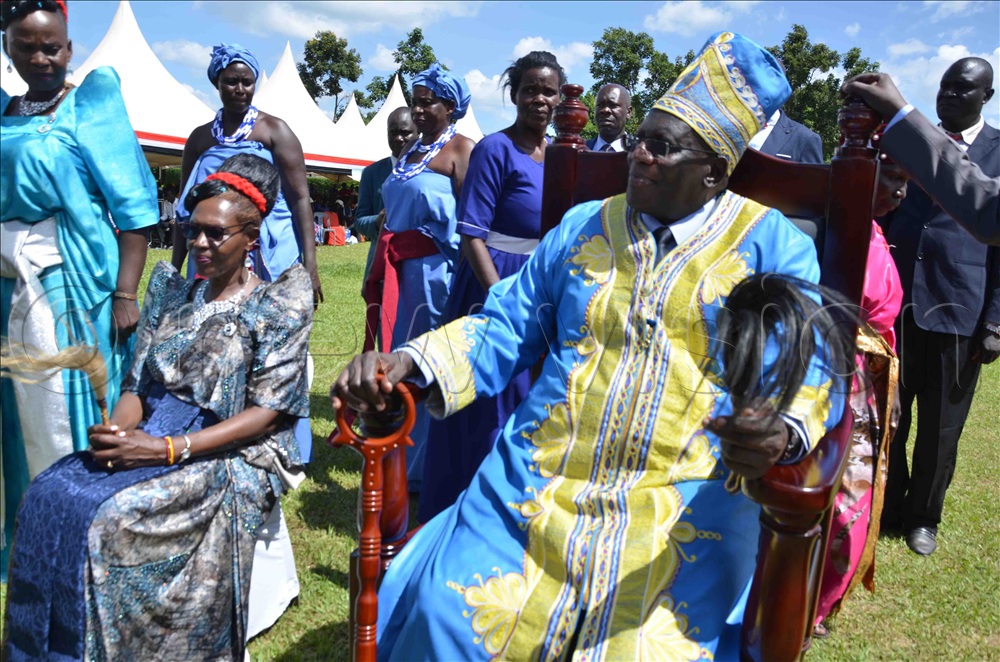
Lango- Uganda: The Lango Cultural Foundation has appointed Frederick Ogwal Oyee as interim Won Nyaci following the death of His Highness Mzee Yosam Odur Ebii, the long-serving Paramount Chief whose towering influence shaped the cultural, political, and moral landscape of northern Uganda for more than two decades.
The Foundation’s Prime Minister and head of the Inomo (Awitong) clan, Mr Fredrick Ogwal Oyee, was appointed by members of council a day after the death of their former leader, Mee Yosam Odur
Mzee Odur, 99, passed away at 4:20 a.m. on November 10, 2025, at Lira University Teaching Hospital, where he had been receiving treatment for nearly two weeks.
His death brings to a close a remarkable chapter in traditional leadership one defined by calm diplomacy, integrity, and a relentless commitment to unity among Lango’s vast network of clans.
Despite the institutional split, both sides often acknowledged the personal stature of Mzee Yosam Odur Ebii.
A cultural giant whose influence transcended the divide
Born in the mid-1920s, Odur rose through clan leadership during an era of political turbulence, when cultural institutions struggled for recognition following the abolition of kingdoms in the 1960s. His ascent to the throne in 2003 rejuvenated the Lango Cultural Foundation, giving it fresh visibility and authority at a time when many traditional institutions were fighting for relevance.
Soft-spoken yet firm in conviction, the late Paramount Chief wielded influence without theatrics. He was widely regarded as a custodian of reconciliation, a father figure whose counsel calmed feuding clans and whose presence commanded respect across the northern region.
“He embodied the living heritage of a people,” said one elder in Lira. “In him, we saw our past, present, and future.”
Under his stewardship, the Foundation invested in youth programmes, cultural renewal, and inter-clan harmony, ensuring that the identity of Lango remained intact even through periods of conflict and displacement.
Seven days of mourning declared
Following his passing, the Lango Cultural Institution declared a seven-day mourning period across all districts in Lango sub-region.
Paramount Chief Odongo Okune, who leads the broader Cultural Institution, directed clan leaders (Owitong) to suspend all cultural ceremonies, public festivities, and unrelated council meetings.
Clan flags are to be flown at half-mast, and community gatherings held solely to coordinate burial arrangements. “This is a time for collective comfort and unity,” Okune said in a statement. “I urge all people of Lango to remain calm, compassionate, and supportive of one another. Let us console the family and be one another’s keeper.”
Mzee Odur was known for his humility, diplomacy, and commitment to inter-clan peace. His approach won him admiration even among those aligned with Dr Okune’s parallel institution. He was a symbol of continuity, a calming force whose voice often transcended institutional boundaries and factional loyalties.
Government to accord official burial
The head of the Ogora Clan (Awitong) and former Buyende Resident District Commissioner, Mr Richard Ogwang Odyero, announced that the government will give Mzee Odur an official burial a rare honor reserved for national cultural icons.

“I am happy to announce that government will give the official burial to our former Won Nyaci,” Odyero said, adding that authorities are coordinating movement and security in preparation for the final send-off.
The late Paramount Chief will be buried on November 22, 2025, at his ancestral home in Teboke, Apac District.
Voices of tribute and reflection
Mourners from across the region cultural leaders, government officials, and ordinary citizens described Mzee Odur’s passing as the fall of a monumental pillar in Lango’s history.

Mzee Wacio Dicken Olak, Minister of Lands under the Lango Cultural Foundation, remembered him as a leader who chose peace over confrontation. “Mzee Odur never raised his voice in anger. Even in difficult moments, he reminded us that peace was the strongest pillar of our identity,” Mzee Olak
Mr Tom Okwir Angol, Minister of Works and Transport, said the late chief devoted his life to unity. “He worked tirelessly to unite our people. Even in old age, he travelled to villages to mediate disputes. His vision was a united Lango where young people respected culture and elders led with humility,” Tom Okwir Angol
Across Lira, Otuke, Alebtong, and Apac, ordinary citizens expressed shock at the passing of the man many regarded as a father of the community. “We have lost our father,” said 65-year-old Mama Grace Aciro of Adekokwok. “He stood for truth, and his words could calm quarrelling clans.”For the youth, his legacy is the moral compass they hope future leaders will emulate.
“He lived almost a century,” said John Bosco Okello, a youth leader in Lira City.
“We will miss his wisdom. Our hope is that those who succeed him will not divide us but keep his dream alive.”
Legacy of a century
At 99, Mzee Yosam Odur Ebii was one of Uganda’s oldest traditional leaders — revered not only for longevity but for his depth of wisdom, humility, and stabilizing influence. His life traversed colonial rule, political upheaval, insurgencies, and cultural revival, making him a living archive of Lango’s journey through time.
As the region prepares to lay him to rest, Lango stands united in grief but strengthened by the legacy he leaves behind a legacy built on peace, dignity, and the unshakable belief that culture is the soul of a people.
Two parallel cultural Institutions: A divided house
For over a decade, Lango has operated under two separate cultural institutions:
1. Lango Cultural Foundation (LCF): Led by the late Mzee Yosam Odur Ebii, the Foundation is the older of the two structures and has deep roots among several clans. Odur, who restored cultural leadership in the early 2000s, was viewed by his supporters as the legitimate traditional authority and custodian of Lango heritage.
2. Lango Cultural Institution (LCI): Led by Eng Dr Micheal Odongo Okune, this institution emerged after internal disagreements among clan leaders who sought reforms in governance, accountability, and leadership succession. Dr Okune, elected by his faction of the cultural council, has also been widely recognized by segments of the community and by several government officials.
This parallel leadership has long contributed to ideological tensions, competing gatherings, and divided loyalties. With the passing of Mzee Odur, elders and leaders now face renewed questions over whether Lango should finally move toward unity or continue on this dual leadership path.
If you would like your article/opinion to be published on Uganda’s most authoritative news platform, send your submission on: [email protected]. You can also follow DailyExpress on WhatsApp and on Twitter (X) for realtime updates.