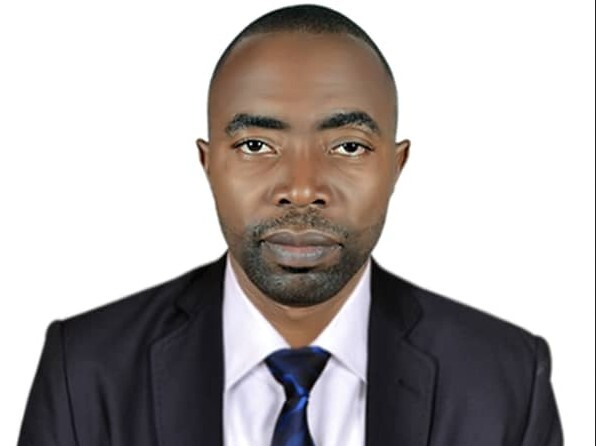
By Ben Ssebuguzi
Tanzania is one East African country which many democracy lovers and activists have been benchmarking as a case study of constitutional change of leaders without studying the underlying challenges that led to the rise of ugly scenes during the post-election violence and protests where hundreds of people died on top of affecting businesses.
Everyone’s concern at the moment is: what led to the violence by the Gen Zs in Tanzania in the middle of the elections of 29th October 2025? It should be remembered that Tanzania was described as “exceptional” in terms of changing leaders, starting with their founding father Julius Nyerere to Samia Suluhu who succeeded the late Magufuli.
When you make a comprehensive study, you will realize that everywhere these large-scale protests have emerged is partly due to the arrogance of leaders who fail to adapt to fresh ideas and perspectives that embrace young people through policy and informal practices. President Museveni went a long way to delegate his Office of the National Chairman (ONC) to address youth concerns through bankrolling our self-help ONC empowerment tools program.
Hajjat Hadijah Namyalo, who manages ONC, has been a critical figure in engaging youths of different calibers such as ghettos and other deprived youths with wealth creation support tools such as grinding machines, sewing machines, bricklaying machines, among others.
Lately, she is combing all places of work like markets, industries, roadside stalls, among others, by listening to their concerns for future action plus initiating dialogue which has narrowed the gap between the youths and the party in power, NRM.

In light of the above, Namyalo’s good and resilient impact of the ONC empowerment tools program has demonstrated powerful evidence of the practice of value in the region, hence becoming a benchmark in East Africa.
President William Ruto recently opened gates of State House for youths through his empowerment tools program called the Nairobi Empowerment Tools Program, similar to that of ONC, in order to embrace youths. This comes in the aftermath of the Kenya protests which took place on 25th June 2025.
President Yoweri Museveni used affirmative action in the Parish Development Model to address inequalities and injustices in order to give preferential treatment to youths and women, which has helped to incorporate many youths to engage in production and wealth creation.

Additionally, President Museveni’s establishment of 18 industrial hubs countrywide is also intended to incorporate more youths into vocational skills, which is supposed to be an engine of entrepreneurship growth and industrial development to create more opportunities for youths.
It should be noted that Gen Zs are synonymous with high political awareness, often demonstrated through activism and protests whereby, if you can’t incorporate them in your governance structures, they tend to disrupt the status quo. Therefore, forgetting or leaving out youths in the national development framework will not guarantee a sustainable transfer of leadership.
In summary, the Gen Zs want action-oriented leadership that addresses unemployment, systemic corruption, inequality, and injustices through inclusive youth participation like at ONC, long-view leadership, effective communication, and dialogue. Without concrete remedies, transfer of leadership will not constitute value, hence affecting healthy democratic processes.
The writer is the Head of Research, Office of the National Chairman of NRM.
If you would like your article/opinion to be published on Uganda’s most authoritative news platform, send your submission on: [email protected]. You can also follow DailyExpress on WhatsApp and on Twitter (X) for realtime updates.