

Kampala, Uganda: Uganda is strategically positioning itself to lead the next wave of intra-East African Community (EAC) trade integration, according to Oscar Kamukama, Uganda’s Representative to the East African Business Council (EABC) Board of Directors.
Speaking to DailyExpress on the sidelines of the 29th Annual General Meeting of the Private Sector Foundation Uganda (PSFU) at Serena Kampala Hotel on Tuesday, Kamukama said Uganda is ready to champion deeper economic collaboration within the region.
“Uganda’s growth is tied to regional growth. When East Africa trades more with itself, all our economies rise, and Uganda is ready to champion that agenda,” he said.
Kamukama noted that Uganda’s geographical advantage places it at the centre of regional commerce, linking major markets across Kenya, Tanzania, Rwanda, Burundi, South Sudan and the Democratic Republic of Congo (DRC).
Citing ongoing investments in key road corridors, Kamukama said cross-border digital systems and regional rail infrastructure are crucial in lowering transport and logistics costs. “Uganda is the bridge that keeps East Africa moving. We are modernizing infrastructure and digital systems to ensure goods move faster, cheaper and more reliably across the region,” he stated.
Fighting Bottlenecks to Unlock Trade Growth

Within the EABC, Uganda continues to push for reforms that address persistent Non-Tariff Barriers (NTBs), fragmented product standards and unpredictable cross-border regulations – issues Kamukama said continue to constrain business competitiveness.
“The private sector needs efficiency, not complexity. It needs harmonization, not fragmentation. Uganda is pushing for a regional business ecosystem that enables firms to scale across borders without friction,” he emphasized, adding that with a regional market exceeding 300 million people, the EAC “cannot afford regulatory or political hurdles that slow down integration.”
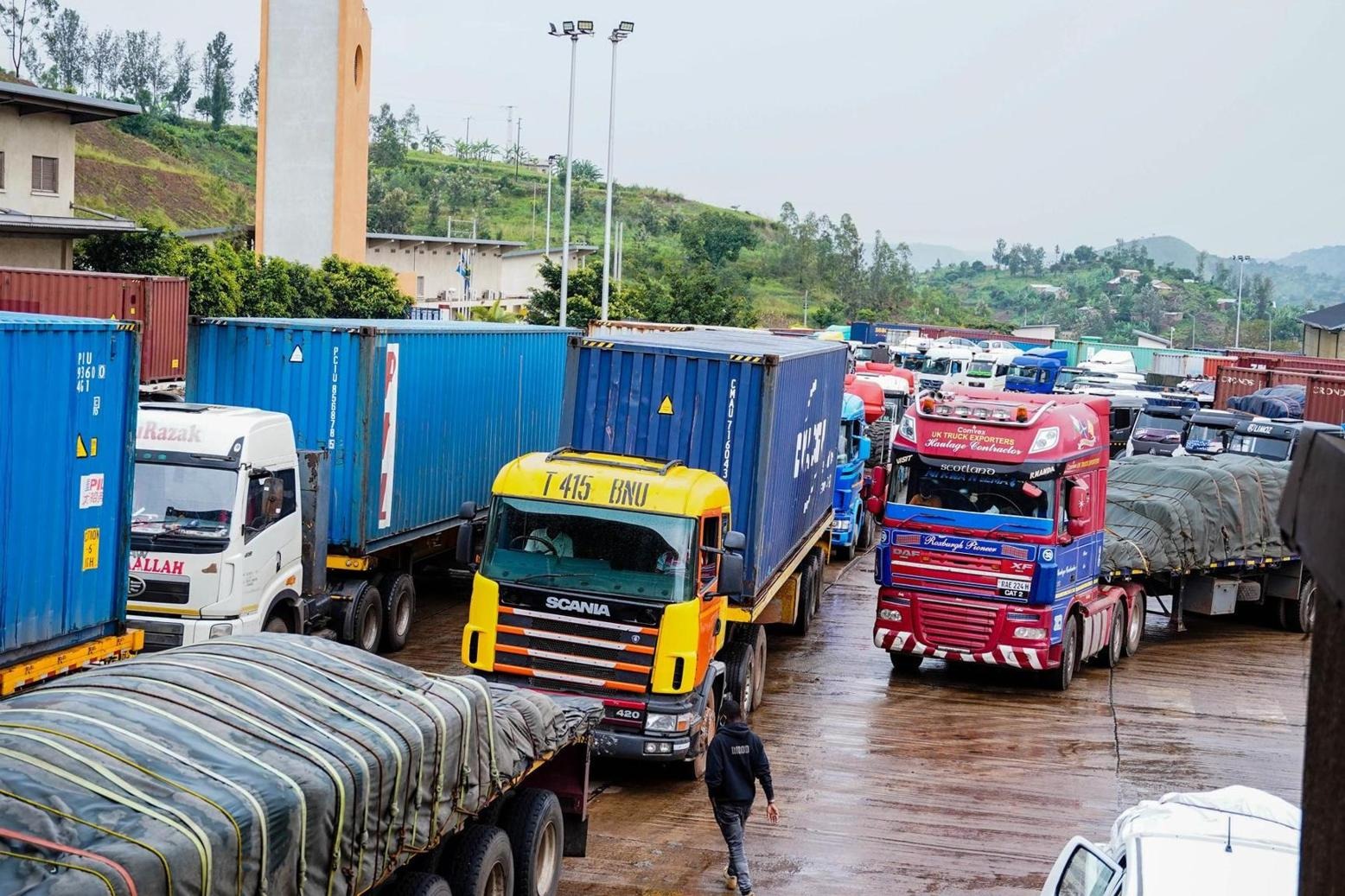
Kamukama says Uganda’s manufacturers, agribusiness exporters, logistics firms and service providers are increasingly establishing their footprint in neighbouring markets. “Our businesses are competitive, they are innovative, and they are ready to lead. What they require is a unified regional market, and that is exactly what we are fighting for at the EABC,” he noted.

High-Value Opportunities for Ugandan Entrepreneurs
Kamukama highlighted several growth sectors where Uganda enjoys a comparative advantage and where immediate opportunities exist across the region: These include;
- Agriculture & Agro-processing – Supplying grains, dairy, poultry, fruits, vegetables and processed foods.
- Manufacturing – Steel, cement, packaging, pharmaceuticals, plastics, textiles, FMCGs.
- Logistics & Transport Services – Trucking, warehousing, cold-chain solutions, freight and e-commerce distribution.
- Tourism & Hospitality – Cross-border tourism packages under the revived single-tourist visa.
- ICT & Digital Services – Fintech, software, digital payments, e-learning, digital commerce.
- Construction & Real Estate – Massive reconstruction projects in DRC and South Sudan.
- Professional Services – Accountancy, legal, engineering, consultancy and medical expertise.
“The opportunities are not theoretical; they are real, they are accessible, and Ugandan entrepreneurs are already tapping them. We must scale up, formalize and exploit the full breadth of the EAC market,” Kamukama said.
The EABC boss urged the region to deepen value addition, strengthen internal trade and consolidate industrial capacity. “The time for half-measures is over. East Africa must trade more with itself, create more within itself and grow faster together. Uganda is not just participating, we are steering this transformation,” he affirmed.
Kamukama concluded by pledging Uganda’s continued collaboration with partner states, private sector actors and regional institutions to build a more seamless, resilient and competitive EAC trading bloc.
If you would like your article/opinion to be published on Uganda’s most authoritative news platform, send your submission on: [email protected]. You can also follow DailyExpress on WhatsApp and on Twitter (X) for realtime updates.