By Oweyegha-Afunaduula
Conservation Biologist
Center for Critical Thinking and Alternative Analysis
29 November 2025
The term Foot Soldier is an army slang for infantry soldiers, meaning those who go on patrol or soldiers who serve on foot, in the language of the army, called infantrymen.
The term Foot Soldier became associated with the struggle against the segregative apartheid system, which encouraged separate development based on ethnicity. Under the system, people of black descent were not allowed to own or rent land, own property, or engage in any kind of leadership at the national or regional level. They were to be led and governed by the racist whites.
Besides, they were not to be educated or seek health services in the same schools or health centres that whites sought services. In fact, the whites created areas in ecologically poor regions they called homelands, and which they gave sham independence.
Those measures were very degrading for the Africans who naturally began a sociopolitical struggle to free themselves from the oppressive apartheid system. Along the way, the concept of Foot Soldier became integrated into the struggle for freedom and equality.
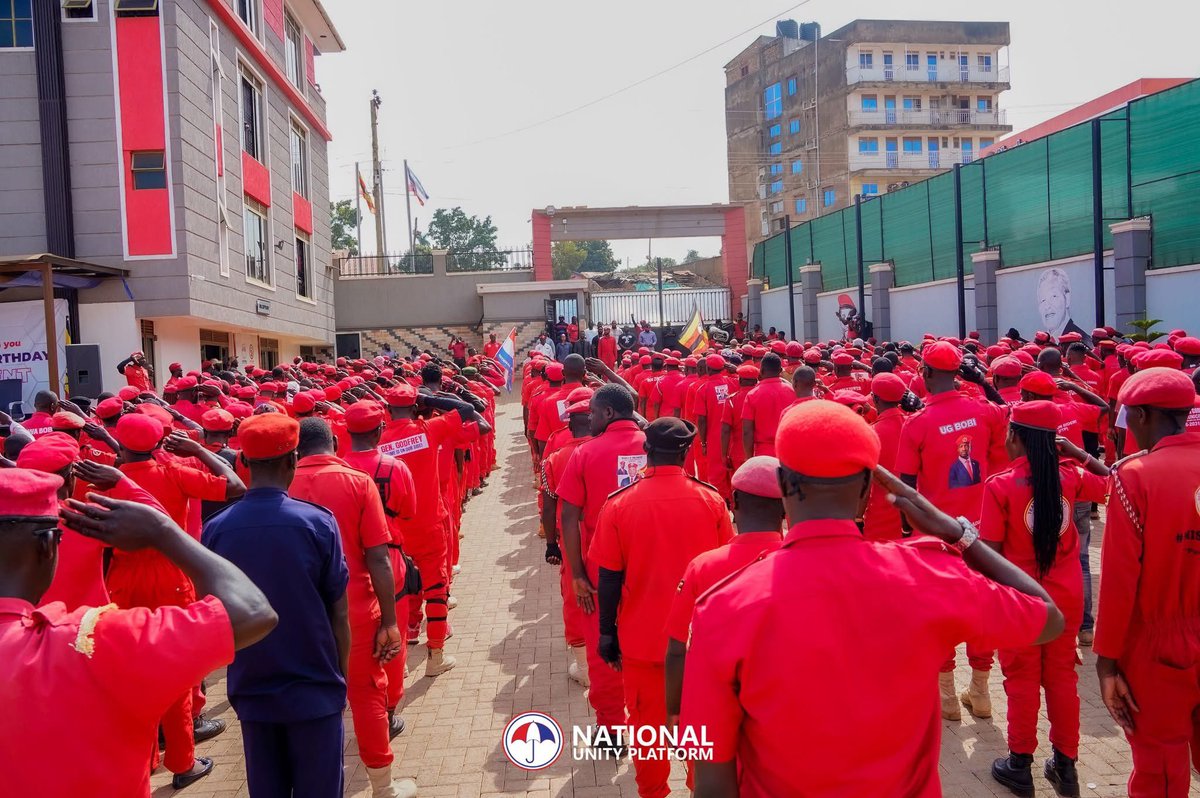
The term Foot Soldier is now very well known in Uganda. It is associated with Kyagulanyi Ssentamu alias Bobi Wine and his political party called National Unity Platform (NUP).
Kyagulanyi has cast the term Foot Soldier onto the Ugandan political landscape as a rallying concept for recovering the sovereignty, citizenship and independence of Uganda.
The general thinking, belief and conviction among the generally young people is that the current rulers of Uganda captured everything from the indigenous people, including the right to govern themselves and their sovereignty, citizenship and independence.
They have seen their economic and social bases captured by people of foreign origin. They have seen themselves becoming slaves in their own country or in foreign lands, especially in the Middle East.
Kyagulanyi introduced the foot soldier idea to organize the youth of Uganda against what he calls the oppressor, and for “freedom for all” including those he says are in chains within the oppressive system, serving to sustain the system but exploited. He cites a soldier or policeman that guards or protects a member of the oppressive system who earns UGX 60,000,000/- a month from harm while he gets only UGX 500,000/- a month. The one who earns the 60m shillings is most likely of external origin. He likens the situation to what existed in racist South Africa.
But historically, what is the genesis of Foot Soldier?

Originally from Central Asia, the term Foot Soldier was introduced to South Africa by Arab leaders nearly 1000 years ago. The Black South Africans adopted it as the best strategy and tool with which to organize and wage the struggle for freedom and self-determination.
It worked, but the struggle cost a lot of lives while thousands were incarcerated or maimed by the racist police. However, the struggles were not deterred. Finally, apartheid crumbled in the early 1990s and South Africa got its first black President since 1910 when the country got its political independence from the British colonialists.
Let me end this article with a few lines on Solomon Kalushi Mahlangu, a South African freedom fighter who was the first foot soldier in the country and was hanged on 6 April 1979, at the age of 22, because of his leading role against the racist regime as a foot soldier. He was accused of killing two people, two counts of attempted murder, and various counts of sabotage under the Terrorist Act of 1967. The white judge found him guilty on all counts and sentenced him to death. However, before pronouncing the sentence, in the presence of his parents, the judge asked him if he had anything to tell the Court.
Mahlangu said:

- “All we want is freedom and equality. You will kill us but you will not finish us.”
- “There will be more foot soldiers after you have killed me.”
- “No army, no police, no dogs will stop the wave of revolution.”
- “We shall free ourselves and even free you, judge, so that you can make your judgements according to the law, not what others want you to do in their own interest.”
He then turned to his parents and others in the Court, and said: “Tell my people that I love them. They must continue to fight. My blood will nourish the tree that will bear the fruits of freedom.”
In that year when Mahlangu was hanged, a total of 133 people were hanged by the racist regime.
Kyagulanyi’s Foot Soldiers
Kyagulanyi’s party, like the African National Congress (ANC), which assembled numerous foot soldiers, has assembled many foot soldiers.
Very many have been arrested under the NRM’s own Terrorism Act of 2002. Many have spent many years in prison, while others have been tortured to dissuade them from their political beliefs. Others have been convinced to abandon their cause and given presidential pardon of the crimes imposed on them by the regime.
The question is: How effective will Kyagulanyi’s Foot Soldiers Movement be as a revolutionary vanguard of change in Uganda as time goes on?
For God and My Country.
If you would like your article/opinion to be published on Uganda’s most authoritative news platform, send your submission on: [email protected]. You can also follow DailyExpress on WhatsApp and on Twitter (X) for realtime updates.