
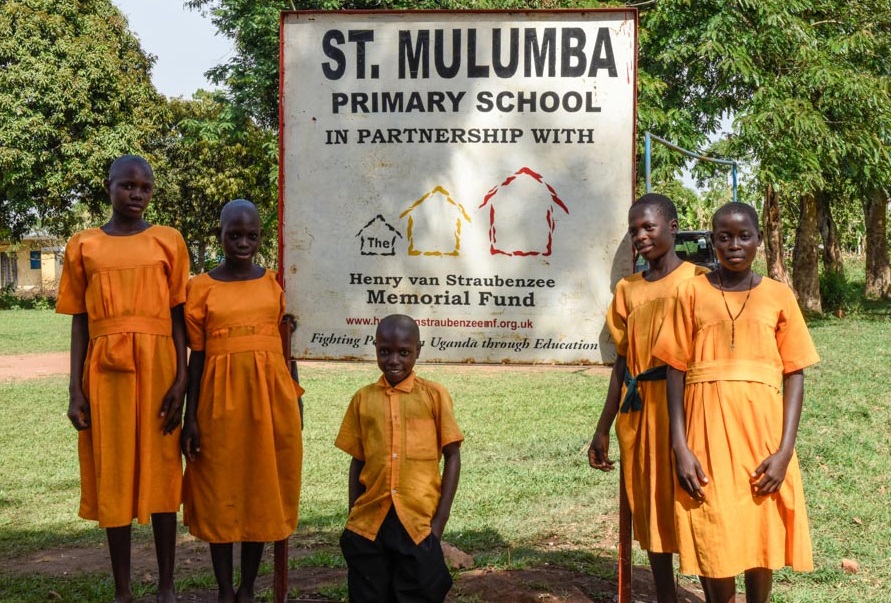
According to the report titled Are Our Children Learning?, most Primary Three pupils were unable to do work expected at Primary Two level.
Kamuli, Uganda: A new learning assessment has revealed alarming gaps in foundational literacy and numeracy among children in Kamuli District, with the majority of Primary Three pupils unable to perform Primary Two–level reading and counting tasks.
The findings are contained in the 2025 Uwezo Uganda learning assessment report, produced in partnership with Uganda Development Services (UDS). The survey, conducted in August 2024 and released to district officials today, assessed 796 children aged 4 and above from 300 households, and included visits to 15 schools across Kamuli.
According to the report titled Are Our Children Learning?, most Primary Three pupils were unable to do work expected at Primary Two level. Even by the end of the primary cycle, a worrying percentage of learners still failed to meet Primary Two reading proficiency. Gender differences were found to be minimal.
The assessment also examined children’s early childhood experiences. It found that while a slight majority in Kamuli had attended two or more years of pre-primary education, 20% had never attended pre-primary at all.
Uwezo emphasized that across Uganda, attending two or more years of pre-primary significantly increases a learner’s chances of achieving reading and mathematics proficiency.
The survey further revealed cracks in learner progression despite the government’s automatic promotion policy. Thirteen percent (13%) of children surveyed had not progressed to the next class, highlighting challenges in grade-to-grade transition.

Classroom conditions in the sampled schools also raised concern. The pupil–teacher ratio stood at 54:1, far above the national target, with the highest ratio recorded at 78:1. Teacher absenteeism emerged as another major challenge: on the survey day, 21% of teachers were absent, depriving learners of crucial instructional time.

Meanwhile, the report exposed gender disparities in school leadership. Only 4 out of 15 school leaders (headteachers or deputies) were female. School Management Committees (SMCs) reflected similar imbalances, with only 2 out of 15 SMCs chaired by women.
Presenting the findings, Mr. Ssebuliba Robert, Programme Manager at Uganda Development Services, urged district leaders to urgently address the gaps. “We hope that the district local government can use this report to bridge the gaps in the learning system of our children,” he said.

Representing the LCV Chairperson, Councillor Kitimbo Emmanuel Mberenge described the report as an eye-opener. “We shall use this report to monitor our education department. We want to see all teachers attend to pupils. However, I appeal to the central government to provide better accommodation for teachers,” he noted.
Kamuli Assistant CAO Mr. Mitala Moses pledged to follow up the report’s findings.
“Next year we shall follow up the report and see how our children can improve in their education,” he said.
The report places renewed pressure on Kamuli District to strengthen early learning, teacher supervision, and school leadership systems to improve learner outcomes.
If you would like your article/opinion to be published on Uganda’s most authoritative news platform, send your submission on: [email protected]. You can also follow DailyExpress on WhatsApp and on Twitter (X) for realtime updates.