
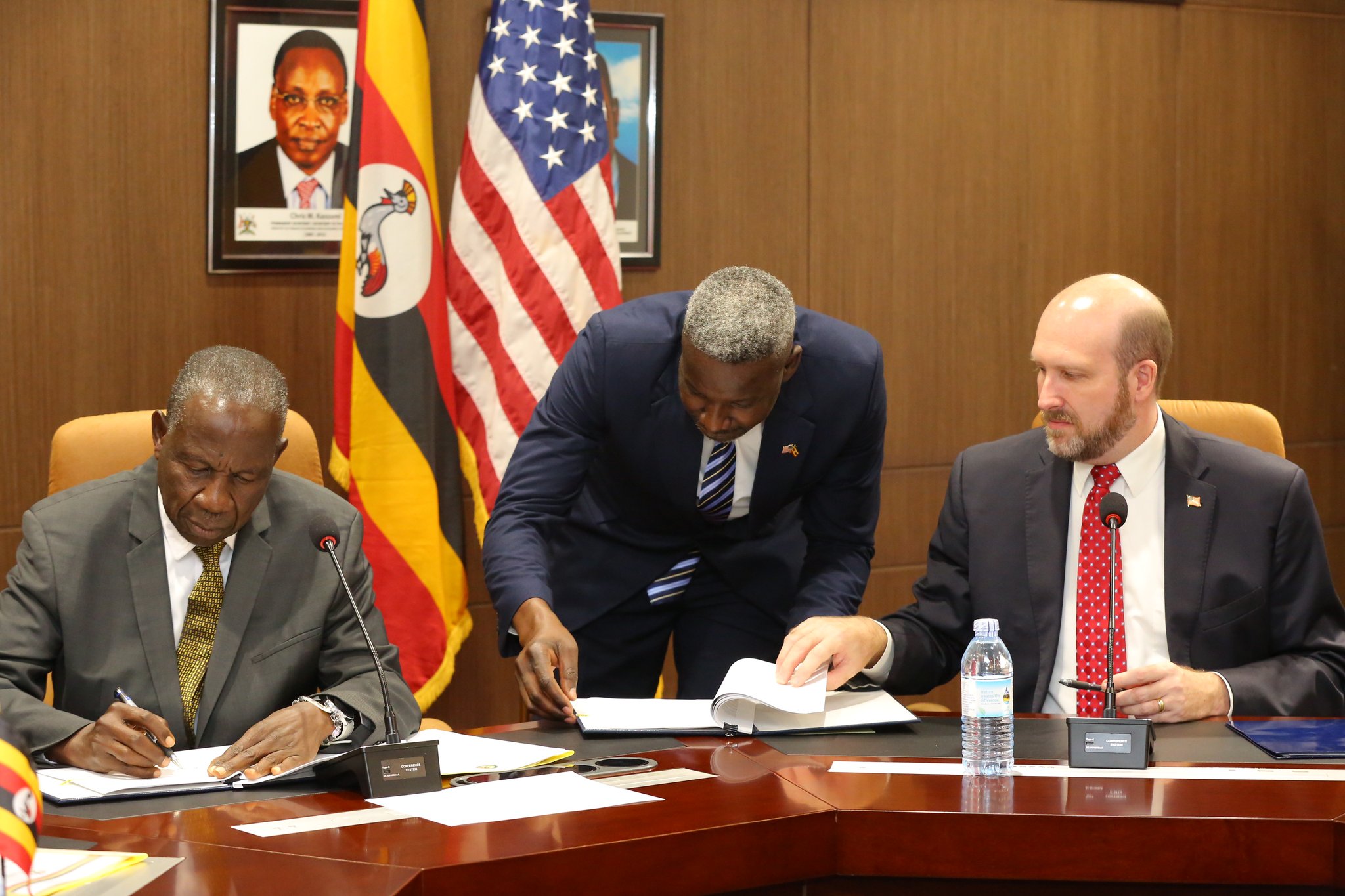
Kampala, Uganda: Uganda’s signing of a USD 2.3 billion health cooperation pact with the United States has been hailed as a milestone for the country’s disease response and health system strengthening, but analysts say the agreement also presents significant risks and unanswered questions for long-term sustainability.
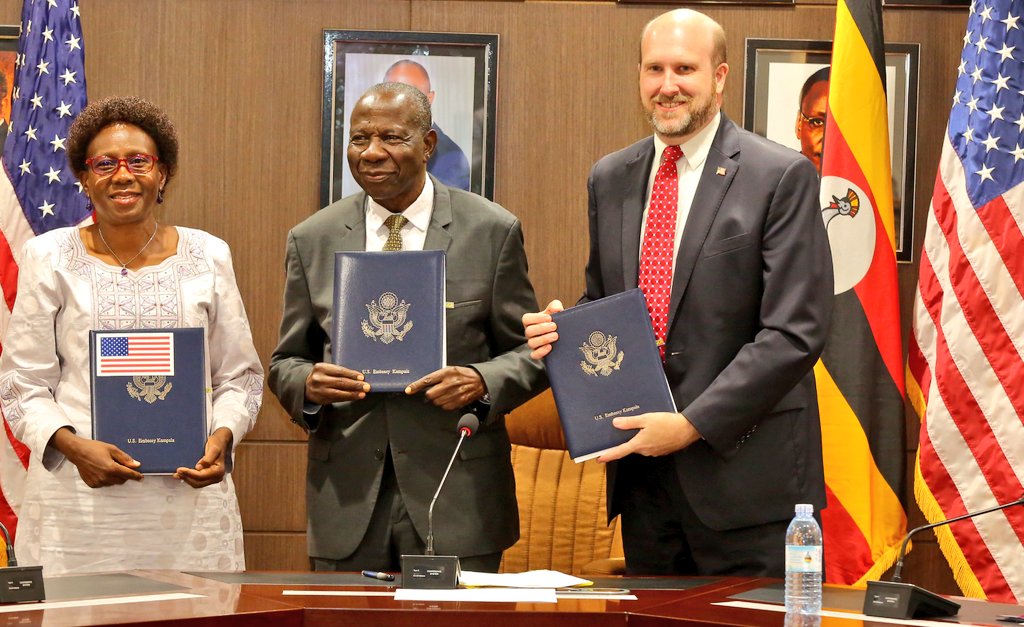
The five-year Memorandum of Understanding (MOU), signed by Finance Minister Matia Kasaija and U.S. Ambassador William W. Popp, commits the United States to provide up to USD 1.7 billion for Uganda’s priority health programmes, while Government pledges to increase domestic health spending by more than USD 500 million as it takes on greater financial responsibility.
The pact covers HIV/AIDS, TB, malaria, maternal and child health, polio eradication, global health security, emergency preparedness, human resources, disease surveillance and support for faith-based providers. Both governments describe the deal as a major shift toward self-reliance and stronger national systems.
Below are the key hits and misses inside Uganda’s new USD 2.3bn health pact.
THE HITS
1. Record-Level Financing for Health Programmes:
The agreement injects USD 2.3 billion into Uganda’s health sector—one of the most significant bilateral commitments ever made—supporting high-burden disease interventions and life-saving programmes nationwide.
2. Strong Push Toward Self-Reliance and Co-Investment:
Uganda’s required USD 500m domestic financing increase marks a deliberate shift away from donor dependence and positions Government to gradually assume ownership of essential health services.
3. Strengthening Supply Chain Systems
The MOU outlines a phased transfer of commodity procurement from U.S. agencies to Uganda, alongside investments to modernize national supply chains—, a critical step toward eliminating stockouts and improving distribution efficiency.
4. Formal Absorption of Frontline Health Workers
Thousands of U.S.-supported health workers will be mapped and transitioned onto the Government payroll, solving long-running staffing gaps and improving service continuity.

5. Major Investment in Digital Health and Surveillance
The pact commits heavy investment in Uganda’s health data systems, including electronic medical records, interoperability, and disease surveillance—improving outbreak detection and sector-wide decision-making.
6. Boost for Faith-Based Health Providers
Faith-based facilities, which serve a large portion of rural communities, will receive increased PHC grants, performance-based agreements, digitization support and community insurance backing.
THE MISSES
1. Uganda’s Ability to Absorb $500m in New Obligations Remains Unclear
The commitment requires a substantial surge in domestic health spending. Budget execution challenges, competing priorities and limited fiscal space may undermine Uganda’s ability to meet its obligations.

2. Risky Transition of Commodities and Payroll Responsibilities
As Uganda takes over procurement and health worker payments, any delays, governance failures or stock management weaknesses could jeopardize HIV treatment continuity, malaria control and maternal health outcomes.
3. Implementation Capacity Gaps
Digitization, data integration, supply-chain reforms and workforce absorption demand strong institutional capacity—an area where ministries and local governments have historically struggled.
4. Donor Funding Decline After 2030 Could Create New Vulnerabilities
The pact assumes Uganda will sustain financing increases after U.S. support tapers. Without solid economic growth and legislative support, service delivery gaps may emerge in critical programmes.
5. Accountability Questions for Faith-Based and Non-State Providers
While increased funding is welcome, past audits have highlighted transparency gaps. Strong monitoring and financial controls will be essential to avoid leakage and ensure results.
6. Community-Level Systems Still Under-Resourced
Most of the MOU’s provisions focus on national and district systems, yet frontline facilities—especially in remote areas—continue to suffer from infrastructure deficiencies, staffing shortages and low equipment availability.
The Uganda-US health cooperation agreement also outlines major reforms in supply chains, data systems, human resources and faith-based health services, with both governments projecting that the collaboration will strengthen national institutions and sustain long-term health gains.
If you would like your article/opinion to be published on Uganda’s most authoritative news platform, send your submission on: [email protected]. You can also follow DailyExpress on WhatsApp and on Twitter (X) for realtime updates.