

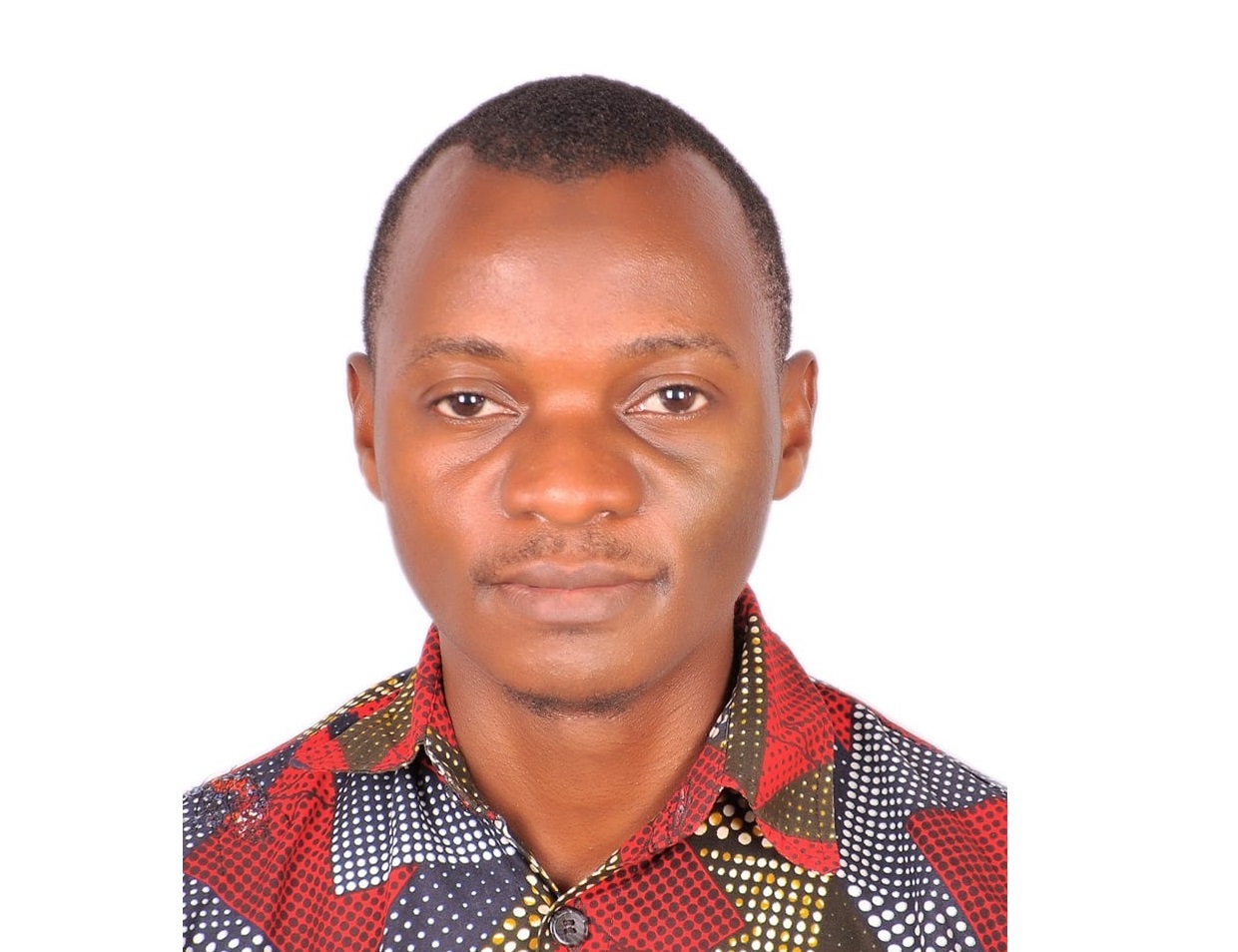
By Harunah Damba
When I became deaf more than ten years ago, I knew I would definitely need a sign language interpreter to fully participate in society. With an interpreter, I would be able to study in school, seek healthcare, respond in court, and access other opportunities that would otherwise be out of my reach. I committed to learning sign language and using that skill to overcome the constant struggle that Deaf individuals face in accessing information in ways that truly meet and respect our needs.
Today, over 90% of Deaf people rely on interpreters to access justice, healthcare, education, and public information. Yet despite this critical role, sign language interpreting remains largely unregulated. There is no national standard to determine who is qualified to work as an interpreter in any sector. Many move freely between highly sensitive fields, such as courts of law, hospitals, media, and schools, without the specialised training required to handle the ethical and legal demands of each sector.
I have met inspiring interpreters who work tirelessly to improve our day-to-day realities. And despite their dedication, sometimes—and honestly, quite often—they err. Many times, they simply do not know any better and believe they are doing the right thing, only because no one has ever shown them what each specific setting actually requires.

Interpreters are bound by a strict duty of confidentiality and accuracy, and when that trust is broken—whether through the disclosure of private information or the distortion of meaning—it becomes a serious breach of professional ethics and a violation of the rights of Deaf individuals.
Uganda needs to rethink how sign language interpreting is regulated. A national scheme of work would ensure interpreters receive sector-specific training in professional ethics and legal standards. They should not move between courts, hospitals, schools, and media without proper accreditation.

Other countries offer strong examples. Ireland’s 2017 Sign Language Act mandates that public bodies and courts use only accredited interpreters registered with the Register of Irish Sign Language Interpreters (RISLI). This guarantees that interpreters in critical sectors are not only skilled in sign language but also trained in the ethical and legal demands of their field. Similarly, Australia’s National Accreditation Authority for Translators and Interpreters (NAATI) provides specialised credentials, including health-sector training under its Language Services in the Health Sector framework.
Even among those we trust, it can be hard to know who is truly ethical. Without a structured system, Deaf people remain vulnerable to misunderstanding, misrepresentation, and discrimination. Introducing a national scheme for sign language interpreters would be a powerful step toward professionalising the field, protecting the Deaf community, and strengthening Uganda’s commitment to equality and inclusion.
The writer is a sign language user, disability advocate, and Chairperson of United Persons with Disabilities.
Email: [email protected]
If you would like your article/opinion to be published on Uganda’s most authoritative news platform, send your submission on: [email protected]. You can also follow DailyExpress on WhatsApp and on Twitter (X) for realtime updates.

