
Oyam, Uganda: The majority of Primary Three pupils in Oyam District are struggling to complete learning tasks meant for Primary Two learners, according to findings of the 2024 Uwezo learning assessment conducted in partnership with the Foundation for Inclusive Community Help (FICH).
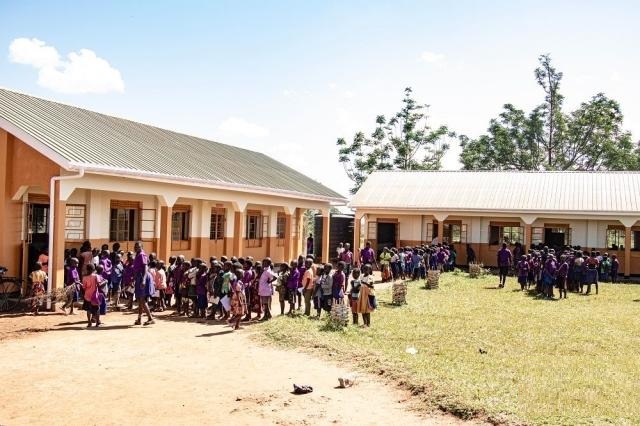
The assessment, conducted in August 2024 across 14 government-aided primary schools, revealed deep gaps in basic literacy and numeracy, raising concerns among education stakeholders about the state of foundational learning in the district.
According to the report by Uwezo and Foundation for Inclusive Community Help, most P3 learners were unable to read, comprehend, or solve tasks expected at P2 level, undermining their progression through the education system.
The survey also exposed widespread teacher absenteeism. At the time of the assessment, 12 percent of teachers were absent, despite Oyam District having 109 government-aided schools and 1,590 teachers on its payroll.
Denis Opio, a statistician at FICH, said the findings revealed severe resource gaps compared to national standards, citing pupil-teacher ratios of as high as 111:1 in some schools against the recommended national standard of 53:1.
Stakeholders Raise Alarm
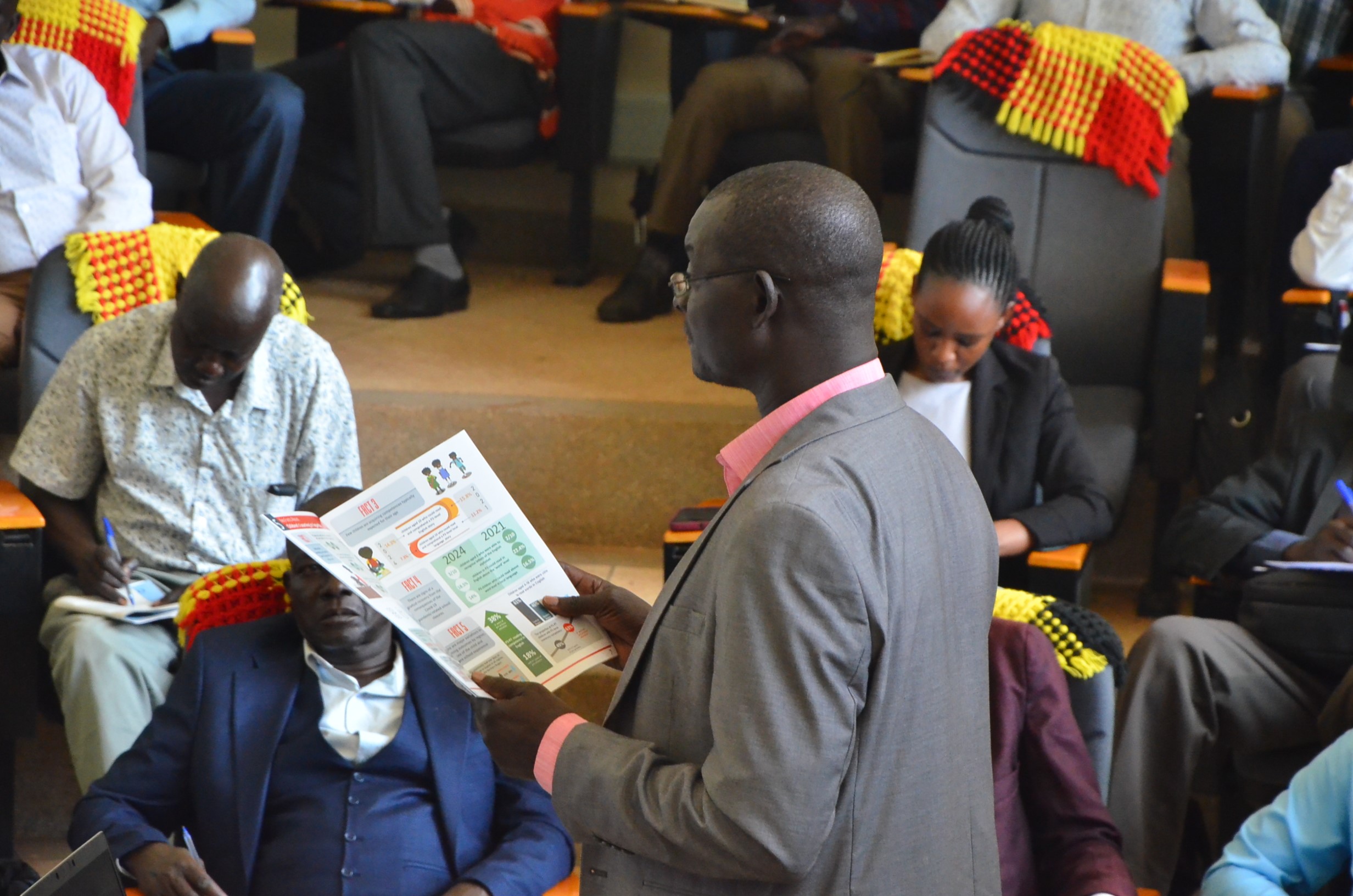
Oyam District Education Officer David Adea confirmed the findings, describing the situation as alarming and demanding urgent reflection. “Why a P3 child cannot read and comprehend a P2 story, yet the child is assumed to have passed through P2, is a very serious issue,” Adea said.
He attributed the poor learning outcomes to teacher absenteeism, inadequate resources, poor lesson preparation, learner absenteeism, and hunger. “Evidence from the report shows that 12 percent of teachers are always absent. This translates into low curriculum coverage, which directly affects learner performance,” Adea explained.

Adea further cited learner absenteeism, especially in rural areas such as Minakulu Sub-county, where some pupils reportedly leave school to engage in farm labour in neighbouring Nwoya District during harvest seasons.
Hunger among learners was also highlighted as a critical barrier to learning. “Some children come to school on empty stomachs. They may sit in class, but there is no learning taking place,” he added.

Parents Faulted, Dropout Rates Exposed
But Oyam District Planner Mark Agong criticised parents for sending children to school late and without basic scholastic materials, warning that without urgent intervention, the district risks raising learners who cannot meet minimum education standards.
Clan chief Francis Okello echoed concerns over parental neglect, particularly by fathers, saying it continues to undermine education despite teachers’ efforts.
“Our education system has seriously declined. Cultural leaders are engaging parents, but government restrictions on corporal punishment have made discipline difficult,” Okello said.
The Oyam Resident District Commissioner, James Shilako acknowledged the gravity of the crisis, noting high dropout rates across the education cycle. “While 24,000 pupils enrolled in Primary One, only 12,000 reached Primary Seven. Half of our children are dropping out along the way,” Shilako said.
He emphasised the need to track learners and curb child labour, warning that absenteeism among both teachers and pupils is a shared responsibility requiring coordinated action.
If you would like your article/opinion to be published on Uganda’s most authoritative news platform, send your submission on: [email protected]. You can also follow DailyExpress on WhatsApp and on Twitter (X) for realtime updates.

