Gulu City, Uganda: For Florence Akello, survival did not end when she returned from the bush. Healing only began years later – thread by thread, bead by bead.
Now 35 and a mother of four, Akello is a former returnee from the Lord’s Resistance Army (LRA) insurgency that devastated northern Uganda for more than two decades. Like many abductees, she carries memories of unspeakable brutality, killings she was forced to witness, violence she could not escape, and a childhood stolen by war.
“The nightmares never stopped,” Akello says quietly. “Even when I was awake, the bush followed me.”
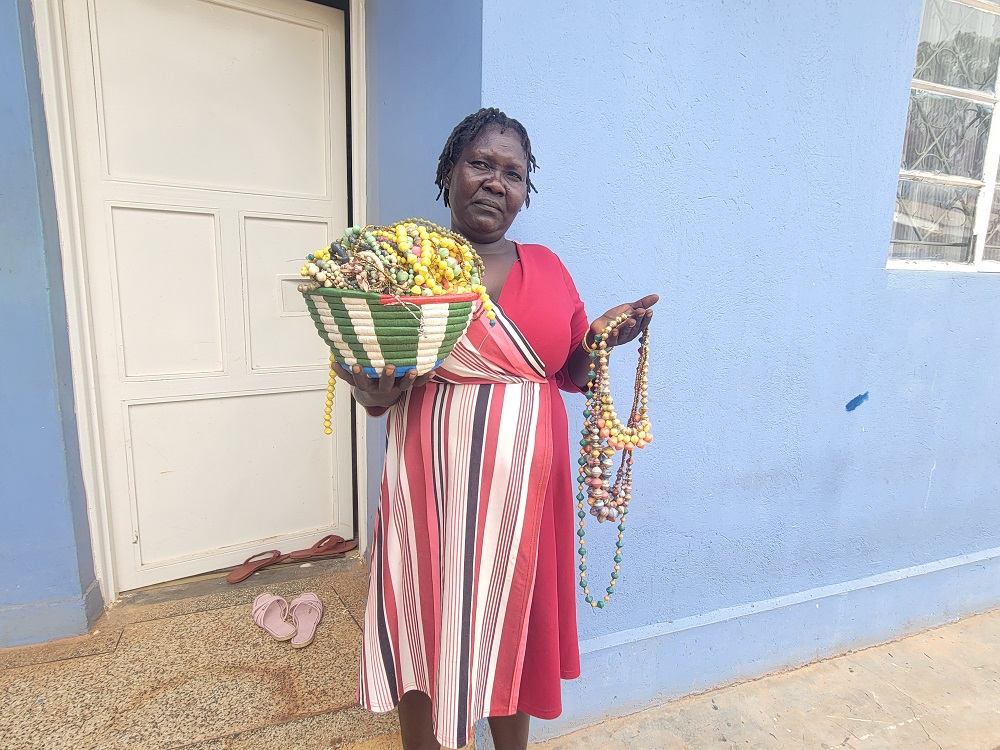
Today, however, her hands are busy with something far removed from violence. She makes waist beads, brightly coloured strings worn around the waist, an activity that has become both her therapy and her livelihood.
“When the memories overwhelm me, I turn to my beads,” she explains. “Making waist beads calms my mind. It reminds me that I’m still alive.”
Trauma that still haunts Acholi
Mental health experts say Akello’s story reflects a wider crisis in the Acholi sub-region, where post-traumatic stress disorder (PTSD) remains widespread long after the guns fell silent.
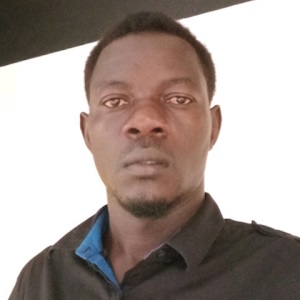
According to Bruno Atyang, the Principal Clinical Psychiatric Officer and head of the Mental Health Unit at Gulu Regional Referral Hospital, the numbers are alarming.
“We receive between 900 and 1,900 mental health cases every month,” Atyang says. “Most are young, educated people who have turned to alcohol and drugs due to joblessness and unresolved trauma. It’s a crisis that is quietly growing.”
Healing through hands and community
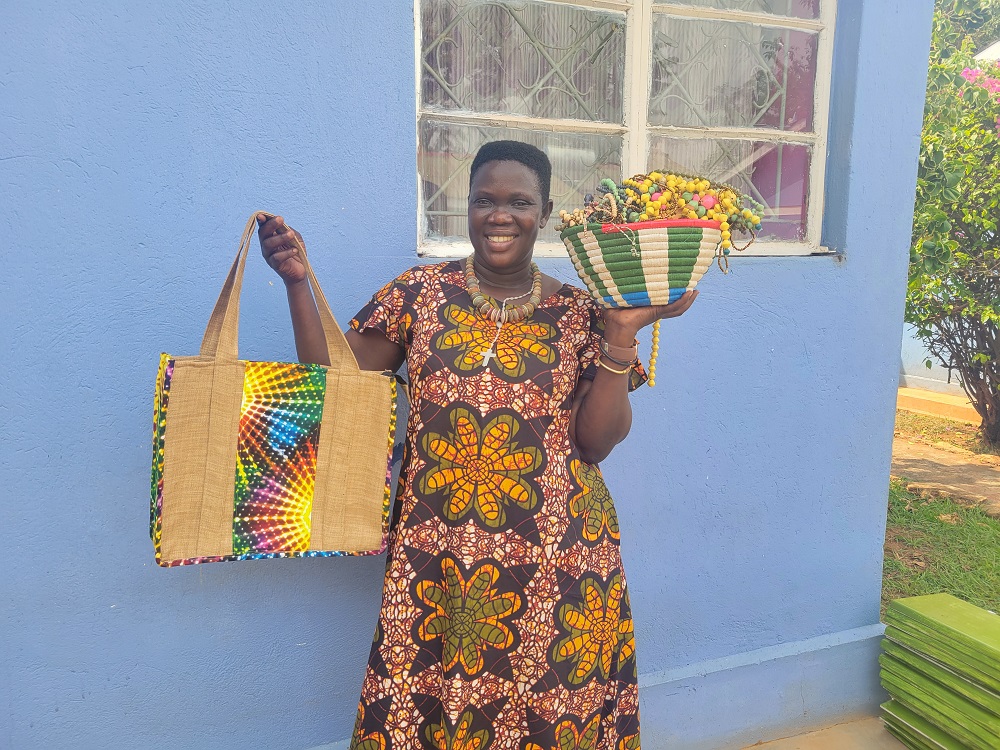
Akello says healing became possible when she discovered waist bead making—not as fashion, but as focus. “We formed a support group for former returnees,” she explains. “It has grown to about 500 members. Around 100 of us are actively healing through waist bead making. When your hands are busy threading colours, there’s no space for dark memories.”
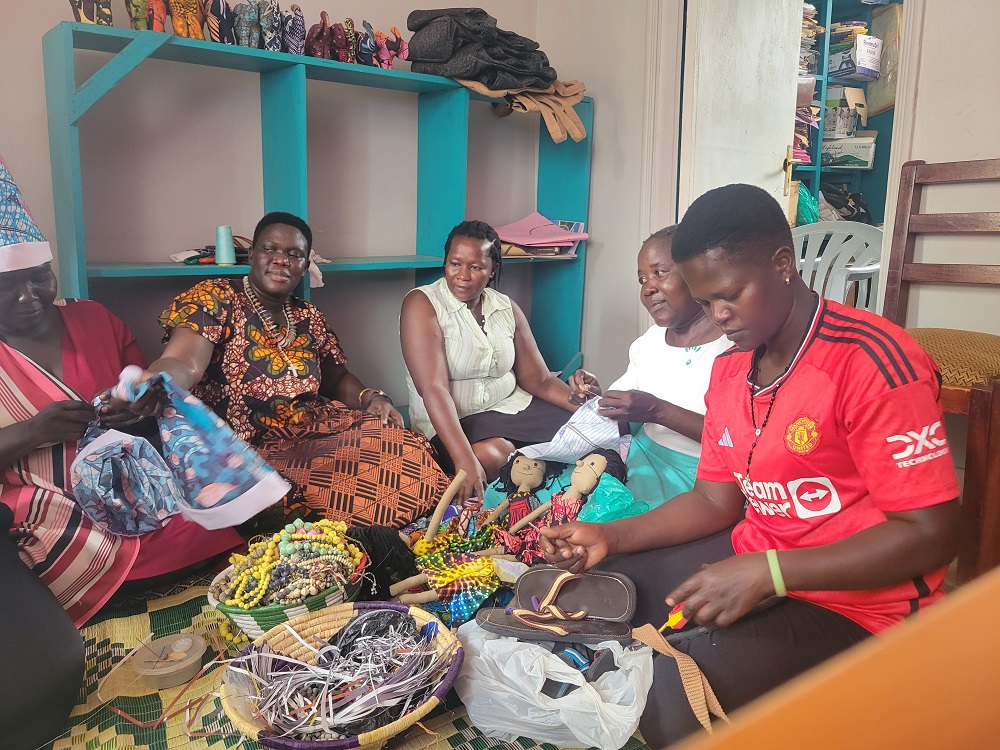
The group offers more than craft skills. It provides community—something many returnees lost during years in captivity.
“We need support,” Akello pleads. “We want to reach more survivors. There are many who are still suffering silently.”

Experts urge integrated care
Mental health professionals caution that while creative outlets are powerful, they must complement—not replace, clinical care. “Waist bead making can be therapeutic, and that is good,” Atyang says. “But trauma needs all hands—health workers, communities, government. Survivors should still seek professional help.”
Sharon Atim, a wellness specialist, agrees, noting that group-based activities are particularly effective. “When survivors heal together, shared experiences foster happiness and reduce isolation,” Atim says. “If government-supported group-based waist bead projects, it could promote healing while also empowering women economically.”
Advocacy groups say the government’s response to trauma care has been inadequate.

Stella Angel Lanam, Director of War Victims and Children Networking, warns that many former returnees are “falling apart.”
“There are over 10,000 former returnees in Acholi,” Lanam says. “They saw killings, dead bodies, unimaginable violence. Many are still waiting for help. Some have turned to dangerous coping mechanisms, alcohol, drugs, even harmful rituals, because they feel abandoned.”
Cultural and political voices weigh in
Acholi Paramount Chief David Onen Acana has appealed to leaders and communities to prioritise healing. “Our people suffered greatly in the bush,” Rwot Acana said. “Trauma must be treated properly—at hospitals and within supportive communities—not ignored.”
He expressed concern that desperation has driven some victims into self-harm, stressing that untreated trauma can create new crises.
Gulu City Woman MP Betty Aol Ocan has also called for stronger government intervention. “These former returnees are silently battling demons from the past,” Ocan said. “I will continue to raise their plight in Parliament until they receive the support they deserve.”
Pece-Laroo MP Father Onen revealed that Uganda’s Transitional Justice Policy draft is ready for parliamentary review, describing it as a critical step toward long-term healing for LRA victims.
Internationally, some accountability has begun. On February 28, 2024, judges at the International Criminal Court awarded more than €52 million in reparations to thousands of victims of a convicted LRA commander, a symbolic but significant milestone.
For Florence Akello, justice feels distant. Healing, however, is immediate—measured in beads, not court rulings. “When I’m making waist beads, I feel human again,” she says, smiling softly. “I just want others like me to find that peace too.”
If you would like your article/opinion to be published on Uganda’s most authoritative news platform, send your submission on: [email protected]. You can also follow DailyExpress on WhatsApp and on Twitter (X) for realtime updates.