
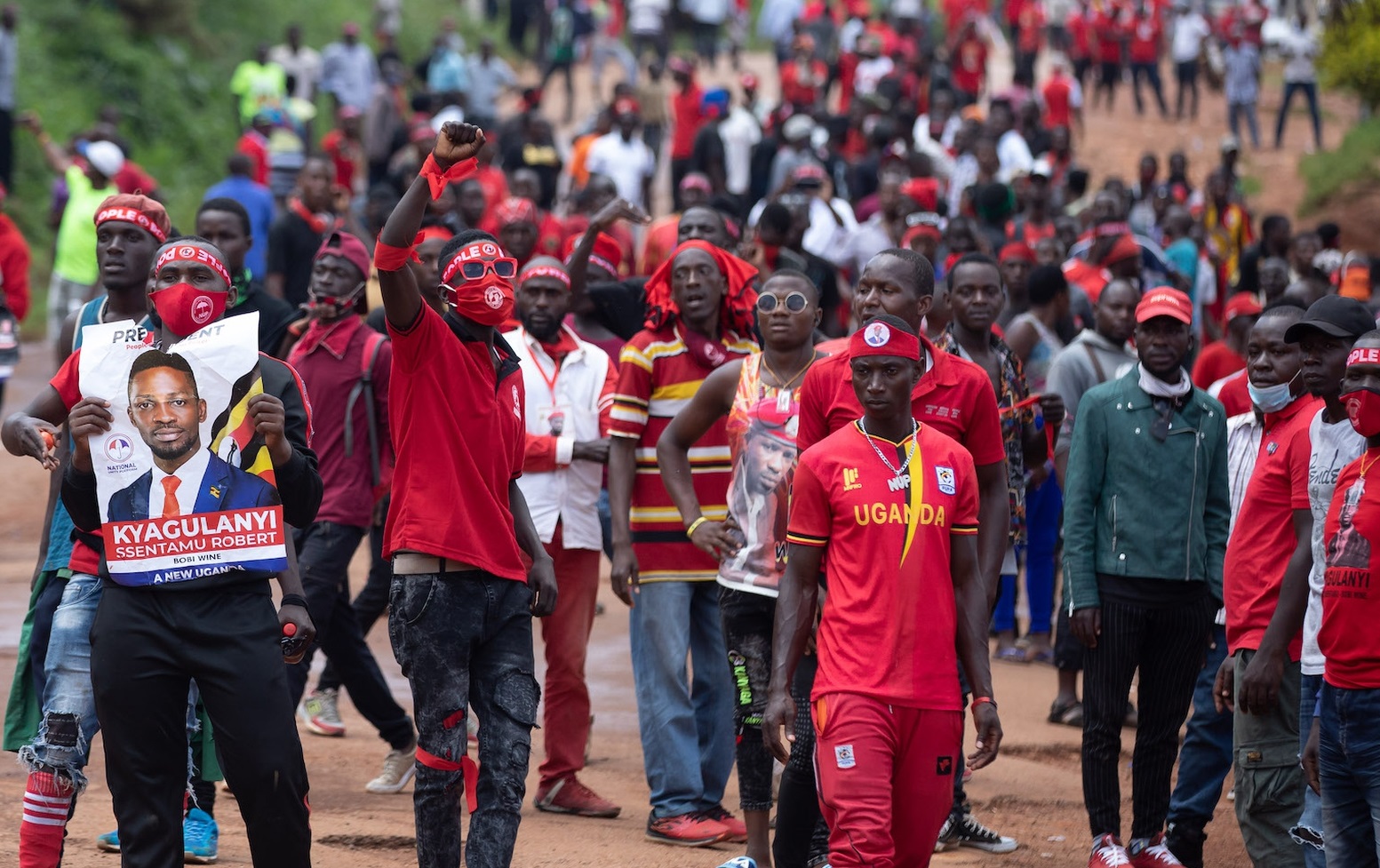
Kampala, Uganda: Government of Uganda has banned the livestreaming or live broadcasting of riots, unlawful processions and violent incidents ahead of next week’s general election ahead in which President Yoweri Museveni seeks to extend his 40-year rule for the 7th term in office.
The directive was issued by the Permanent Secretary at the Ministry of ICT and National Guidance, Aminah Zawedde, on Monday, January 5, during a press briefing at the Uganda Media Centre in Kampala, as the country enters the critical phase of the 2026 general elections.
Dr. Zawedde said while media freedom remains protected, election coverage carries heightened responsibility and must not endanger peace or national stability. She stressed that broadcasting or streaming violent scenes in real time can inflame emotions, encourage copycat actions and obstruct lawful security operations.
“Live broadcasting or livestreaming of riots, unlawful processions or violent incidents is prohibited,” Zawedde said. “Such content can escalate tensions and spread fear, which is unacceptable at this critical national moment.”
“Additionally, the declaration of election results remains the sole mandate of the Electoral Commission, and the broadcasting or sharing of unverified or premature results is illegal,” she added.
Dr Zawedde clarified that the restriction applies to both traditional broadcasters and digital platforms, noting that online media is fully subject to Ugandan law and regulatory oversight during the election period.

The Permanent Secretary further warned media houses and digital publishers against airing inciting, hateful or violent content, saying such material attracts enforcement action.
“Media platforms must not be abused to incite violence, spread falsehoods, or undermine the credibility of the electoral process. The misuse of both traditional and digital media by political actors or individuals in pursuit of narrow interests will not be tolerated,” she noted.
The Ministry, according to Zawedde, is working closely with the Uganda Communications Commission (UCC) to ensure professional, ethical and lawful election coverage. She said engagements with broadcasters and media stakeholders have already been conducted nationwide to reinforce compliance, accountability and responsible journalism.

She added that digital platforms are not exempt from regulation, emphasizing that the Computer Misuse Act applies to online conduct, including the spread of false information, offensive communication and content intended to incite violence.
“Freedom of expression must be exercised responsibly and within the framework of the law,” she said, urging media owners, editors, journalists and content creators to rely on verified information and official sources.
UCC, working with relevant stakeholders, is actively monitoring broadcast and online media throughout the election period, with violations to be addressed in accordance with the law, including regulatory sanctions where necessary.
Uganda heads to the polls on January 15, 2026, to elect the president and Members of Parliament.
If you would like your article/opinion to be published on Uganda’s most authoritative news platform, send your submission on: [email protected]. You can also follow DailyExpress on WhatsApp and on Twitter (X) for realtime updates.