
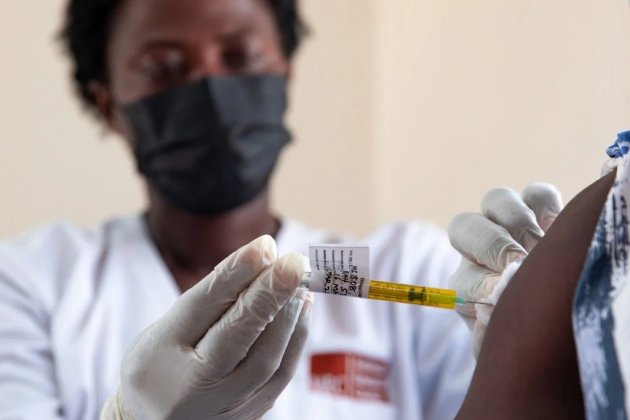
Kampala, Uganda: Uganda will begin administering lenacapavir, a new twice-yearly injectable drug for HIV prevention, in March after receiving regulatory approval from the National Drug Authority (NDA), in a major boost to the country’s efforts to end HIV/AIDS by 2030.
The National Drug Authority confirmed on Monday that it has approved lenacapavir for use as pre-exposure prophylaxis (PrEP), citing its high efficacy and safety profile. The drug demonstrated more than 99 percent effectiveness in preventing HIV infection during clinical trials conducted in Uganda and South Africa.
“Uganda’s National Drug Authority has approved Lenacapavir, a twice-yearly PrEP manufactured by Gilead,” the authority said in a statement. “This is a game-changer for HIV prevention, especially for people at high risk, and a major step towards ending AIDS by 2030.”
NDA said the approval followed a rigorous assessment process to ensure the product meets nationally and internationally accepted standards of quality, safety and efficacy. Because lenacapavir is manufactured outside Uganda, the regulator noted that it first had to be approved by the U.S. Food and Drug Administration, which cleared the drug in June last year.
The drug, developed by Gilead Sciences, will initially be provided free of charge to selected beneficiaries through support from the Global Fund.
Dr Robert Mutumba, who heads the AIDS Control Programme at the Ministry of Health, said Uganda is among 10 countries selected to benefit from an initial allocation of 38,000 doses.
“Each person will receive two doses,” Dr Mutumba said. “The commodities are expected to arrive in the country in March, and access will be free of charge.”
He added that government is exploring options to expand access through additional development partners and the private sector, although affordability remains a concern in the short term.

“The US government has shown interest in providing more doses, though discussions are still ongoing,” Mutumba said. “For the private sector, importation talks are underway, but the price may initially be too high for many Ugandans. Over time, prices are expected to fall as demand increases and generic production begins in Africa.”
Uganda continues to register more than 37,000 new HIV infections annually, a figure health experts say could be significantly reduced by the rollout of lenacapavir, given its high effectiveness and twice-yearly dosing.
However, questions remain about access and scale. Dr Nelson Musoba, Director General of the Uganda AIDS Commission, said the initial doses will prioritise populations at highest risk.

“These include young women, people engaged in transactional sex, and individuals in discordant relationships,” Musoba said, adding that government is finalising estimates of beneficiaries before submitting a funding request to support wider rollout.
He said approval by NDA also opens the door for private sector uptake once supply improves.
Global efforts to make lenacapavir affordable have gained momentum. The Bill & Melinda Gates Foundation recently announced a partnership with Indian manufacturer Hetero Labs to produce low-cost generic versions of the drug.
The move follows Gilead’s 2024 decision to grant royalty-free licences to six generic manufacturers to supply lenacapavir to 120 low- and middle-income countries. Under the arrangement, generic versions are expected to cost about $40 (approximately Shs145,000) per patient per year, compared to the original rollout price of about $28,000 (Shs102 million) per person annually.
Dr Hudson Balidawa, who oversees Global Fund HIV investments in Uganda, said the initial doses will be distributed through existing PrEP delivery sites. “These are the same sites already offering oral PrEP, the vaginal ring, and injectable cabotegravir,” he said, adding, “Clients can either start directly on lenacapavir or switch from other PrEP options.”
Health authorities have advised the public to continue using currently available HIV prevention methods as preparations for the wider rollout of lenacapavir continue.
If you would like your article/opinion to be published on Uganda’s most authoritative news platform, send your submission on: [email protected]. You can also follow DailyExpress on WhatsApp and on Twitter (X) for realtime updates.