By Lilian Nazibanja
BSc.N | MSc.Endocrinology
Weight-loss injections have quickly become one of the most talked-about medical trends of recent years. From celebrity endorsements to viral social media testimonials, they are often presented as a breakthrough solution—an easy way to lose weight without the struggle of dieting, exercise, or long-term lifestyle changes. For many young people navigating intense pressure around appearance and success, this appeal is understandable. However, using these drugs outside their intended medical purpose is not a harmless trend. It is a health gamble—one that often comes with risks that are rarely talked about.
So, what exactly are these medications, and why are they leading to such noticeable weight changes?
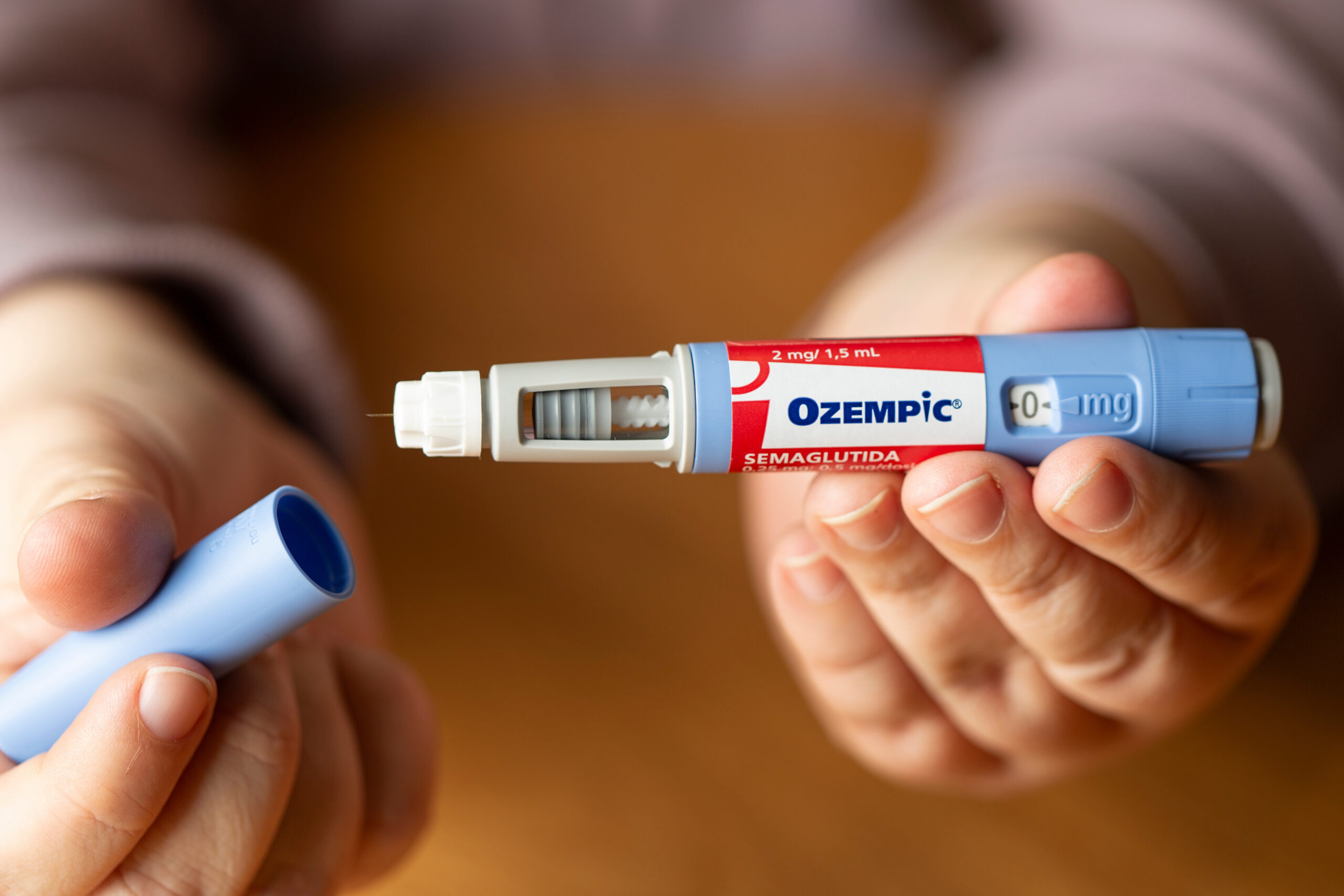
Ozempic (semaglutide) and Mounjaro (tirzepatide) were originally developed to help people with type 2 diabetes manage blood sugar levels. But their effects go beyond glucose control. Under medical supervision, they are also prescribed for people living with obesity when there are clear health risks or obesity-related complications, such as cardiovascular disease, insulin resistance, or other significant metabolic problems. They were never intended as cosmetic weight-loss tools or quick fixes for people without medical need.
These medications work by influencing natural hormones that regulate hunger and digestion, helping people feel full more quickly and slowing how fast food leaves the stomach, which keeps them fuller for longer. In simple terms, they help people eat less—not because they suddenly have more willpower, but because their appetite is being chemically suppressed. That distinction matters and explains why weight loss has become one of their most talked-about effects.
These effects can look impressive on the scale and in before-and-after photos. But what is less visible online is that these medications are powerful and can be associated with unpleasant side effects. When used without proper medical guidance, these side effects can easily outweigh the benefits.
Common side effects include persistent nausea, vomiting, dizziness, fatigue, dehydration, and severe constipation—symptoms that are frequently dismissed online but can significantly interfere with daily life and overall health. There are also less widely discussed concerns, including gallbladder problems, worsening reflux, and the psychological impact of appetite suppression, such as food aversion or anxiety around eating. For women in particular—especially those approaching menopause—losing weight too quickly can lead to muscle loss, hair thinning, menstrual disruption, worsened bone health, and overall metabolic instability.
One of the biggest misconceptions is that side effects are rare or mild. In reality, many people experience them, especially in the early months. For some users, these effects do not fade with time and may worsen with continued use. For others, they are severe enough to interfere with daily life, work, and normal eating.

In some cases, the effects on digestion can become more serious. These medications slow how quickly the stomach empties, which is part of how they reduce appetite. However, when this slowing becomes excessive, it can lead to a condition called gastroparesis, where the stomach struggles to empty food normally. People may experience ongoing bloating, abdominal pain, early fullness after small meals, vomiting, and difficulty maintaining proper nutrition. Some people struggle to tolerate food at all, leading to dehydration, nutrient deficiencies, and muscle loss rather than healthy fat loss. For those affected, symptoms can persist even after stopping the medication, significantly impacting quality of life.
Another uncomfortable truth rarely highlighted in promotional stories is what happens after the injections stop. Studies and real-world experience show that many people regain a significant amount of weight once the medication is discontinued. This isn’t a personal failure. It’s biology. When appetite-suppressing medication is withdrawn, hunger often returns more strongly. Without long-term changes to eating habits, physical activity, and psychological support, maintaining weight loss can be extremely difficult. For some people, this means staying on the medication longer, raising important questions about cost, access, and long-term safety.
Not everyone who wants these injections needs them. Perhaps the biggest concern is the growing use of weight-loss injections by people who do not meet clinical criteria. When slimness is equated with health, it becomes easy to medicalise normal body changes or to use powerful medications to meet unrealistic beauty standards. At the same time, people with genuine medical need may struggle to access these treatments due to shortages or cost.

Because these medications are expensive and often difficult to obtain through formal healthcare channels, some women go to great lengths to purchase them, turning to informal sellers, beauty clinics, or online platforms. This makes them especially vulnerable to counterfeit products, incorrect dosing, and unsafe injection practices. Fake or poorly stored injections may contain the wrong amount of medication, unknown substances, or no active drug at all—placing users at serious risk of harm with little chance of accountability.
Weight loss is deeply personal, and the desire for change should never be shamed. However, quick fixes often come at a hidden cost to health, finances, and well-being in the long run. Medications like Ozempic and Mounjaro have an important role when used for the right reasons and under the right care. The real challenge is ensuring that people are supported with accurate information, safe access to healthcare, and the freedom to make choices that protect not just their bodies today, but their health in the years to come.
True sustainable health rarely comes from shortcuts. It comes from understanding our bodies, addressing root causes, and recognising that weight is only one part of wellbeing—not its definition.
A thought to ponder: Is the quick fix worth the potential long-term health consequences?
The writer is an Endocrine Clinical Nurse Specialist at University College London Hospital, UK.
If you would like your article/opinion to be published on Uganda’s most authoritative news platform, send your submission on: [email protected]. You can also follow DailyExpress on WhatsApp and on Twitter (X) for realtime updates.