
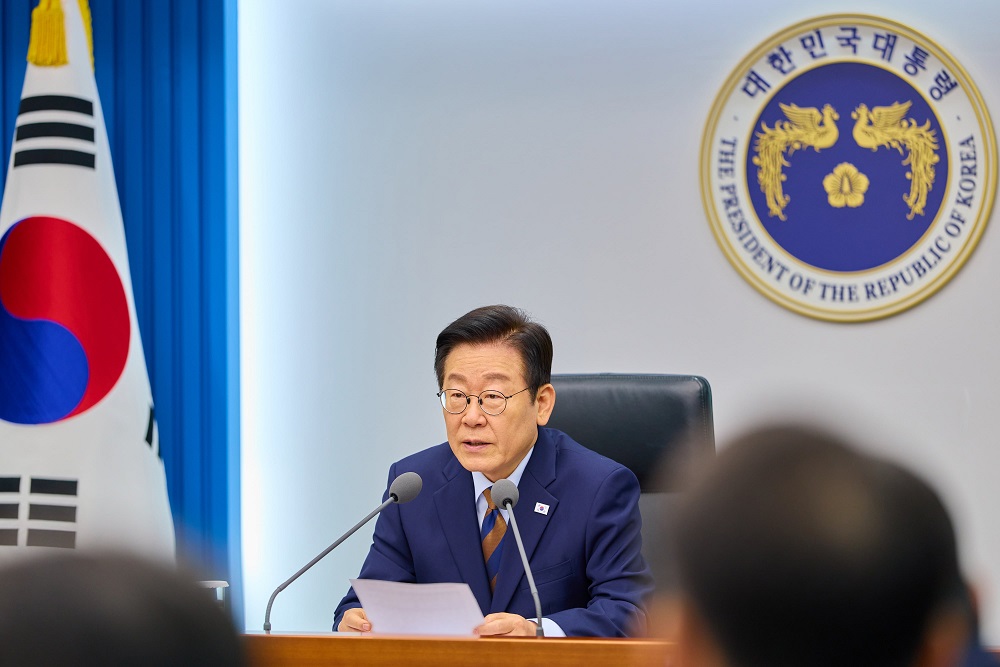
Seoul, South Korea: South Korean President Lee Jae Myung and Prime Minister Kim Min-seok are facing mounting criticism after publicly branding a specific religious movement as a “cult” and ordering investigations that critics say risk violating constitutional guarantees on freedom of religion.
On January 12, President Lee openly referred to the Shincheonji Church of Jesus and other religious groups, saying “the harm they cause to society has been left unchecked for too long, resulting in serious damage.”
A day later, Prime Minister Kim reinforced the stance during a Cabinet meeting, describing the group as a “pseudo-religion” and a “cult,” and announced the formation of a joint investigative task force aimed at what he termed its “eradication.”
Following the remarks, multiple law enforcement agencies were mobilised into a joint investigation, with probes now underway. Parallel discussions in the National Assembly on appointing a special prosecutor have fuelled expectations that more coercive measures—including search and seizure operations—could follow.
Legal scholars and civil liberties advocates argue that the rhetoric and subsequent actions raise serious constitutional concerns. Article 20 of the Constitution of the Republic of Korea explicitly guarantees freedom of religion, prohibiting the state from favouring or suppressing any religious belief.

Critics say repeated public statements by the President and Prime Minister, made before any judicial findings, amount to the state branding a specific religion as socially harmful, potentially legitimising stigma, discrimination and hostility through executive power.
“The danger is not just investigation, but pre-judgment,” one constitutional law analyst noted. “When the highest offices label a religion as a ‘cult’ before court rulings, it risks undermining due process and freedom of belief.”

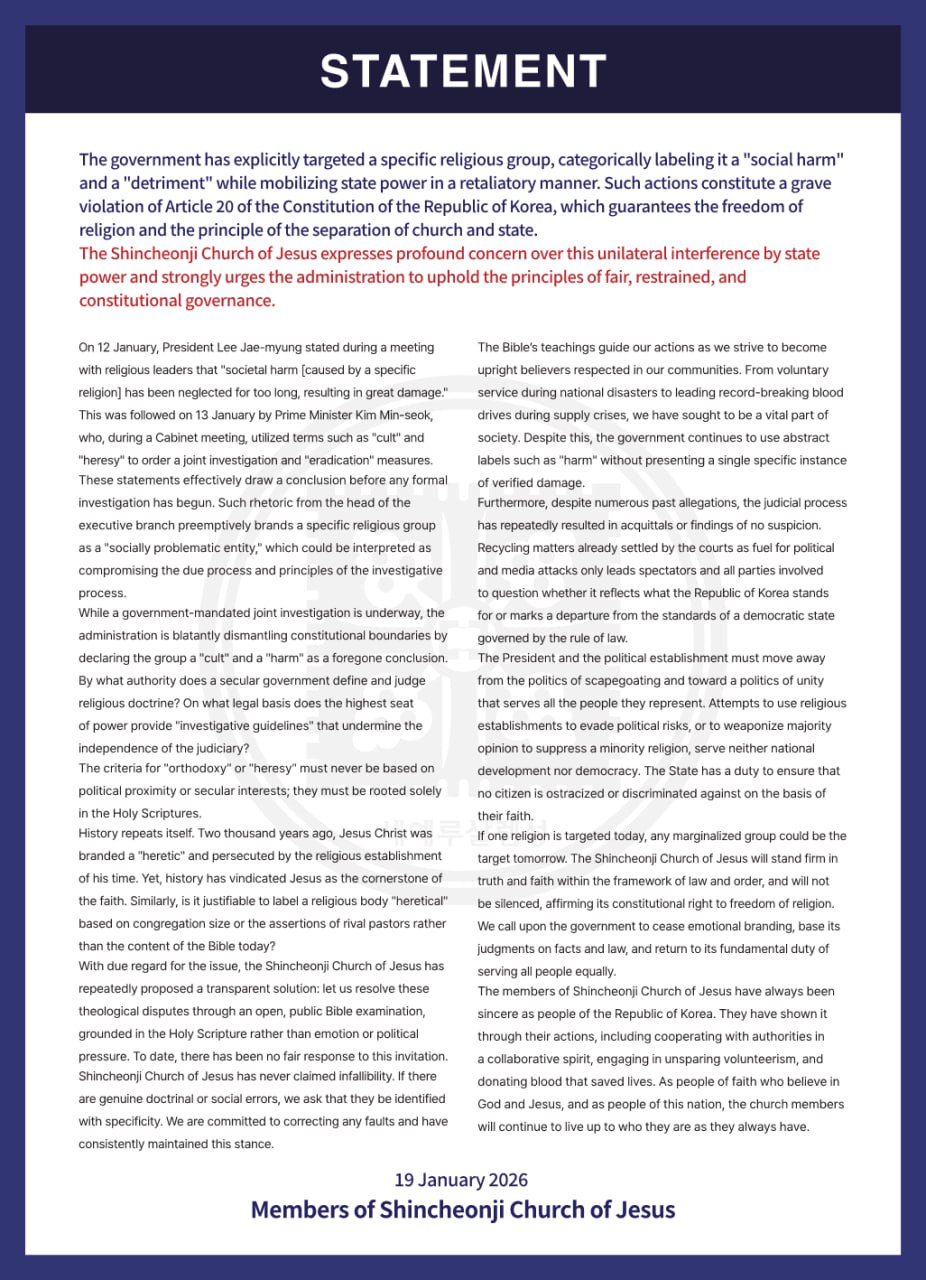
The controversy has also reignited debate about democratic backsliding in South Korea. Observers note that President Lee came to office after the impeachment of a former president over unconstitutional conduct, making current concerns about executive overreach particularly sensitive.
Human rights groups have urged restraint, warning that state-led campaigns against specific religious groups could set a dangerous precedent and erode hard-won democratic norms.
As investigations proceed, the episode has sparked a broader national debate over the balance between public interest, executive authority and the constitutional protection of religious freedom in South Korea.
If you would like your article/opinion to be published on Uganda’s most authoritative news platform, send your submission on: [email protected]. You can also follow DailyExpress on WhatsApp and on Twitter (X) for realtime updates.