Pallisa, Uganda: Religious leaders and elders in Pallisa District have openly faulted key political actors for what they describe as worsening political violence, tribal tension and bloodshed linked to the just-concluded elections, warning that failure to take responsibility could plunge the district back into its dark past.
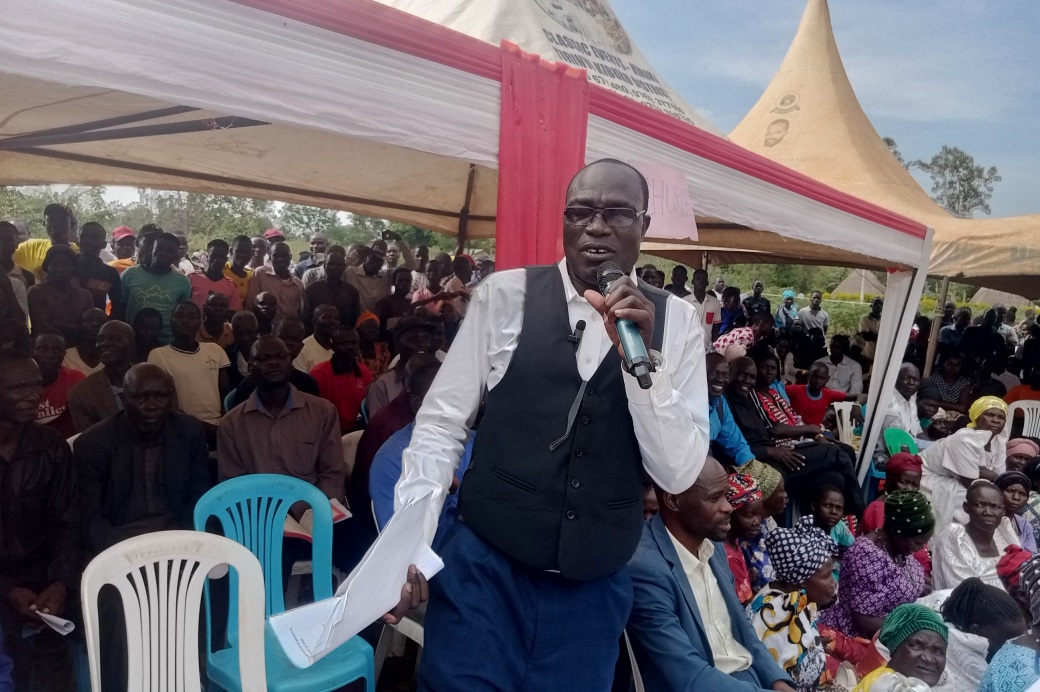
The warning was delivered by Rev. Okuni Simon Grace while addressing thousands of mourners at the funeral service of 112-year-old Kolofimina Kiyai, who passed away on January 17, 2016.
Rev. Okuni cautioned politicians and elders to treat life as “an unaffordable gift from God” and condemned the mobilisation of unemployed youth to attack political opponents.
“It is both sinful and criminal for a few people to sit around a table and mobilise jobless youth to attack fellow politicians,” Rev. Okuni said, citing a string of violent incidents in the district.
He listed attacks on Ochwa David, who was reportedly beaten alongside his agents and had four motorcycles stolen; an assault on Julius Okurut Arecho at an ECO fuel station along the Pallisa–Kumi road on the eve of elections, where he was beaten into a coma with his manager Benjamin and two others; and the robbery of appointment letters and money from their vehicle.
Rev. Okuni further cited a post-election attack on Ibrahim Aisu, who was assaulted on his way to condole with a bereaved family in Kamuge Sub-county. He warned that Pallisa was slowly sliding back to the tribal tensions of the mid-1990s, when ethnic violence reportedly barred some Iteso residents from freely accessing the town.
Gender-based violence advocate Stanislaus Omukude said several homes and properties had been torched and alleged that some elected leaders had been warned against setting foot in parts of their constituencies.

“This is unacceptable in a democratic society,” Omukude said, adding that although Pallisa largely voted for the National Resistance Movement, internal party leadership failures had fuelled division, incitement and tribalism.
Local opinion leader John Arikod accused Pallisa NRM leadership, particularly Derrick Orone, of failing to rein in inflammatory rhetoric, including provocative radio content. “Pallisa has suffered more deaths from political violence than during the insurgency years,” Arikod said, accusing local radio stations of airing divisive songs, messages and talk shows.

However, Pallisa NRM publicity secretary David Apua defended Orone, saying the concerns had been communicated and that steps were being taken to stop provocative political broadcasts.
“He committed himself to ensuring content that fuels division is discontinued,” Apua said.
Elder Mwanika criticised what he described as the public ridicule of senior community figures by “excited youth,” questioning the morality of using radio platforms to demean respected leaders.
Meanwhile, Iteso Cultural Union chairperson in Pallisa John Okou Opolot urged calm, reminding residents that elections inevitably produce winners and losers.
He condemned the attacks and said only political actors themselves could de-escalate tensions because their supporters listen to them. “Those who believe they were rigged out should exercise patience and wait for 2031,” Okou said.
If you would like your article/opinion to be published on Uganda’s most authoritative news platform, send your submission on: [email protected]. You can also follow DailyExpress on WhatsApp and on Twitter (X) for realtime updates.