
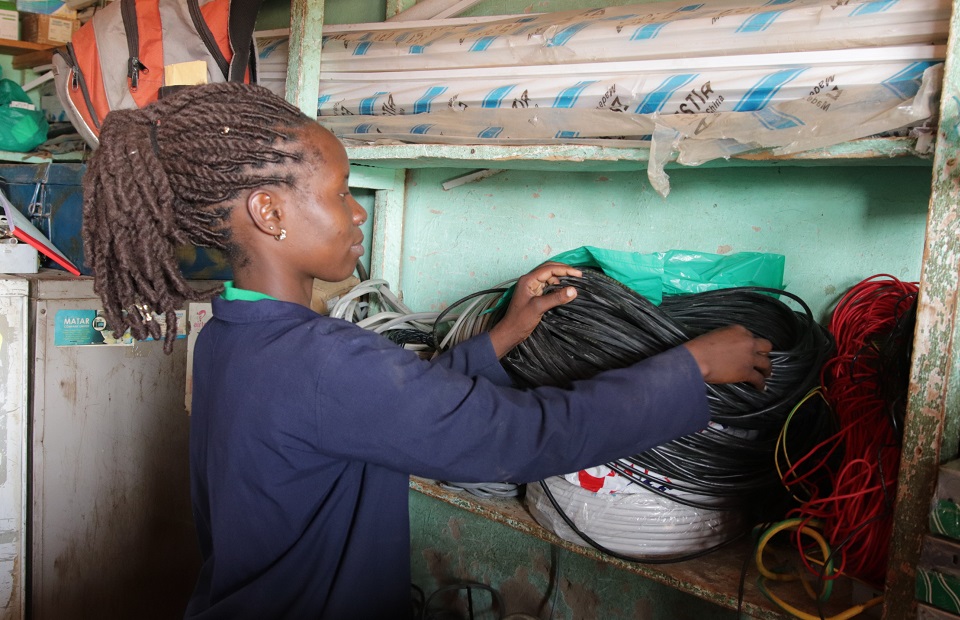
Gulu City, Uganda: Inside a busy electrical workshop in Gulu City, the clink of tools and the hum of live wires tell a story of quiet transformation. Among the technicians is Akwero Bianca, focused and confident as she works on an electrical installation, proof that technical trades are no longer a preserve of men.
Bianca is a student intern placed at Oceco Electrical Services through a partnership between Sendea Institute for Energy and Management and Don Bosco Vocational Training Centre, under the Gender Matters for Green TVET project. The initiative is deliberately empowering girls in Northern Uganda to enter technical fields traditionally dominated by men.
Selected to study electrical installation at Don Bosco Vocational Training Centre in Lamwo District, Bianca says the programme has equipped her with far more than wiring skills. Alongside technical competence, she has gained training in business management, decision-making and problem-solving—skills she believes will uplift both her household and community.
Through her internship at Oceco Electrical Services, classroom theory has been translated into real-world practice. She now wires homes and handles complex electrical tasks with growing confidence.
At the same workshop is Aparo Sunday (20), another intern who refused to accept the long-held belief that electrical work is “for boys.” Her decision initially faced resistance, even from her parents, but her resolve never wavered.
Her breakthrough came when Sendea Institute offered her a scholarship to study at Don Bosco—an opportunity she says revived her dream of becoming an electrical engineer and affirmed that gender should never limit ambition.
Their host supervisor, Lukwiya Christopher, CEO of Oceco Electrical Services, says the girls have displayed exceptional commitment.
“The skills they bring from Don Bosco and through industrial training place them on a strong path,” Lukwiya said. “In many instances, they are performing even better than their male counterparts.”
Impact across districts
In Pece Division, two other beneficiaries, Amono Cinderella (22) and Aromorach, are gaining hands-on experience at a construction site. Site manager Eng. Obwona Amos describes their performance as impressive, noting their discipline, eagerness to learn and strong work ethic.
In Kitgum District, Alimocan Winne (21) is already dreaming beyond internship. Her goal is to establish her own electrical business, a vision she says is now realistic after mastering several practical skills during training.

Similarly, Aneno Gladys (23) joined electrical installation to challenge social norms that limit girls’ choices. “Ability is not defined by gender,” she says, crediting her internship for giving her confidence and professional exposure.
According to Okech Nicholas James, Director of Kitgum Electrical Centre, internships are indispensable. “Classroom learning alone is not enough,” he said. “Internships provide exposure, confidence and professional networks.”
Challenges and calls for support
Despite the success stories, challenges persist. Many interns struggle with long distances to work sites, inadequate accommodation and limited access to tools.

Odiya Patrick of Homie Electrical Centre in Kitgum Town has called for additional facilitation to support girls during internship periods. His concerns are echoed by Denis Ocaya of Don Bosco Vocational Training Centre in Palabek, Lamwo District, who warns that these barriers could discourage more girls from enrolling in technical courses.
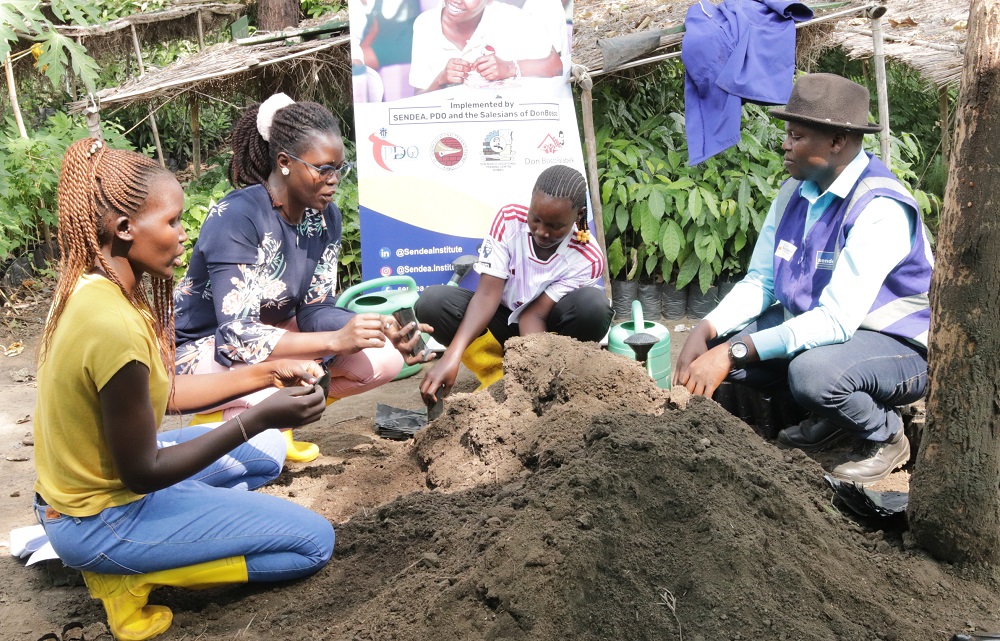
Beyond electrical installation, the Gender Matters for Green TVET project also supports girls in agriculture and livelihoods, with over 200 girls directly benefiting since its launch in 2023.
Nessanga Felista, Livelihood and Agriculture Coordinator at Don Bosco, says the programme is steadily changing attitudes. “Many girls initially have negative perceptions about agriculture,” she noted. “But the project has opened doors to employment as partners increasingly seek our graduates.”
One such beneficiary is Acayo Lillian, currently undertaking her internship under Felista’s guidance.
Changing mindsets, shaping the future
Community perceptions remain a major barrier, with growing calls for sensitisation to help parents and leaders appreciate the value of girls pursuing vocational and technical education.
The girls themselves have become advocates, encouraging their peers not to be discouraged by stereotypes and urging parents to support vocational training as a pathway to sustainable livelihoods.
They also express gratitude to Sendea Institute for Energy and Management and its partners, appealing for continued and expanded support so that more girls can access opportunities that are already reshaping lives—and rewiring the future of Northern Uganda.
If you would like your article/opinion to be published on Uganda’s most authoritative news platform, send your submission on: [email protected]. You can also follow DailyExpress on WhatsApp and on Twitter (X) for realtime updates.