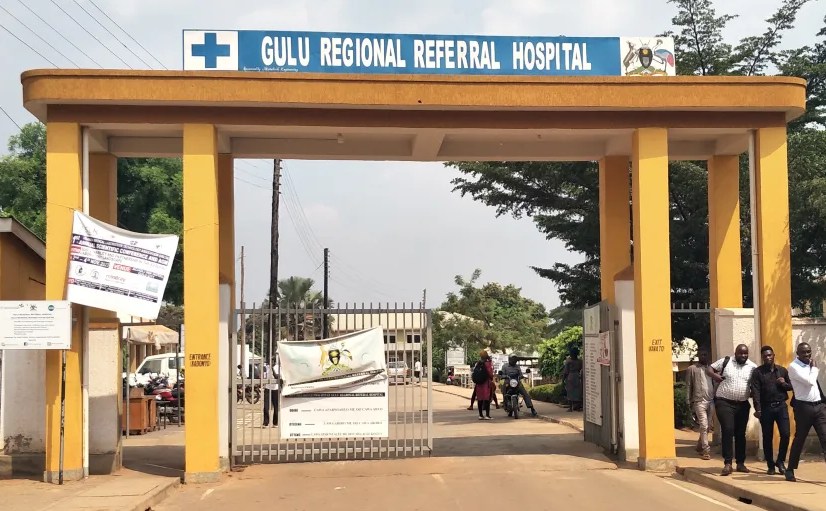
Gulu City, Uganda: Gulu Regional Referral Hospital records an eight per cent tuberculosis (TB) mortality rate every quarter, raising concern among health officials over late diagnosis and poor health-seeking behaviour in northern Uganda.
Hospital data indicates that of the about 800 TB patients registered every three months from the Acholi sub-region, approximately 64 patients die from TB-related complications—deaths health experts say are largely preventable.
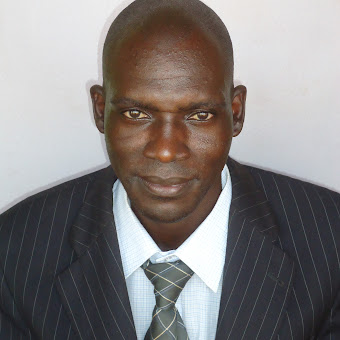
Addressing stakeholders at a meeting held at Acholi Inn in Gulu City on Tuesday, Dr Philip Okot, the regional focal person for tuberculosis and leprosy, attributed the persistent deaths to patients reporting to health facilities when the disease is already advanced.
“Many of the patients we receive come late, when TB has already caused serious complications,” Dr Okot said, noting that delayed treatment significantly reduces survival chances.
Health workers at the referral hospital say late care-seeking remains widespread, with patients often enduring symptoms such as persistent cough, chest pain, fever, night sweats and weight loss for months before seeking medical attention.
Clinicians also report that by the time some patients reach the hospital, they are battling co-infections including HIV and malnutrition, factors that further complicate treatment outcomes.

Despite TB diagnosis and treatment being offered free of charge in public health facilities, stigma, poverty and long distances to health centres continue to hinder early testing, according to health officials.
Dr Okot emphasised the need for sustained community sensitisation, saying misconceptions about TB continue to fuel fear and delayed reporting.
“People need to understand that TB is curable and not a death sentence. Early testing saves lives,” he said.

To address the challenge, Gulu Regional Referral Hospital has received a mobile tuberculosis clinic truck to strengthen community outreach and early detection across the Acholi sub-region.
Dr Peter Mukobi, the hospital’s Director, said the mobile clinic will provide on-site screening, diagnosis and treatment, particularly in hard-to-reach and high-risk communities.
“This approach allows us to reach people early instead of waiting for them to arrive at the hospital when they are already critically ill,” Dr Mukobi said.
Uganda remains among countries with a high TB burden, with health experts warning that continued TB-related deaths reflect broader gaps in community engagement and access to primary healthcare services.
If you would like your article/opinion to be published on Uganda’s most authoritative news platform, send your submission on: [email protected]. You can also follow DailyExpress on WhatsApp and on Twitter (X) for realtime updates.