
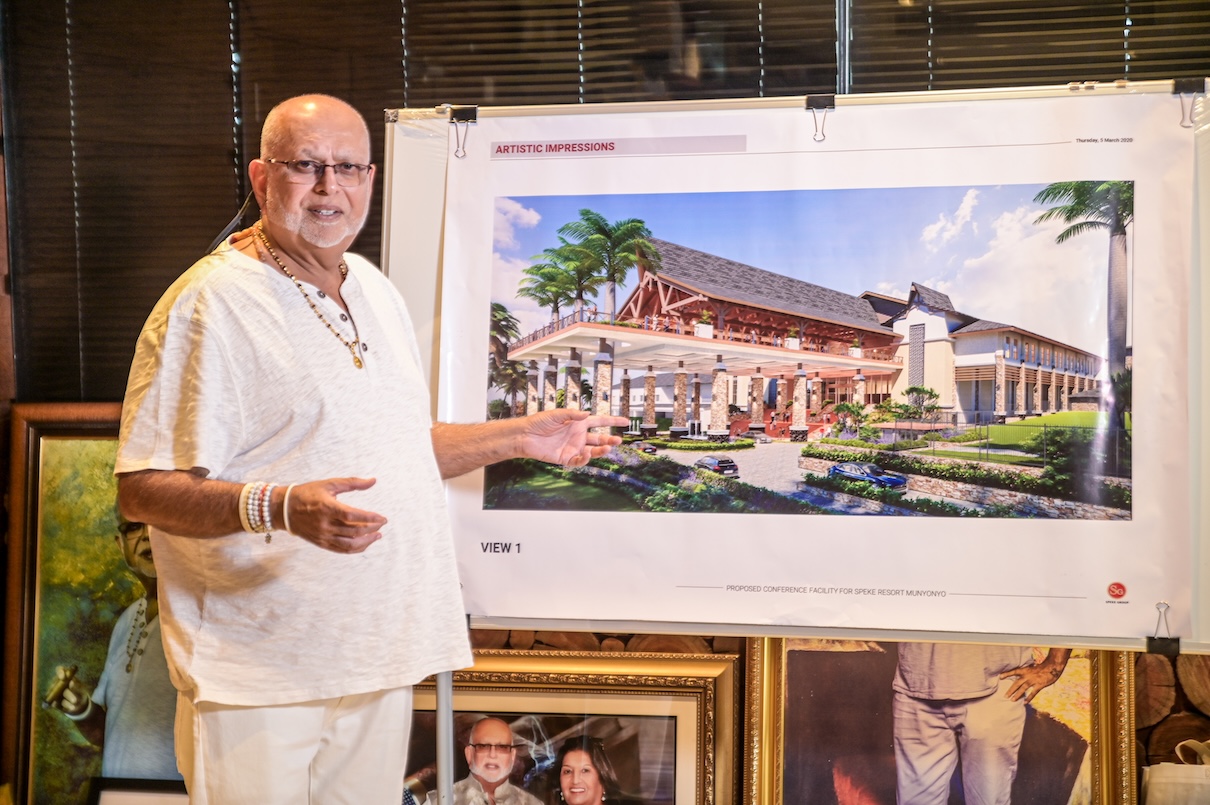
Kampala, Uganda: In a property market where speculative investments have collapsed under the weight of high capital costs, regulatory uncertainty and shifting demand, Sudhir Ruparelia has emerged as Uganda’s most resilient and dominant real estate developer, building endurance where others chased speed.
Uganda’s real estate sector has long been unforgiving. Volatile interest rates, infrastructure gaps and unpredictable market cycles have derailed even seasoned investors. Yet, over decades, Ruparelia has steadily expanded his footprint across Kampala’s commercial skyline, reinforcing a model rooted in patience, internal cash flow and long-term planning.
Unlike developers who rely heavily on debt to accelerate growth, Ruparelia has consistently favoured incremental expansion financed largely through internal resources. At several engagements with the Uganda Revenue Authority, where he has repeatedly been recognised as one of the country’s top taxpayers, Ruparelia has openly cautioned against aggressive borrowing, urging investors to grow only as fast as their cash flow allows.
That conservative strategy has paid off. Through the Ruparelia Group, he has built a property portfolio estimated to exceed 300 commercial buildings, spanning office towers, banking halls, hotels, schools, malls and resorts, making him Uganda’s most dominant private landlord.
Building Through Cycles
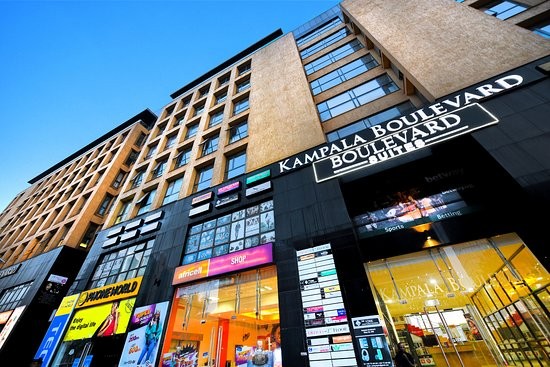
Resilience has been the defining feature of Ruparelia’s empire. Even during periods of economic slowdown, political uncertainty and post-pandemic disruption, he did not retreat. Instead, he consolidated assets, reinvested returns and expanded selectively, positioning his developments to benefit from Kampala’s growing population and regional integration.
His latest major statement of confidence is Phase Two of Kingdom Kampala, a 21-storey mixed-use tower crowned with a rooftop helipad, still a rarity in privately developed Ugandan real estate.
The helipad is not mere architectural flair. Analysts say it signals a strategic targeting of high-value global actors: energy executives, diplomats, financiers and multinational investors, who demand international-grade infrastructure and convenience.
A Vertical City Strategy
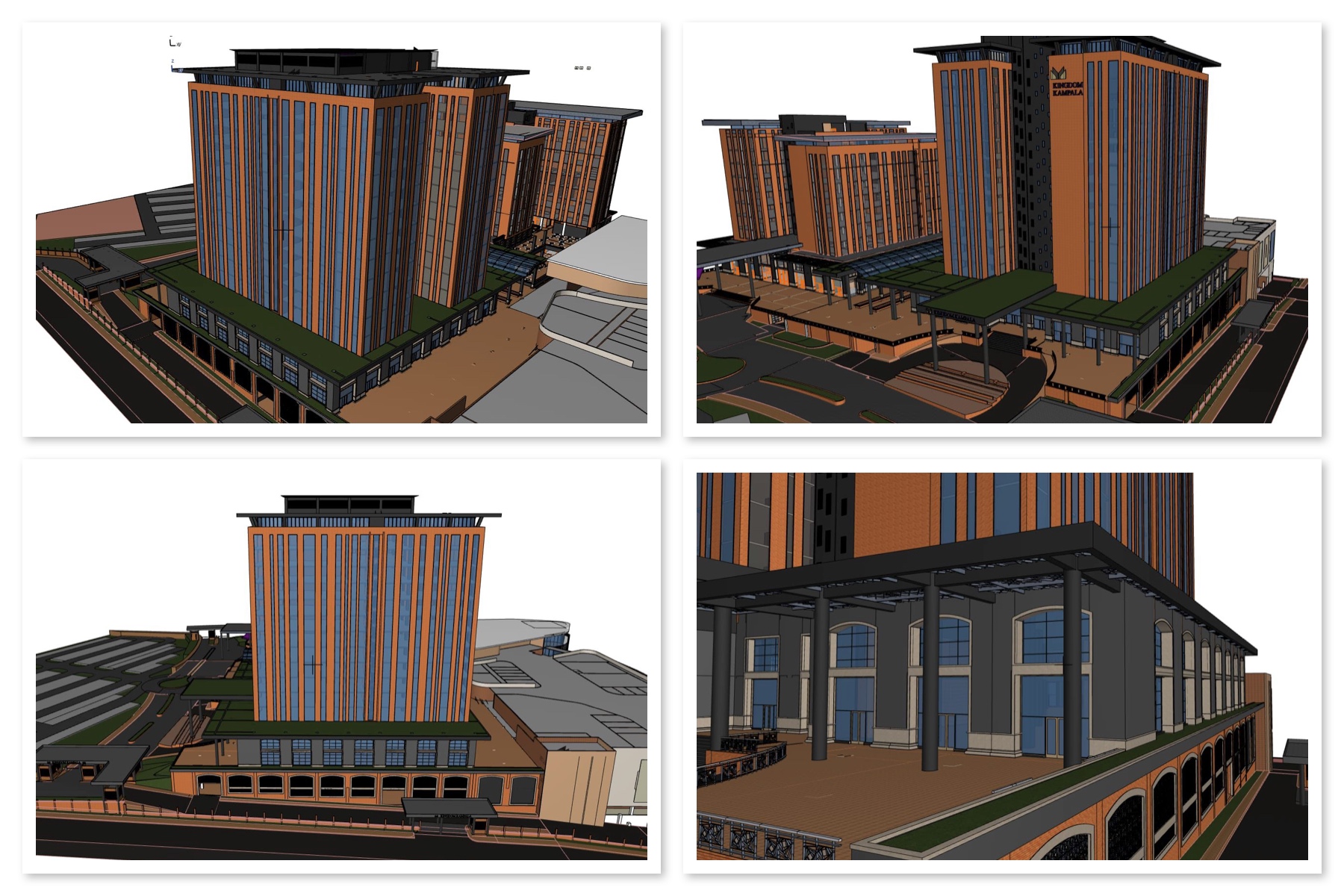

Phase Two builds on the success of Phase One of Kingdom Kampala, completed in 2019, which transformed a previously underutilised Central Business District site into a commercial nerve centre. The development reshaped foot traffic patterns, revived surrounding businesses and strengthened Kampala’s appeal as a regional hub.
Ruparelia’s preference for mixed-use developments, combining retail, corporate offices, hospitality and high-end residential space, reflects a broader “vertical city” strategy increasingly adopted by competitive capitals.
Urban planners say such projects do more than redefine skylines. They inject capital into construction, stimulate local supply chains, expand the tax base and create long-term employment. At a time when Uganda’s economy is growing at between 5 and 6 per cent annually, large-scale private developments act as anchors of investor confidence.

Premium Assets, Strong Yields
Ruparelia’s recent completion of Pearl Tower One, a 19-storey flagship at Pearl Business Park, further underscores a shift toward premium, mixed-use assets designed to attract blue-chip tenants and sustain strong rental yields.

In a market where oversupply has hurt smaller developers, Ruparelia’s properties have continued to perform, an outcome analysts attribute to disciplined location selection, market timing and long-horizon investment planning.
From banking to education, hospitality and real estate, Ruparelia has repeatedly demonstrated an ability to convert crisis into consolidation. Where others exited the market, he acquired, restructured and rebuilt, quietly shaping Kampala’s modern commercial identity.
Building for Decades
Kingdom Kampala Phase Two is therefore more than another high-rise. It is a signal that Uganda’s capital is positioning itself for global business, and that its most influential property developer remains focused on decades, not headlines.
In a sector often driven by haste, Ruparelia’s trajectory offers a different lesson: in Uganda’s toughest property market, resilience has proven to be the most profitable investment of all.
If you would like your article/opinion to be published on Uganda’s most authoritative news platform, send your submission on: [email protected]. You can also follow DailyExpress on WhatsApp and on Twitter (X) for realtime updates.