
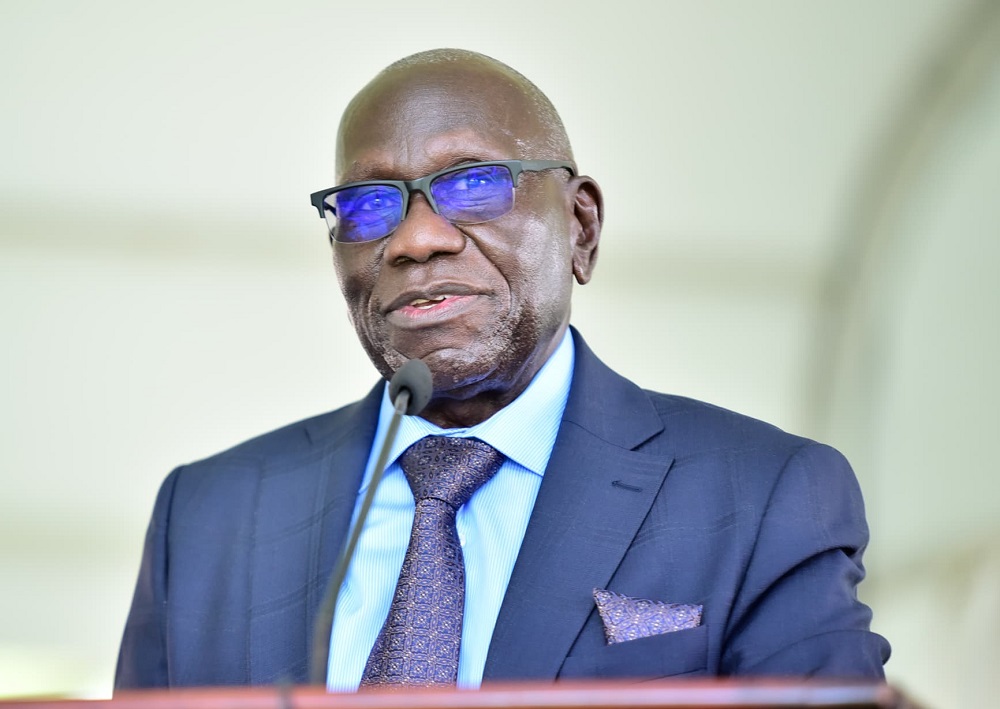
Kampala, Uganda: The Uganda National Examinations Board (UNEB) has proposed scrapping the numerical aggregates grading system in the Primary Leaving Examination (PLE) as part of reforms aimed at curbing exam malpractice driven by desperation for top scores.
The proposal was made by UNEB Board Chairperson Celestino Obua while addressing stakeholders during the official release of the 2025 PLE results at State House Nakasero, on Friday, January 30, 2025.
Obua urged the First Lady and Minister of Education and Sports, Janet Kataha Museveni, to approve a 2021 reform proposal that would replace the current aggregates-based reporting system, which he said has become the main driver of unethical conduct in schools.
“The obsession with Aggregate Four has created desperation,” Obua said, arguing that the aggregates have become the “gold standard” by which parents rank schools, exerting intense pressure on school directors and teachers to deliver perfect results at any cost.
According to the UNEB chairperson, the fixation on numerical scores has led to systemic compromise of examination integrity, with school administrators, teachers and, in some cases, district officials resorting to criminal practices to protect school reputations and rankings.

Obua cited a major malpractice case in Kasanda District, which he described as the epicentre of a coordinated cheating ring. In the case, school officials allegedly cut open examination envelopes and shared content through WhatsApp groups before the papers were administered.
“Eight people have already been convicted, but the root cause remains the same—the pressure to produce perfect aggregates,” Obua said, describing the acts as “diabolical” and preventable through structural reform.
Beyond the proposed grading overhaul, UNEB reported that about 730,000 learners passed the 2025 PLE, marking an improvement in overall performance compared to the previous year.

Obua attributed the improved outcomes to expanded access to post-primary education and UNEB’s growing emphasis on competency-based assessment, which focuses on application of knowledge rather than rote memorisation.
The UNEB chairperson also highlighted logistical challenges faced during the 2025 examination cycle, noting that heavy rains in November damaged roads and bridges, significantly increasing the cost of administering exams nationwide.
He appealed to Parliament for additional funding to meet rising operational costs and to strengthen teacher capacity building, which he said is essential for the successful transition away from aggregate-driven assessment.
If you would like your article/opinion to be published on Uganda’s most authoritative news platform, send your submission on: [email protected]. You can also follow DailyExpress on WhatsApp and on Twitter (X) for realtime updates.