

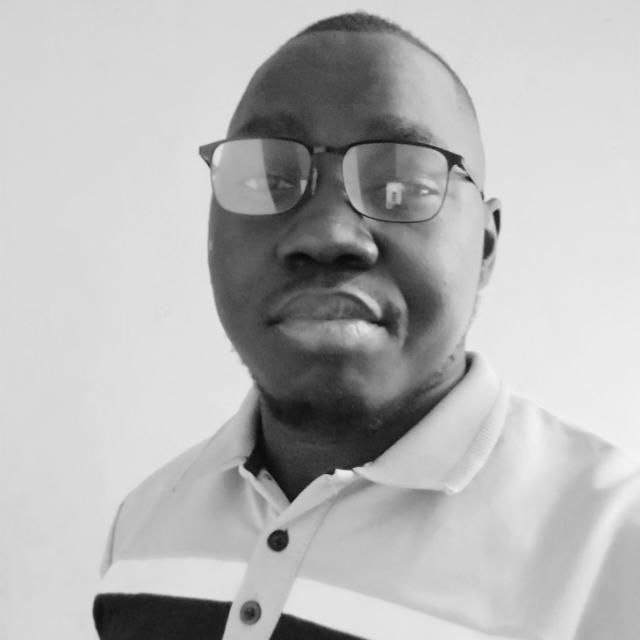
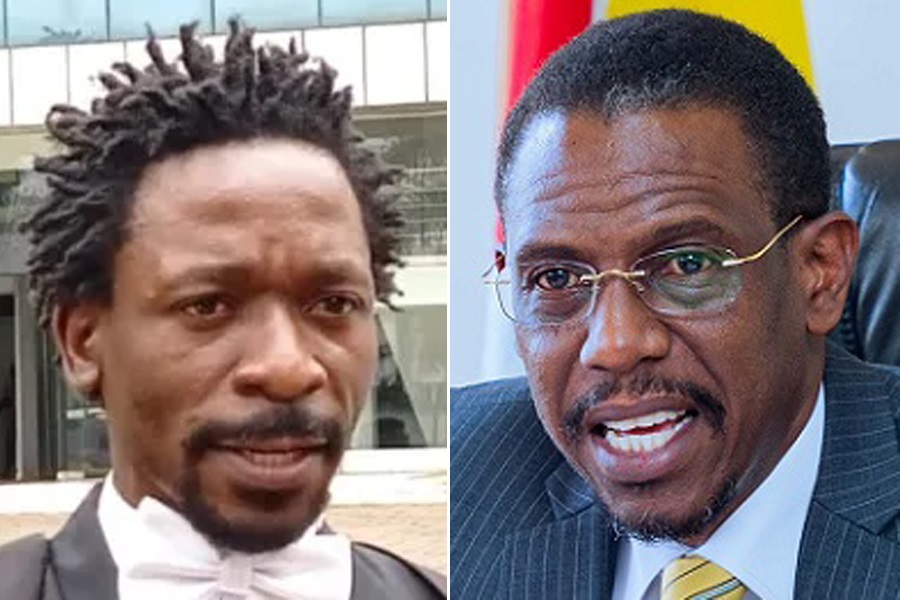
Kampala, Uganda: The refusal to grant a presidential pardon to exiled Uganda Law Society (ULS) president Isaac Ssemakadde was anchored on strict constitutional and procedural principles that bar executive interference in ongoing judicial proceedings, according to official government correspondence.
The Advisory Committee on the Prerogative of Mercy, led by the Attorney General, declined to advise the President to grant clemency to Ssemakadde, citing the prematurity of the petition, the existence of a pending appeal, and the fact that the applicant has not served any part of his sentence and remains outside the country.
The decision was communicated in a letter dated November 28, 2025, signed on behalf of the Solicitor General by John Bosco Rujagaata Suuza, Director of Legal and Advisory Services in the Attorney General’s Chambers.
“The Committee determined that, as the judicial process is still ongoing, the petition is premature. Non-interference with ongoing judicial proceedings is a core guiding principle of the Committee’s work,” the letter, which Ssemakadde, through his representatives, received on January 29, 2026, reads in part.
“The Committee was therefore unable to advise the President to grant a pardon,” it adds.
Why the Petition Failed on Legal Grounds
Under Uganda’s constitutional framework, the Prerogative of Mercy is exercised after the judicial process has been fully exhausted, typically following conviction, sentencing, and service of part of the sentence.
In Ssemakadde’s case, the Committee noted three fatal defects, which include: Him not having served the sentence arising from his conviction, he has a pending appeal, meaning the matter remains sub judice, and that he is outside Uganda, raising questions of jurisdiction and good faith.
These factors, taken together, meant that entertaining the petition would amount to executive interference in an active judicial process, something the Committee explicitly avoids.
The rejection of the pardon plea followed closely on the heels of a ruling by Ronald Kayizzi, the Buganda Road Chief Magistrate, who dismissed Ssemakadde’s application seeking to halt his criminal trial.
Kayizzi struck out both the original and amended applications, describing them as defective and an abuse of court process.
Ssemakadde had sought to stay the proceedings pending determination of a constitutional petition challenging the legality of the law under which he is charged with indecently insulting a woman. The court rejected that approach, clearing the way for the trial to proceed.
ULS Turmoil, Extended Leadership Dispute

Ssemakadde’s legal troubles have unfolded against a backdrop of prolonged governance disputes at the Uganda Law Society.
During his tenure as ULS president, Ssemakadde clashed openly with the legal establishment, most notably when he expelled the Attorney General and Solicitor General from the ULS Council, a move that drew sharp criticism from senior advocates and state legal officials, who described it as unlawful.
Although his official term expired last year, the ULS failed to convene a general assembly to elect new leadership, citing ongoing litigation and internal disputes. As a result, the outgoing leadership remained in place beyond its mandate, fuelling controversy over legitimacy, governance, and decision-making authority within the body.
The leadership vacuum and delayed transition have since become a central fault line in the ULS, compounding institutional instability at a time when its former president is entangled in criminal and constitutional litigation.
What the Pardon Rejection Signals
The Committee’s decision underscores a broader institutional position: presidential pardon is not a substitute for appeal, nor a shield against ongoing prosecution.
For Ssemakadde, the ruling signals that any relief must first come through the courts, not the executive, and only after the legal process has fully run its course.
If you would like your article/opinion to be published on Uganda’s most authoritative news platform, send your submission on: [email protected]. You can also follow DailyExpress on WhatsApp and on Twitter (X) for realtime updates.
