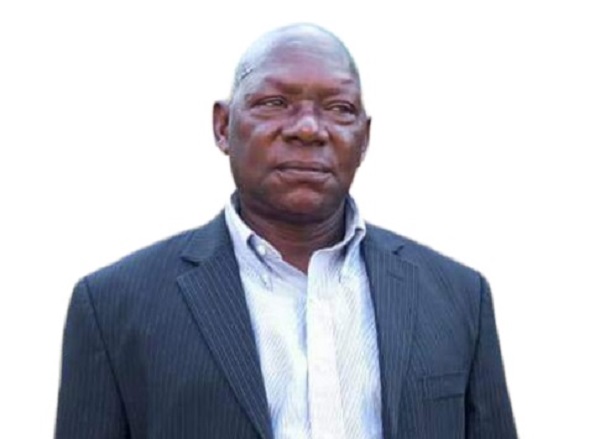
By Baluye Michael Waiswa
Uganda’s evolution toward middle-class status since 1986 can be attributed to a combination of economic, social, and political developments. Since President Yoweri Museveni came to power that year, the country has undergone significant shifts in economic policy, social indicators, and governance.
Uganda’s economy has grown from $3.9 billion (Shs 13.8 trillion) in 1986 to $61.3 billion (Shs 217 trillion) as of June 2025. This transformation did not occur by accident. It is the result of deliberate reforms and long-term strategic decisions.
Below are the major drivers of this progress.
1. Economic Development and Growth
Post-1986 Economic Reforms: When President Museveni assumed power, Uganda was emerging from years of civil war, political instability, and economic collapse. Infrastructure was destroyed, productivity was low, and poverty was widespread.
The new government introduced sweeping reforms, including economic liberalisation, deregulation of industries, and privatisation of state-owned enterprises. These policies opened Uganda to international trade and investment and laid the foundation for sustained growth.
Sustained Economic Growth: Throughout the 1990s and 2000s, Uganda recorded consistent economic growth, averaging about 7 per cent annually. This growth was driven by agriculture, especially coffee and tea exports, as well as infrastructure development and expansion in telecommunications, construction, and services.
The result was increased business activity, employment opportunities, and the gradual emergence of a middle class.
Inflation Control and Fiscal Stability: Sound fiscal and monetary policies introduced in the 1990s helped stabilise inflation and the exchange rate. Investor confidence improved, prices became more predictable, and Ugandans found it easier to save and invest—key ingredients for middle-class growth.
Natural Resources and Oil Discovery: The discovery of oil in the Albertine Basin in the early 2000s further strengthened Uganda’s growth prospects. While full production is still underway, oil has attracted foreign direct investment and raised expectations for expanded middle-class opportunities.
2. Improvements in Education and Health
Education: Education has been a cornerstone of Uganda’s transformation. The introduction of Universal Primary Education (UPE) in 1997 dramatically increased school enrolment and literacy rates.
A more educated population has strengthened the labour force and enhanced productivity, while investments in higher education and technical training have supported skills development critical to middle-class expansion.

Health: Government interventions in healthcare, particularly in combating HIV/AIDS, malaria, and tuberculosis, have reduced mortality rates and increased life expectancy. Improved health outcomes have reduced economic vulnerability and enabled more citizens to participate productively in the economy.
3. Urbanisation
Economic growth has driven migration from rural areas to urban centres such as Kampala. Cities offer greater access to jobs in services, manufacturing, and trade, accelerating the growth of an urban middle class and expanding consumption and entrepreneurship.
4. Infrastructure Development
Significant investments in roads, electricity, water supply, and telecommunications have reduced the cost of doing business and improved connectivity.
The expansion of mobile phone and internet access has transformed commerce, information flow, and financial inclusion, helping to build a digital economy that supports middle-class livelihoods.

5. Democratic and Governance Changes
Relative Political Stability: One of the most important enablers of Uganda’s progress has been relative political stability since 1986, particularly when compared to the eras of Idi Amin and Milton Obote.
Although concerns persist regarding human rights, press freedom, and political competition, sustained peace has allowed economic and social systems to function and grow.
Decentralisation: Decentralisation policies empowered local governments to manage development priorities, improving service delivery and ensuring that government programmes reached communities across the country.
Political and Electoral Reforms: Uganda has held regular elections since 1996. While electoral processes have faced criticism over transparency and opposition space, the continuity of governance and institutional experience has contributed to investor and citizen confidence.
6. Civil Society and Media Growth
Since 1986, civil society organisations and media institutions have expanded, advocating for accountability, social reform, and improved governance. This civic engagement has strengthened political awareness and participation, which are essential to a vibrant middle class.
Challenges and Ongoing Issues
Despite significant progress, Uganda continues to face challenges:
- Political tensions: Allegations of repression, limited political freedoms, and restricted opposition space risk undermining democratic gains.
- Youth unemployment: Many young people struggle to secure stable, well-paying jobs, threatening middle-class sustainability.
- Poverty and inequality: Although poverty has declined, a large segment of the population remains vulnerable, and economic inequality persists.
Conclusion
Uganda’s journey toward middle-class status since 1986 has been shaped by economic reform, social investment, and relative political stability. Reforms in education, health, infrastructure, and liberal economic policy have steadily moved the country toward greater prosperity.
To sustain and accelerate this progress, Uganda must confront challenges of political openness, employment creation, and equitable growth. Addressing these issues will determine whether the gains of the past four decades are deepened or reversed.
The writer is the Office of the National Chairman (ONC) Coordinator, Buyende District.
If you would like your article/opinion to be published on Uganda’s most authoritative news platform, send your submission on: [email protected]. You can also follow DailyExpress on WhatsApp and on Twitter (X) for realtime updates.