
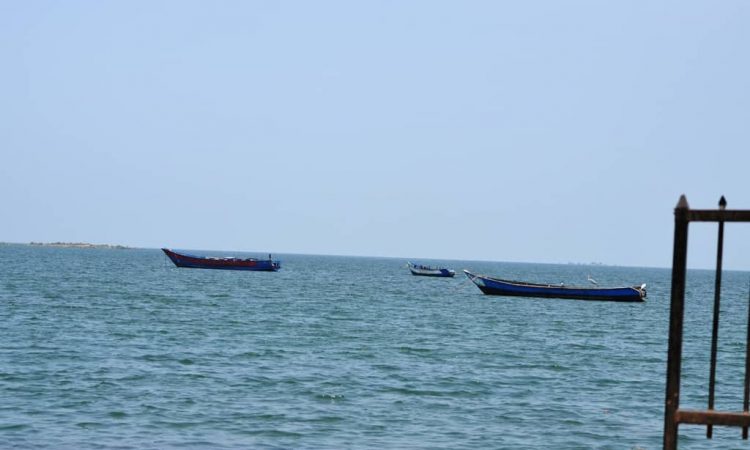
Kampala, Uganda: The Ministry of Water and Environment has attributed the persistent foul smell emanating from sections of Lake Victoria to severe algae blooms caused by pollution loading, rising temperatures and the ongoing degradation of wetlands around the lake.
In a detailed statement issued on Tuesday, February 3, 2026, the Ministry said the stench — most pronounced around Inner Murchison Bay in Luzira and parts of Entebbe — is the result of decomposing algae that release noxious gases into the air .
“When algae from the blooms die and decompose, they consume oxygen and release gases such as hydrogen sulphide and ammonia, which are a source of the smell and unpleasant odours,” the Ministry explained.
According to the Ministry, Lake Victoria and its basin support more than 45 million people, serving as a source of drinking water, transport, hydropower, fisheries and trade. However, heavily utilised bays — particularly Inner Murchison Bay, Kitubulu, Nakiwogo and Napoleon Gulf — are increasingly burdened by pollution from human waste, plastics, industrial effluent, agricultural runoff and untreated municipal wastewater .
The Ministry noted that degradation of wetlands that previously acted as natural filters has worsened the situation, allowing high nutrient loads — especially nitrogen and phosphorus — to flow directly into the lake.
“These nutrients are a critical requirement for algal growth, and hence the blooms observed in the bays,” the statement said, adding that the dry season and high temperatures experienced over the last month accelerated algal growth and decomposition, intensifying the smell.

Data from the Ministry’s Water Quality Monitoring Network, which includes 23 monitoring stations in Inner Murchison Bay and 10 in Entebbe Bay, shows a persistent rise in nutrient concentrations, confirming long-term deterioration of water quality in the affected zones .
Beyond the stench, the Ministry warned that decomposing algae reduce oxygen levels in the water, threatening aquatic life and increasing the risk of fish kills, while also releasing absorbed nutrients back into the lake — perpetuating a vicious cycle of pollution and algal growth.
To address the problem, the Ministry said several interventions are underway, including restoration of degraded wetlands, enforcement of a 200-metre buffer zone around the lake, intensified water quality monitoring, and stricter enforcement of effluent discharge permits for industries and municipal treatment plants .

Industries within the Lake Victoria catchment are also being mobilised to adopt cleaner production techniques that reduce wastewater at source and promote recycling and reuse.
However, the Ministry acknowledged that gaps remain, citing weak solid waste management, poor enforcement of environmental regulations by urban authorities, and continued non-compliance by some industries.
“Despite a number of efforts being taken, more still needs to be done and scaled up,” the statement said, calling for stronger inter-agency coordination, community involvement and enforcement to curb pollution inflows into the lake .
The Ministry stressed that protecting Lake Victoria requires collective responsibility, warning that without urgent action, pollution-driven algae blooms will remain a recurring problem with serious public health, environmental and economic consequences.
If you would like your article/opinion to be published on Uganda’s most authoritative news platform, send your submission on: [email protected]. You can also follow DailyExpress on WhatsApp and on Twitter (X) for realtime updates.