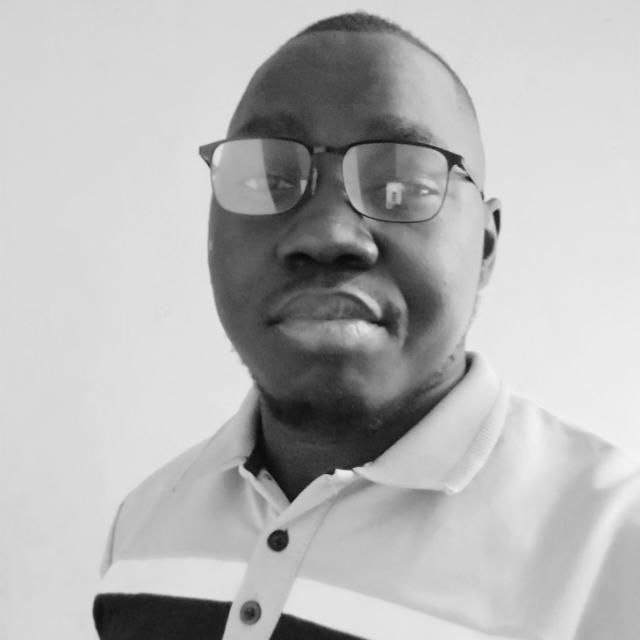
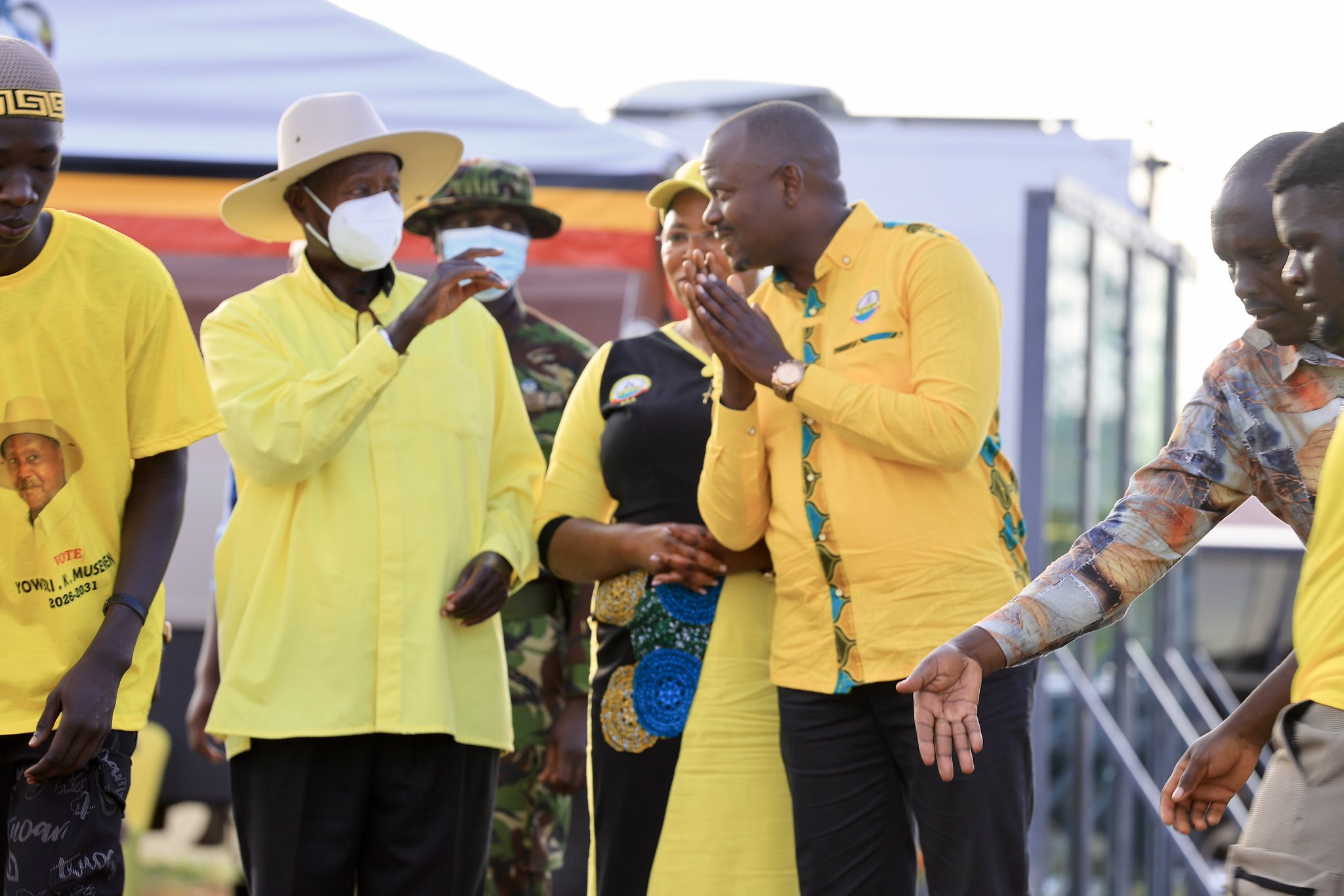
Kyotera, Uganda: The National Resistance Movement (NRM) Vice Chairperson for Buganda, Hon Haruna Kasolo Kyeyune, says the ruling party’s improved performance in the central region during the 2026 elections now justifies stronger representation of Buganda in government appointments and decision-making.
While speaking to supporters during a recent engagement with voters, Kasolo, who is also Minister for Microfinance and MP-elect for Kyotera county, said Buganda delivered significantly for President Yoweri Kaguta Museveni and the National Resistance Movement, reversing years of electoral resistance to the ruling party.
“Now that we have raised our Buganda to support NRM and which they have done so, they have given a reasonable number of Members of Parliament from Buganda,” Kasolo said, noting that the party secured close to 50 per cent of the vote in the region.
Buganda has historically been one of NRM’s most difficult political terrains, with opposition parties dominating presidential and parliamentary contests for more than two decades. However, the 2026 elections marked a noticeable shift, with Museveni cutting deep into opposition strongholds and the ruling party increasing its parliamentary footprint in central Uganda.
Political analysts attribute the turnaround to a mix of targeted campaign tactics, direct engagement with cultural and opinion leaders, calibrated messaging on economic empowerment, and Museveni’s emphasis on stability, infrastructure, and wealth creation during his Buganda tour.
But Kasolo said his role as NRM Vice Chairperson for Buganda did not end with mobilisation and votes. “My role has not ended. We have mobilised support for NRM. Now my other role is to talk to the President about the distribution – the share,” he said.
The Minister explained that while the President retains constitutional authority to appoint individuals to government positions, party leaders have a duty to remind him of the political support delivered on the ground.

“We must talk to him about our share. When it comes to government positions at all levels; ministers, parliamentary secretaries, commissions, boards, RDCs, the President can decide who goes where, but for me, just to remind him that yes sir, we did this and here we are,” Kasolo said.
He argued that stronger representation of Buganda in government would directly improve service delivery, citing the influence and networks that leaders bring back to their communities.

“The moment you have many people in government, service delivery becomes very easy. When you have RDCs and others, all these people have connections to where they come from,” he said.
Kasolo also urged residents of central Uganda to take advantage of the region’s strategic position, noting that Buganda hosts the country’s political, economic and administrative nerve centre.
“Government is in Buganda. All headquarters are here. All ministers live here. The biggest markets are here, factories are here,” he said, calling on residents to fully tap into the opportunities created by proximity to power.
The NRM’s improved showing in Buganda has become one of the defining features of Museveni’s 2026 re-election campaign, with party insiders describing it as the result of deliberate political recalibration rather than coincidence.
Within NRM circles, expectations are now rising that Cabinet reshuffles, board appointments and administrative postings will reflect the central region’s renewed electoral support, a test that could shape the party’s future relationship with Buganda.
If you would like your article/opinion to be published on Uganda’s most authoritative news platform, send your submission on: [email protected]. You can also follow DailyExpress on WhatsApp and on Twitter (X) for realtime updates.