
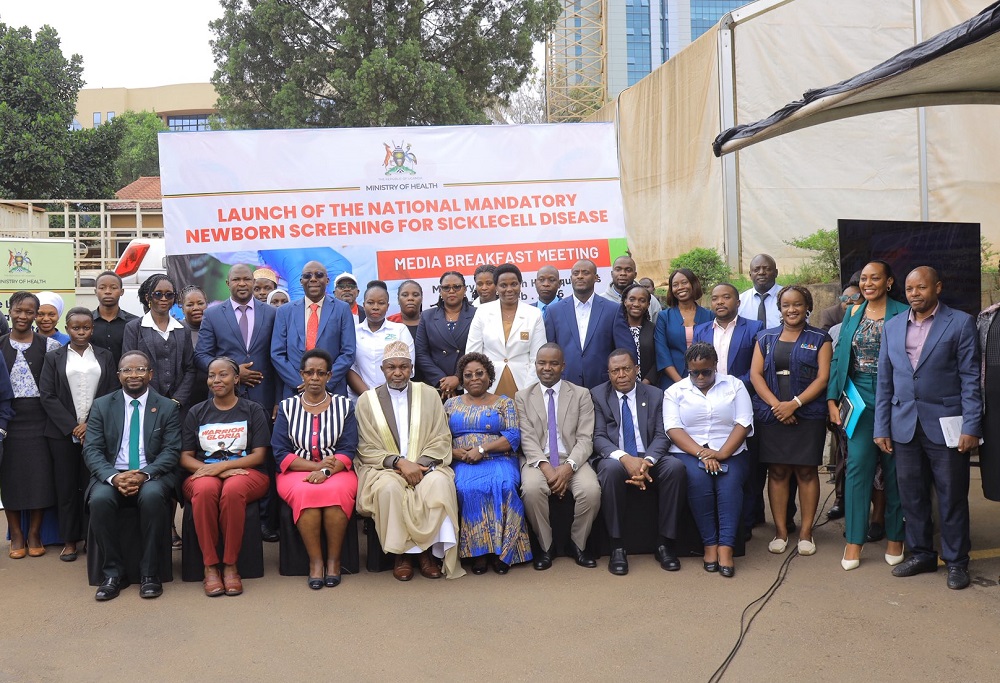
Kampala, Uganda: The Government of Uganda has rolled out mandatory sickle cell screening for all newborns, a landmark public health intervention aimed at cutting preventable child deaths and improving long-term outcomes for children born with sickle cell disease.
The policy, implemented by the Ministry of Health, Uganda, requires that every baby born in a health facility be tested for sickle cell disease immediately after birth, before discharge, making Uganda one of the few African countries to adopt universal newborn screening for the genetic condition.
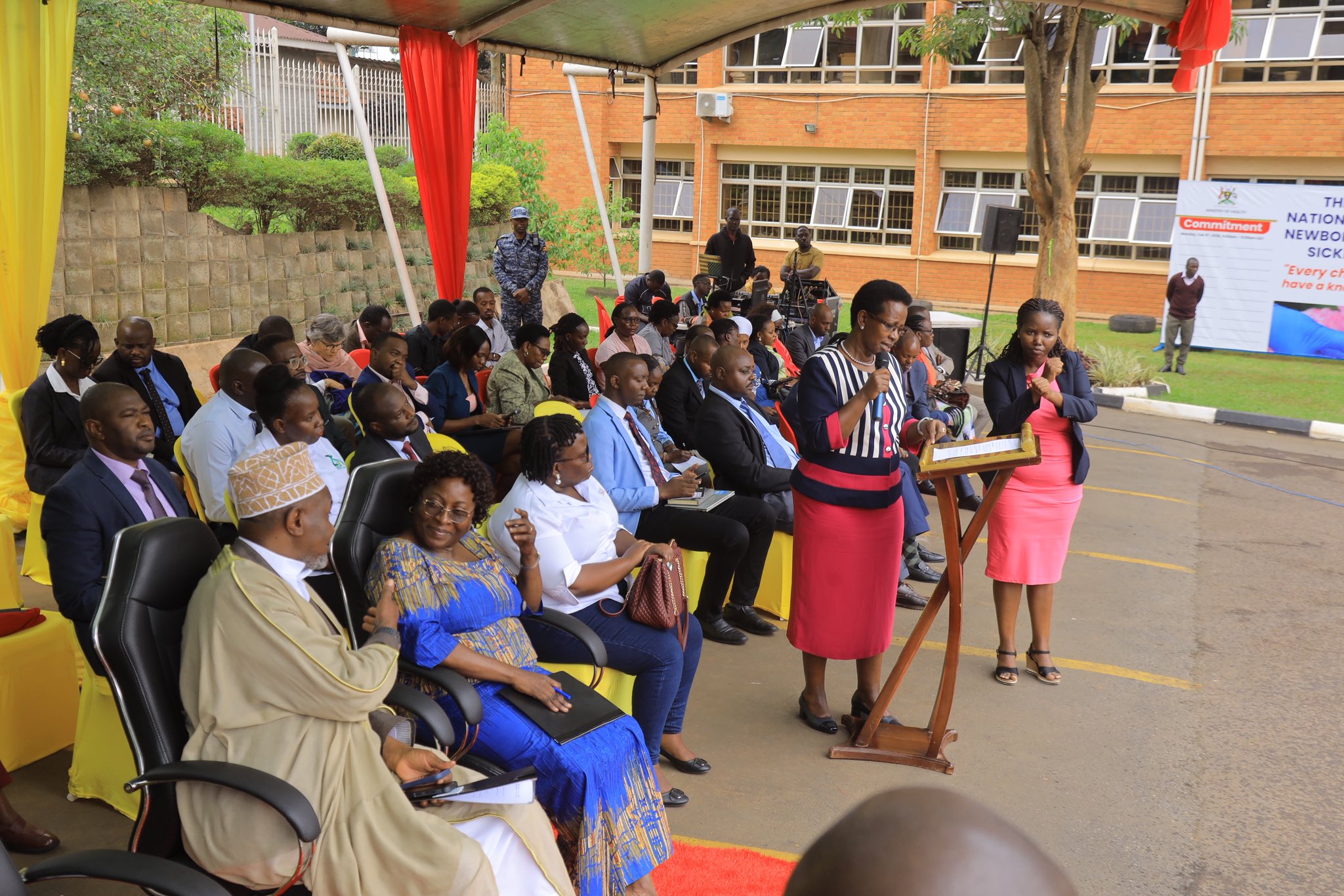
Launching the programme on Monday, Health Ministry Permanent Secretary Diana Atwine said early detection is critical in preventing complications associated with sickle cell disease, including severe infections, anaemia, stroke and early childhood death.
“Every child in Uganda must have a known sickle cell status,” Atwine said, noting that early diagnosis allows health workers to link affected infants to care long before symptoms appear.
Why the Screening Matters
Sickle cell disease is one of Uganda’s leading inherited blood disorders. Health ministry data estimates that about 20,000 babies are born with sickle cell disease every year, many of whom die before their fifth birthday if the condition is not detected and managed early.

Under the new policy, newborns who test positive will immediately be enrolled into specialised care, including penicillin prophylaxis, routine immunisation, parental counselling and long-term follow-up, significantly improving survival chances.
The ministry has deployed rapid diagnostic tests to public health facilities nationwide to ensure quick and cost-effective screening at birth.
Beyond screening, the government has expanded sickle cell clinics across the country, equipped health workers with updated clinical guidelines, and ensured that essential medicines such as hydroxyurea are available at public facilities.

Health experts say children living with sickle cell disease consume a disproportionate share of blood transfusions and paediatric admissions, making early diagnosis both a health and cost-saving intervention.
Health experts have also renewed calls for premarital and preconception sickle cell testing, arguing that awareness of sickle cell status among couples can reduce future disease burden through informed family planning.
Community leaders, religious institutions and development partners have pledged to support public awareness campaigns to reduce stigma and encourage follow-up care for affected families.
The mandatory screening marks a significant shift in Uganda’s child health strategy as the country works to lower under-five mortality and improve early childhood survival.
If you would like your article/opinion to be published on Uganda’s most authoritative news platform, send your submission on: [email protected]. You can also follow DailyExpress on WhatsApp and on Twitter (X) for realtime updates.