
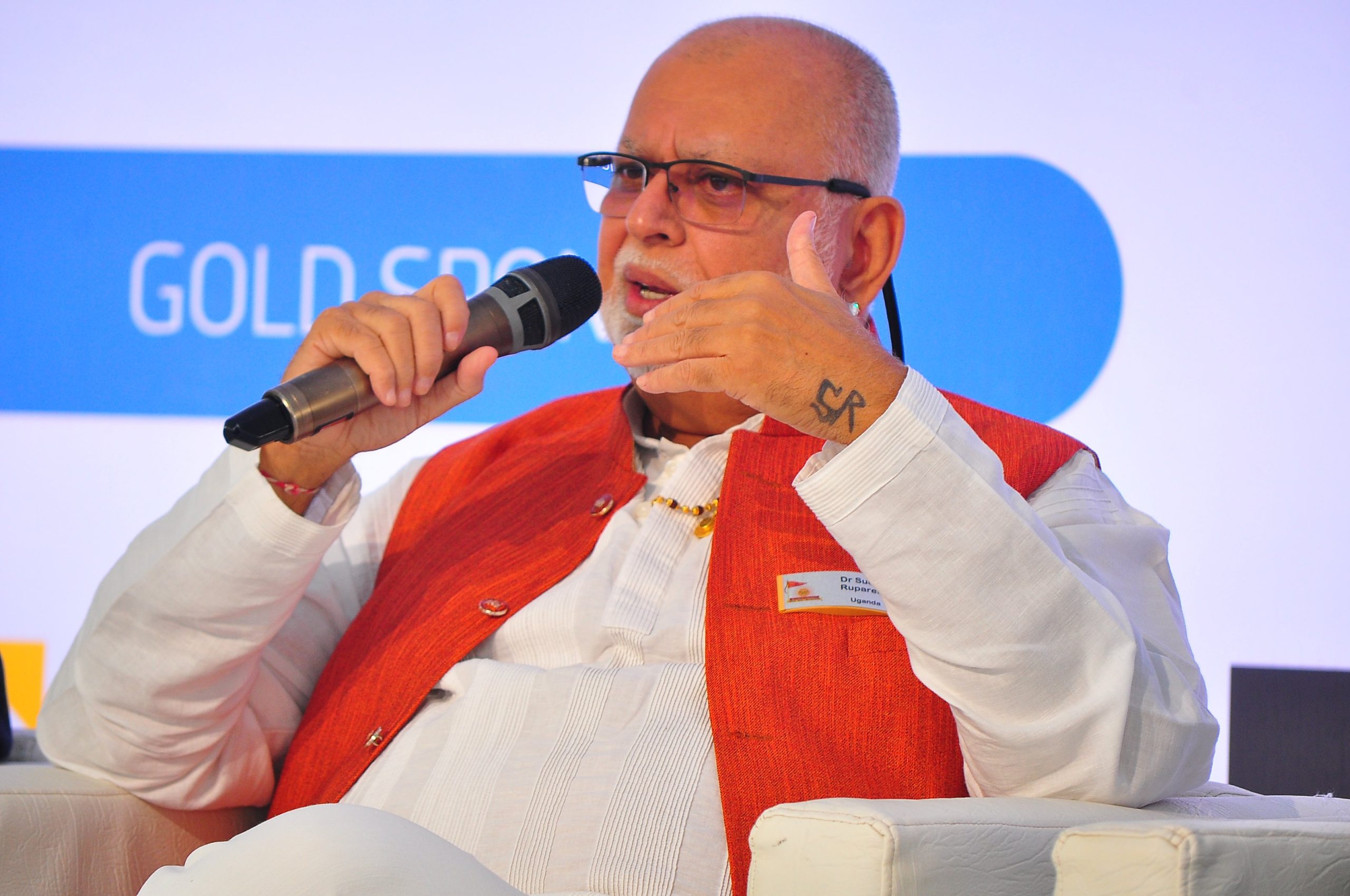
Kampala, Uganda: In an era where Uganda’s business elites compete for airtime, dominate talk shows and weaponise social media to shape public narratives, billionaire Sudhir Ruparelia has chosen a radically different path; strategic silence.
Unlike many high-profile executives, Ruparelia has no verified personal social media accounts and has repeatedly distanced himself from X (formerly Twitter) pages bearing his name. On several occasions, he has warned the public about impersonators, insisting that he does not comment on business or public affairs through social media.
In a digital age obsessed with visibility, that absence is deliberate.
Ruparelia rarely grants interviews and steers clear of political commentary. Even during moments of intense national scrutiny, most notably the 2016 takeover of Crane Bank, once the crown jewel of his financial empire, he largely avoided public confrontation, choosing courtrooms over cameras and financial restructuring over media battles.
Yet, paradoxically, his silence has only magnified his influence.
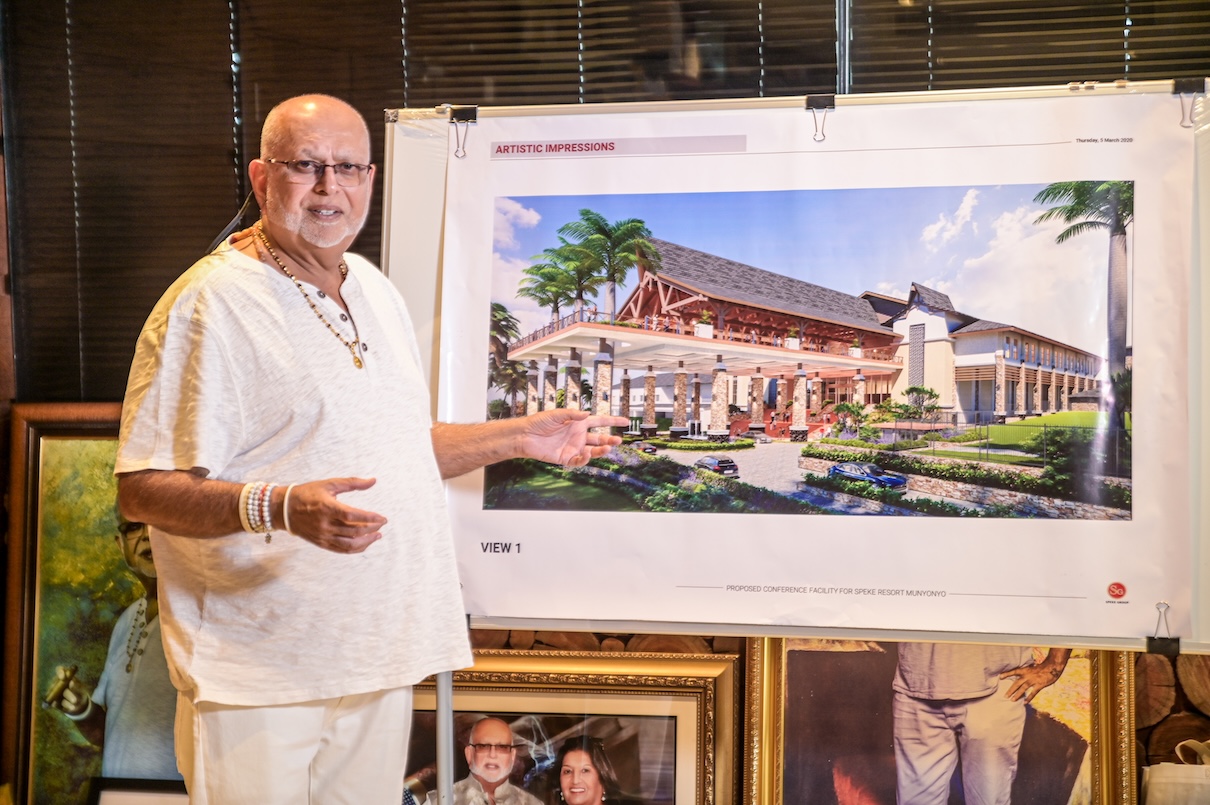
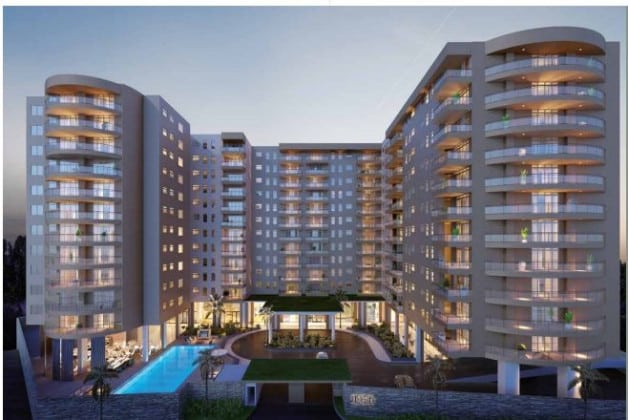
Today, Ruparelia remains one of Uganda’s wealthiest and most powerful businessmen, controlling a vast portfolio spanning real estate, hospitality, education, insurance, agribusiness and manufacturing. His properties dominate Kampala’s skyline, from luxury hotels and office towers to malls and high-end residential developments. His name is everywhere. His voice is almost nowhere.
For analysts and competitors alike, this is not coincidence. It is strategy.
Silence as Power
In Uganda’s highly politicised business environment, visibility can be both asset and liability. Public statements are easily weaponised, tweets are permanent, and casual remarks can trigger regulatory scrutiny or political backlash.
By staying quiet, Ruparelia denies adversaries ammunition. “He doesn’t need to win arguments in public,” says a Kampala-based business analyst familiar with major private-sector players. “He wins them through assets, contracts and time.”
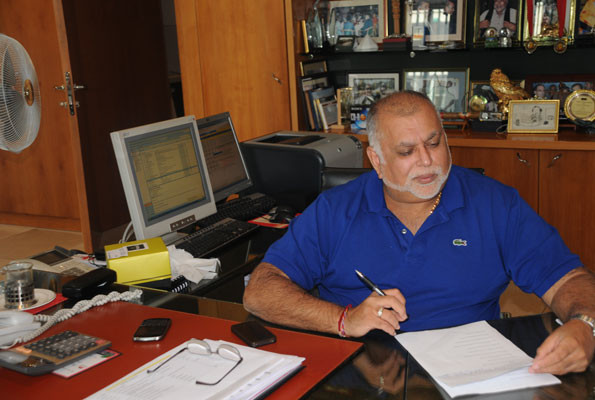
While younger tycoons chase relevance through personal branding and online clout, Ruparelia plays the long game. His businesses are structured for steady cash flow, not headlines. His preference for land, buildings and long-term leases reflects a philosophy rooted in patience rather than publicity.
In a volatile policy environment, restraint has become leverage.
A Loud Presence, A Quiet Man

Despite his public silence, Ruparelia and his companies remain constant fixtures in Uganda’s media and business discourse. His name surfaces in property debates, education-sector discussions, hospitality rankings and investment analyses. Entire news cycles are driven by developments linked to his companies, even when he personally says nothing.
That paradox is central to his power.
Those who work closely with him describe a businessman who is approachable, pragmatic and generous, but who prefers private engagement over public performance. Senior politicians, financiers and long-time associates speak of a man who listens more than he speaks, makes decisions quietly and values discretion over drama.

This is not withdrawal. It is selective engagement.
While his public silence is consistent, his private presence is constant. He maintains close working relationships with political and regulatory stakeholders and shows up where decisions are made—just not where attention is harvested.
Protection in a Volatile System
Silence has also served as insulation. The collapse of Crane Bank marked one of the most turbulent episodes in Uganda’s financial history. Many expected Ruparelia to wage a public defence or media counteroffensive. Instead, he retreated from the spotlight, pursued legal remedies and quietly reorganised his business interests.
Years later, while legal and political debates around the bank continue to echo, his broader empire remains intact, and in several sectors, stronger. Hotels expanded, properties multiplied, schools enrolled thousands, and operations continued uninterrupted.
In Uganda’s unpredictable state–business relationship, discretion often equals survival.
Brand Without Branding
Ironically, Ruparelia’s silence has become part of his brand.
To the public, he is mysterious. To tenants and partners, dependable. To regulators, cautious. To competitors, unreadable.
Unlike flamboyant moguls whose personal opinions spill into their companies, he has successfully separated the man from the machine. His firms speak through completed buildings, paid salaries and operational stability—not press conferences or trending hashtags.
If you would like your article/opinion to be published on Uganda’s most authoritative news platform, send your submission on: [email protected]. You can also follow DailyExpress on WhatsApp and on Twitter (X) for realtime updates.