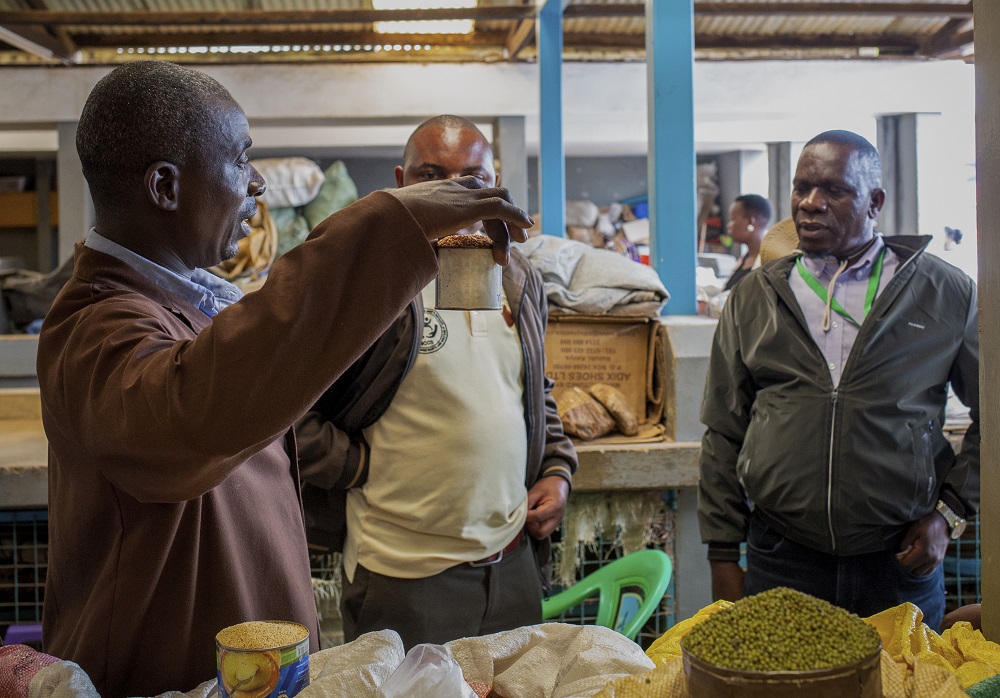
Busia, Uganda: Stakeholders across the East African Community (EAC) are calling for urgent investment in value addition as the most viable pathway to unlock agroecological trade, amid mounting regulatory bottlenecks and rising non-tariff barriers that continue to stifle cross-border commerce.
Despite growing regional demand for food produced without synthetic chemicals, agroecological traders face fragmented sanitary and phytosanitary (SPS) regulations, inconsistent documentation requirements, and unpredictable border inspections across Partner States.
Across East Africa, consumer demand for agroecological products—cultivated in ways that protect soil health, biodiversity and indigenous knowledge—is steadily rising. Heightened health awareness and farmer-led advocacy for sustainable production have increased market appetite for chemical-free food.
However, under the EAC Treaty and Customs Union Protocol, commitments to harmonize SPS measures and technical regulations remain unevenly implemented. In practice, traders report that consignments cleared in one country may face delays or rejection in another due to divergent phytosanitary thresholds and inconsistent enforcement.
The problem is compounded by escalating non-tariff barriers (NTBs). According to a June 2025 EAC Sectoral Council of Ministers report, NTBs increased from 10 in November 2024 to 48 by May 2025. These include discriminatory levies, procedural delays and regulatory inconsistencies that disproportionately affect smallholder agroecological traders.
While over 15 One-Stop Border Posts (OSBPs) have reduced crossing times by nearly 70 percent and saved the region more than $63 million annually, experts say these gains are undermined by patchy implementation of the Simplified Trade Regime (STR) and limited awareness among grassroots traders.
Trade experts argue that East Africa must move beyond trading similar unprocessed commodities and instead build complementary agro-industrial value chains.
Aiman Ahmed Omar, Digital Trade Specialist at the Trade Policy Training Centre in Africa (TRAPCA), says value addition offers a practical solution to recurring trade friction.
“We are not going to eliminate Non-Tariff Barriers because we are producing similar products. Instead, we must look at the bigger picture and focus on creating opportunities for value addition,” she noted.

According to her, when countries trade raw and similar produce, competition intensifies and regulatory friction becomes inevitable. However, specialization in processing, branding, packaging and certification creates complementary supply chains rather than direct competition.
Benefits Beyond Trade
Value addition extends shelf life, improves quality assurance, enhances compliance with SPS standards and enables access to premium regional and international markets. Crucially, it allows smallholder farmers to capture a larger share of the value chain, reducing exposure to post-harvest losses and price volatility.

Naume Kalinaki, Programmes Officer for Enterprise and Livelihoods Development at ESAFF Uganda, says processing and certification strengthen farmers’ bargaining power.
“Through processing, packaging, grading and certification, farmers and traders can reduce post-harvest losses and meet the demands of regional markets. This strengthens their bargaining power and reduces risks associated with trading raw produce,” she explained.
However, traders cite persistent knowledge gaps in value addition techniques, limited storage infrastructure and weak access to formal trade support systems. Zira Babu, Youth Representative of the Busia Women Cross-Border Cooperative, says many small-scale traders are unaware of Trade Information Desk Officers (TIDOs) and their rights under regional trade frameworks.
“Most traders lack knowledge about value addition, their rights and trade procedures, which exposes them to non-tariff barriers and potential exploitation,” she said, adding that even some border agencies struggle to interpret trade policies consistently.
Experts say that processed and well-packaged agroecological goods are less vulnerable to spoilage during border delays, more compliant with harmonized standards and better positioned for premium markets.
Beyond trade facilitation, value addition stimulates agro-processing industries, creates employment opportunities and deepens regional supply chains, reducing dependence on primary commodity exports.
If backed by harmonized standards, consistent STR implementation, improved laboratory systems and targeted investment in processing infrastructure, analysts argue that agroecological trade could transition from a vulnerable informal activity into a resilient driver of sustainable growth, food security and climate resilience within the EAC.
If you would like your article/opinion to be published on Uganda’s most authoritative news platform, send your submission on: [email protected]. You can also follow DailyExpress on WhatsApp and on Twitter (X) for realtime updates.