By Agaba Katureebe
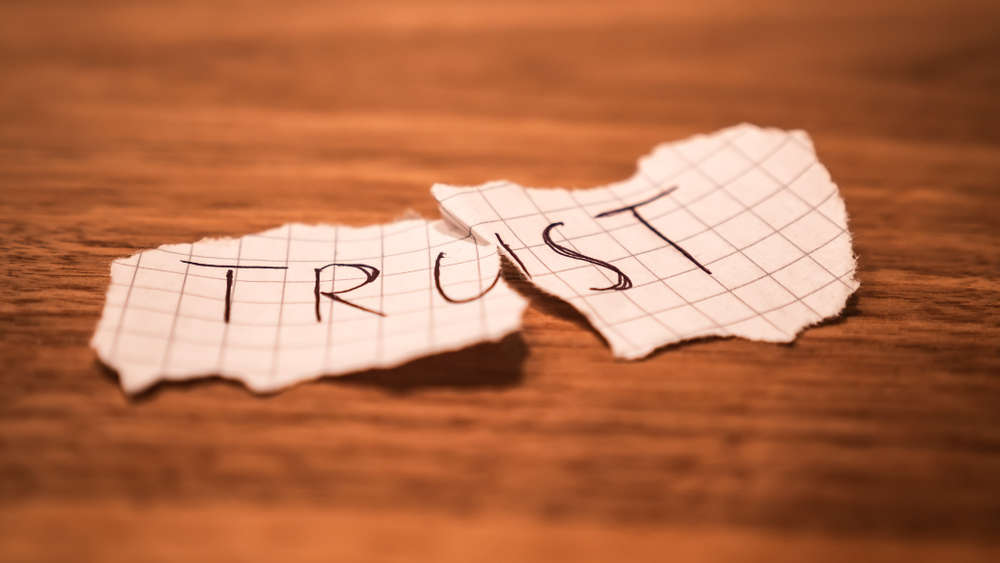
There is a quiet crisis unfolding among us, one that rarely dominates headlines yet quietly shapes the destiny of families, workplaces, and institutions. It is not a crisis of roads, buildings, or natural resources. It is a crisis of trust.
Across our communities, a painful pattern has emerged. Increasingly, the deepest wounds we carry do not come from strangers but from those we once embraced with confidence. The friend we trusted becomes the source of distress. The person we confided in becomes the one who exposes our secrets. The helping hand becomes the hand that harms.
What was once shocking is slowly becoming ordinary. Betrayal no longer startles; it is shrugged off. Promises are made lightly and broken just as easily. Commitments dissolve into silence. A person who deceives and profits may even be admired — praised as “Mugezi” — as though cleverness without integrity were wisdom. Words that once carried weight now feel negotiable, disposable, conditional.
We hear familiar assurances spoken casually: “Nzija Nzuno!” — “I am coming, I am near.” Yet we wait endlessly. Meetings are agreed upon, then forgotten as if they never existed. Money is sent in trust, only to be followed by switched-off phones and unexplained disappearances. These are not minor inconveniences. They are symptoms of something deeper: the steady erosion of the social fabric that holds us together.
Trust is the invisible glue of society. It allows families to function, businesses to grow, partnerships to thrive, and communities to cooperate. When trust weakens, everything becomes heavier. Every agreement demands paperwork. Every promise invites suspicion. Every transaction requires proof. Every interaction carries a silent question: Will this person keep their word?
Even our public life mirrors this fracture. In elections, voters hesitate to believe candidates. Candidates hesitate to trust voters. Conviction is replaced by transaction. Suspicion answers suspicion. Distrust feeds distrust. A society cannot build unity on such ground. Togetherness without trust is performance. Harmony without honesty is illusion.

Yet we must confront a difficult truth: societal decay does not begin in institutions alone. It begins quietly, in everyday choices. In the small lie we excuse. In the promise we break without apology. In the responsibility we neglect. Each unkept word plants another seed of distrust. Each act of dishonesty, however minor it seems, chips away at the moral foundation we all depend on.
Before we accuse leaders, neighbors, or systems, we must ask ourselves — not defensively, but honestly: Am I contributing to this culture, or resisting it?
Rebuilding trust is not the work of speeches alone. It is not solved by policy documents or national dialogues. It is rebuilt by individuals who decide that their word will mean something again. Individuals who honor commitments even when inconvenient. Individuals who communicate truthfully even when uncomfortable. Individuals who protect entrusted responsibilities even when no one is watching.

Integrity is not weakness. Reliability is not foolishness. Honesty is not naivety. These are strengths — quiet but powerful strengths — that make cooperation possible and progress sustainable. When we teach our children that success through deception is failure, and that character is a form of wealth, we begin to repair the future.
If betrayal continues to be normalized, if deception becomes our common language and broken promises our habit, unity will weaken further. Collaboration will shrink. Development will struggle against invisible resistance. But if honesty returns to our conversations, if commitment returns to our agreements, if trust returns to our relationships, healing becomes possible.
The rebuilding of society does not begin with grand gestures. It begins quietly — in the simple decision to be trustworthy. In choosing to keep our word. In honoring appointments. In returning what is not ours. In resisting the temptation to benefit at another’s expense.
A fractured moral compass can still be repaired. But only if we decide that trust is worth restoring, integrity worth defending, and a word once given worth honoring.
The crisis of trust may be quiet, but so too is the power to rebuild it.
If you would like your article/opinion to be published on Uganda’s most authoritative news platform, send your submission on: [email protected]. You can also follow DailyExpress on WhatsApp and on Twitter (X) for realtime updates.